


OxyContin Manufacturer to Be Dissolved After Legal Settlement
Purdue Pharma, the maker of OxyContin, is on track to be dissolved by the end of the week, transitioning into a new entity focused on public health as part of a settlement aimed at resolving numerous lawsuits related to the opioid crisis. A federal judge approved a final criminal sentence on Tuesday, which was the last step needed to facilitate the agreement, following extensive testimonies from individuals affected by opioid addiction and related deaths.
U.S. District Judge Madeline Cox Arleo expressed empathy towards victims, acknowledging the epidemic’s toll of over 900,000 deaths since 1999. The judge criticized Purdue’s actions, describing them as part of a "purposeful, intentional, and sophisticated crime scheme." Purdue’s legal challenges culminated in a plea agreement with the Justice Department in 2020, allowing the company to admit its failures in overseeing its opioid distribution, which included fraudulent practices involving doctors and prescription incentives.
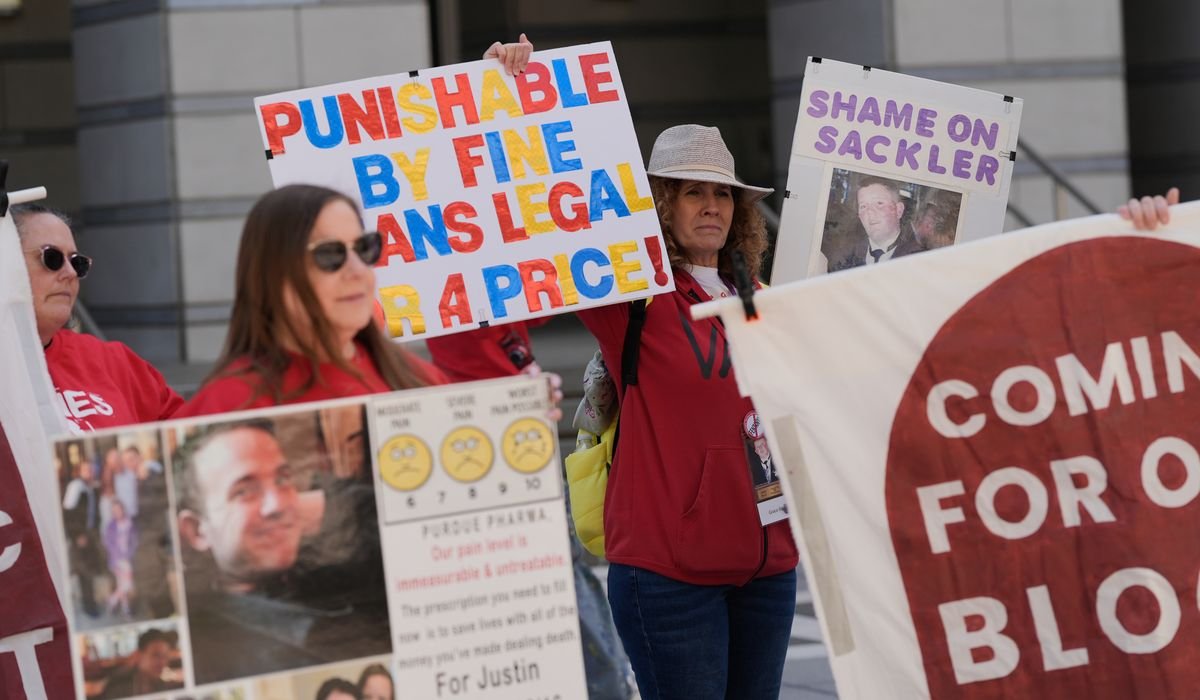
The settlement entails approximately $8.3 billion in financial penalties, although only $225 million will be collected immediately; the rest is tied to an agreement for Purdue to resolve numerous lawsuits from state, local, and tribal governments. Notably, no individuals associated with the company will face personal penalties, which has spurred discontent among victims seeking justice.
As part of this settlement, members of the Sackler family, who own Purdue, are expected to contribute up to $7 billion over 15 years to combat the opioid crisis and provide funds for affected government entities. The company will be replaced by Knoa Pharma, aimed at addressing public health concerns related to opioid misuse.
Key Points:
- Why this story matters: The case signifies a pivotal moment in addressing the opioid crisis and accountability for pharmaceutical companies.
- Key takeaway: Purdue Pharma’s dissolution and the new company’s establishment reflect efforts to correct past wrongs in the opioid epidemic.
- Opposing viewpoint: Many victims and families feel the settlement does not provide sufficient justice, emphasizing the lack of individual accountability for those responsible.