



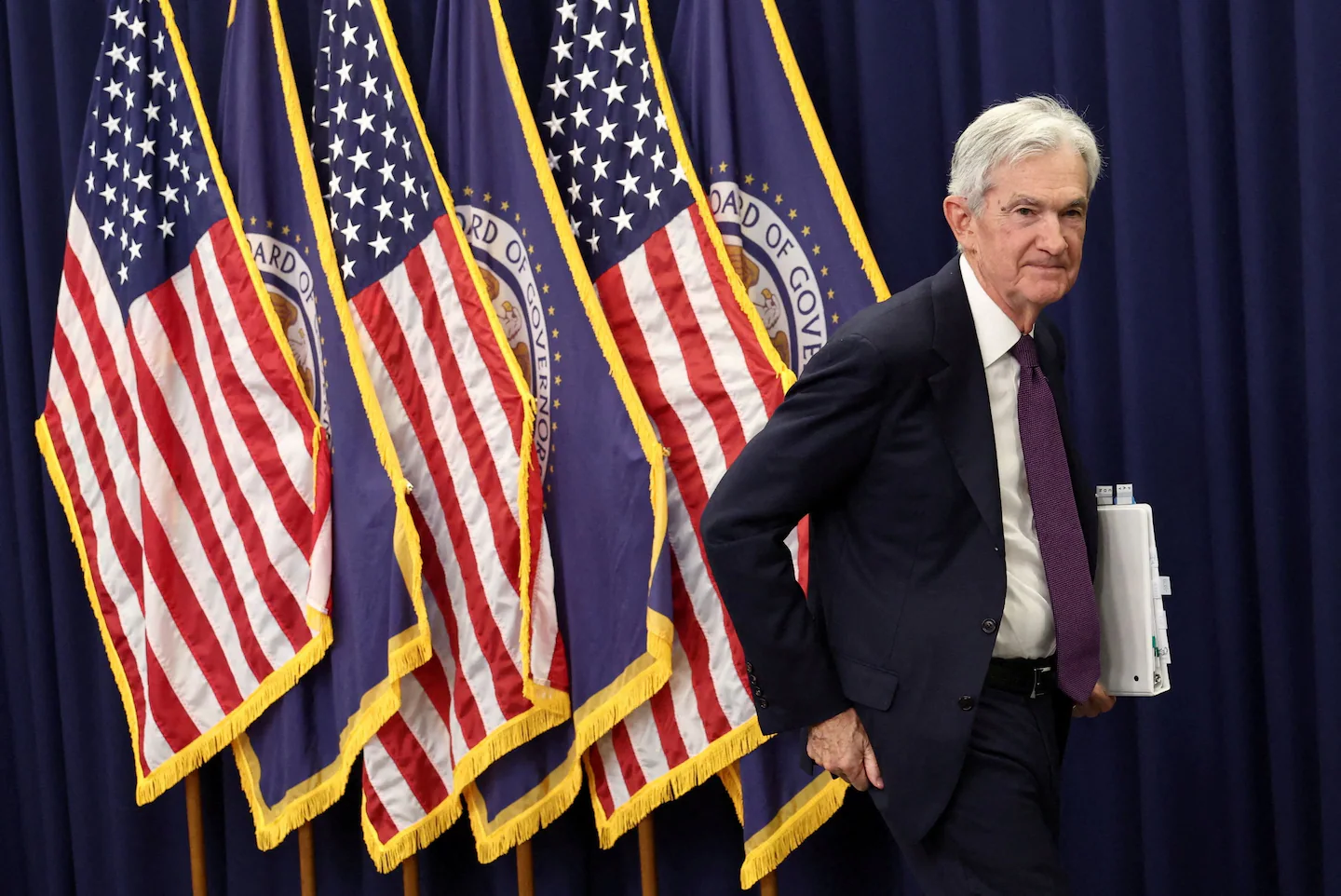
Jerome Powell, the outgoing chair of the Federal Reserve, has announced his decision to remain in his position as a governor. He cited extensive legal pressures as the primary reason for this choice, stating that he felt he had "no choice" in the matter. By remaining in his role, Powell’s actions are seen as a significant setback for the White House, as it loses the ability to appoint a new board member to the Federal Reserve.
Powell’s tenure has been marked by various challenges, and his continued presence on the board adds complexity to the dynamics between the Federal Reserve and the executive branch. With the Federal Reserve’s crucial role in monetary policy and economic stability, the implications of such a decision are noteworthy for both institutions and the larger economy.
This development follows a period of heightened scrutiny and legal challenges that Powell has faced, which have influenced his decision-making regarding his position within the Federal Reserve.
Why this story matters:
- The Federal Reserve’s leadership changes can significantly influence economic policy and market stability.
Key takeaway:
- Jerome Powell will continue his role as a governor, impacting the Board’s composition and the White House’s influence.
Opposing viewpoint:
- Some argue that Powell’s decision undermines the current administration’s ability to shape economic policy through new appointments.