


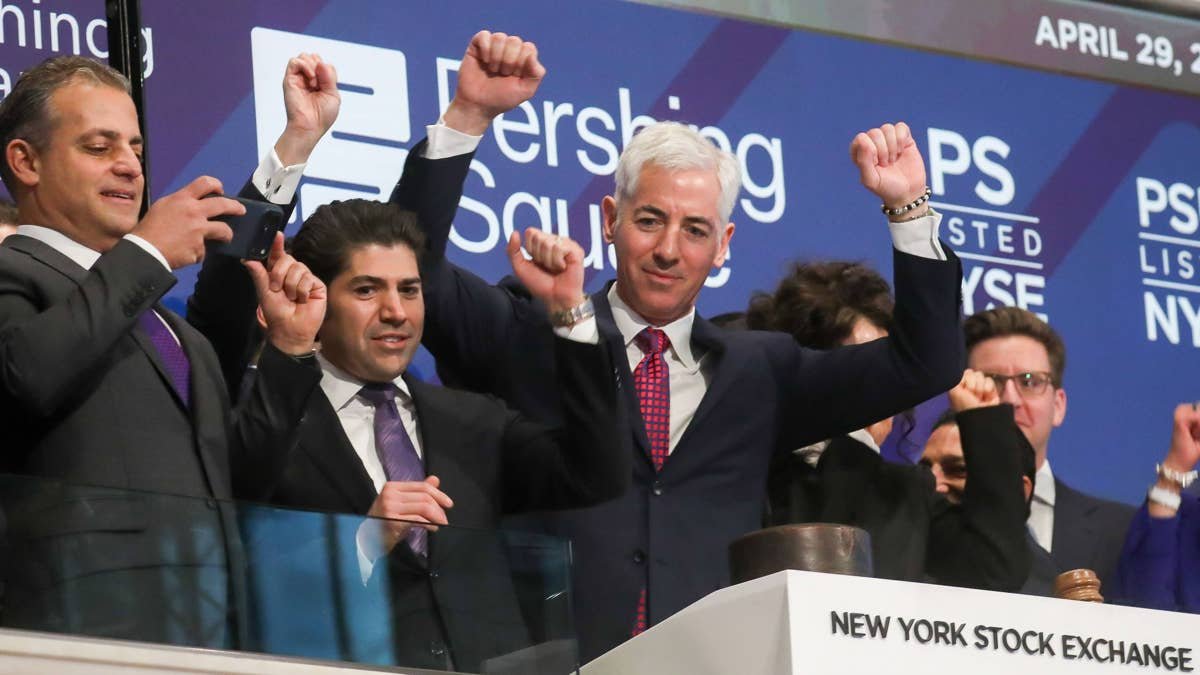
Bill Ackman successfully launched his new closed-end fund, Pershing Square USA (PSUS), on the New York Stock Exchange, raising $5 billion through its initial public offering (IPO). However, the market’s response was underwhelming, with PSUS debuting at $42—below its $50 IPO price—and concluding its first day at $40.90, reflecting an approximate 18% decline.
Ackman had structured the offering with an incentive for investors: those who purchased five shares of PSUS would receive one bonus share of Pershing Square Inc., the management company behind the fund. Despite this attempt to boost appeal, early buyers still found themselves at a loss. The dismal debut raises significant questions about investor sentiment towards high-fee closed-end funds, especially given Ackman’s previous IPO attempt in 2024, which he scrapped due to weak demand.
The trading of PSUS highlighted a persistent issue within the closed-end fund sector, where shares often trade below their net asset value (NAV). Notably, Pershing Square’s previous European fund trades at a substantial discount, which may have dissuaded investors from embracing the new offering fully. Moreover, the 2% annual management fee associated with PSUS has prompted concerns about its long-term viability.
Moving forward, Pershing Square USA faces the challenge of demonstrating that it can outperform typical closed-end funds. The fund intends to focus on large-cap equities and must build investor trust through solid performance, transparency, and the justification of its fee structure.
Why this story matters
Key takeaway
Opposing viewpoint