
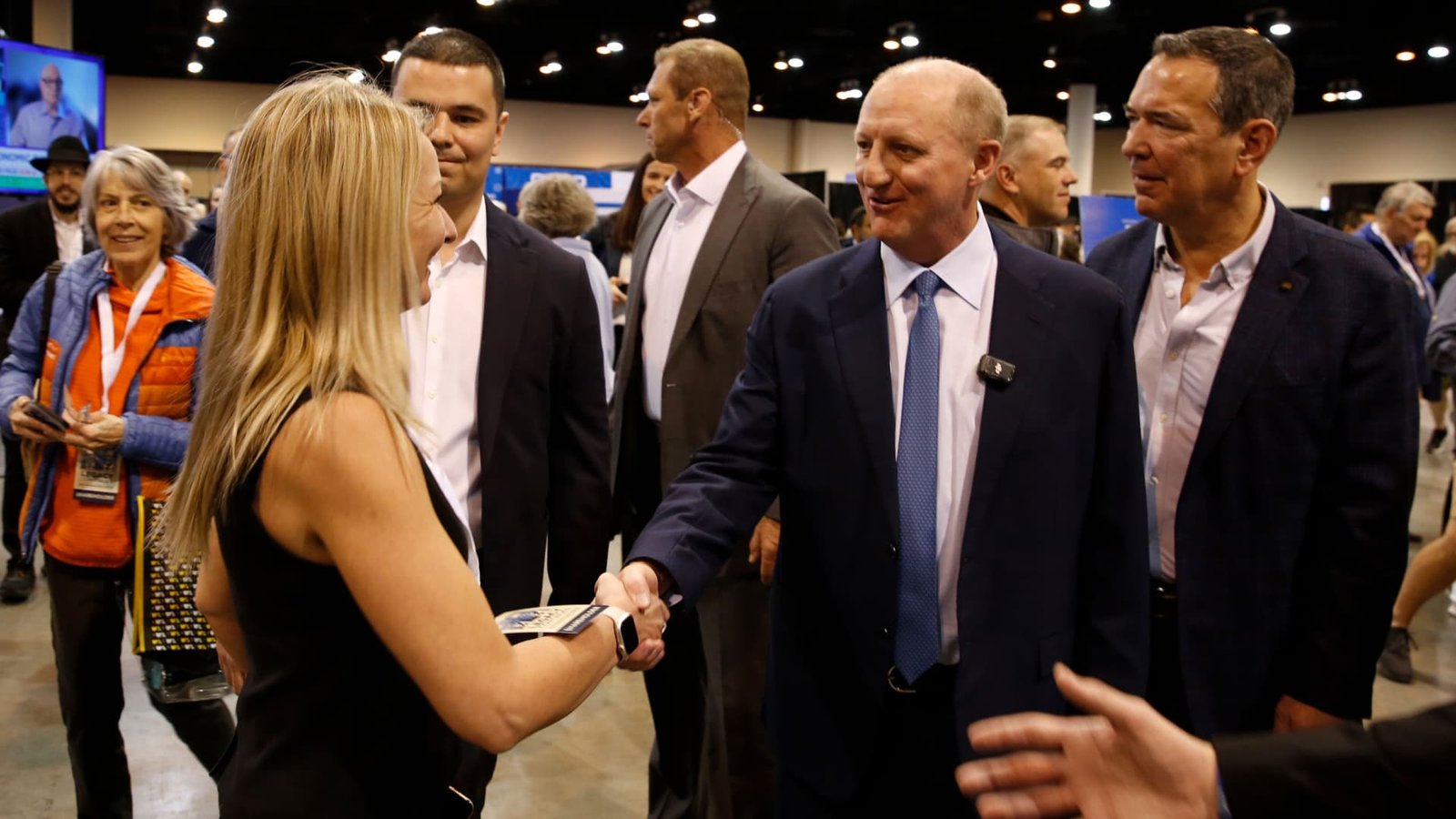
The Berkshire Hathaway Annual Shareholders Meeting in Omaha, Nebraska, generated a mix of cautious optimism and skepticism among attendees as they adapted to the leadership of new CEO Greg Abel. Many shareholders recognized the substantial legacy of Warren Buffett and Charlie Munger, known for their engaging storytelling and charisma, and debated whether Abel could fulfill those expectations.
Investors like Robert Hagstrom, chief investment officer at EquityCompass Investment Management, expressed confidence in Abel’s capabilities, noting that Buffett’s long-term endorsement reflects careful consideration of Abel’s potential. Hagstrom highlighted Abel’s operational expertise as a vital asset for the conglomerate’s future success.
First-time attendee Peter Yang, who traveled from Hong Kong, also shared his reassurance, citing Buffett’s trust in Abel as a key factor. Despite a noted shift in the atmosphere, some investors, including Kim Shannon of Sionna Investment Managers, are optimistic that Berkshire’s fundamental principles will remain intact, although they recognize Abel’s different approach to leadership compared to Buffett.
Yet, not all shareholders were eager to attend this year’s meeting in person. Some, like Wanda Lee and Susan Chan, chose to stream the event, reflecting a transitional sentiment as they processed the leadership change while maintaining faith in Abel’s potential. As concerns about economic factors such as inflation loom, shareholders hope that Abel will address these challenges as he steps into his new role.
Overall, the 2026 meeting marks a significant transitional phase for Berkshire Hathaway as it embarks on a new era under Abel’s leadership.
Why this story matters:
- The transition in leadership at Berkshire Hathaway underlines the challenges of maintaining legacy in corporate governance.
Key takeaway:
- While there is skepticism about Greg Abel’s ability to engage as his predecessors did, investor confidence largely stems from Warren Buffett’s endorsement.
Opposing viewpoint:
- Some shareholders feel uncertain about the future direction of the company due to economic pressures and the inherent contrast in leadership styles between Abel and Buffett.