



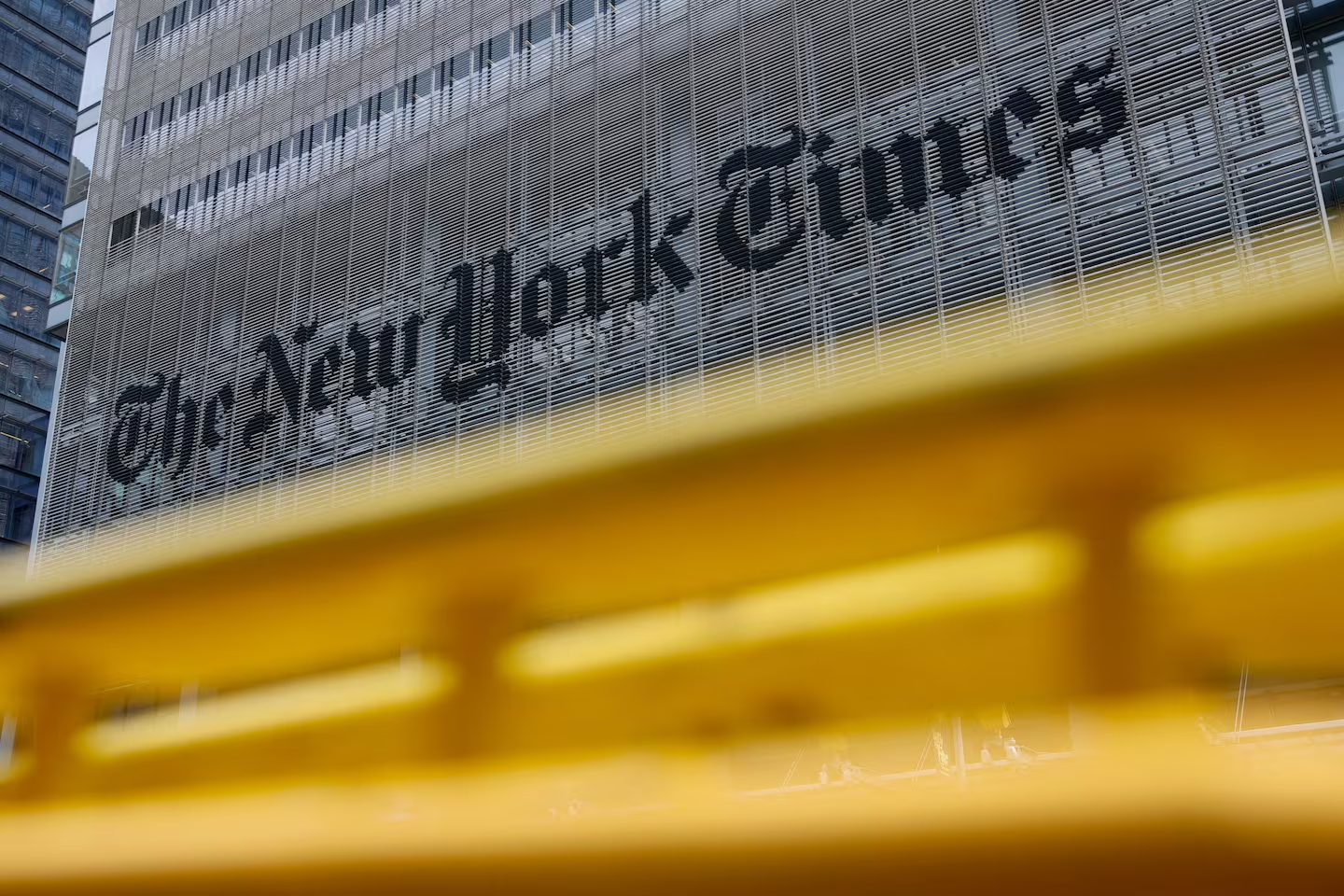
The Equal Employment Opportunity Commission (EEOC) initiated legal action against the New York Times on Tuesday, claiming that the organization unlawfully denied a promotion to a White male employee. EEOC Chair Andrea Lucas, appointed by former President Donald Trump, emphasized the importance of accountability, stating, “No one is above the law — including ‘elite’ institutions.” She further asserted that discrimination based on race or sex, regardless of the context, is equally illegal under established civil rights laws.
The lawsuit highlights ongoing debates about workplace equality and the implications of hiring practices in highly regarded institutions. The EEOC aims to ensure that federal laws regarding employment discrimination are upheld in all circumstances, asserting that all forms of discrimination, including what some may term "reverse discrimination," are prohibited.
This case underscores significant issues surrounding diversity initiatives and how they may impact promotion and hiring decisions within major employers. As the matter progresses, it will likely attract attention from various sectors, including media, legal, and civil rights communities.
Why this story matters
- This lawsuit raises questions about fairness in promotion practices and the balance between diversity initiatives and merit-based advancement.
Key takeaway
- The EEOC’s action reinforces that all forms of discrimination, including alleged reverse discrimination, face legal scrutiny.
Opposing viewpoint
- Some argue that initiatives aimed at enhancing diversity can inadvertently lead to perceived injustices against individuals from historically privileged groups, complicating the discussion around equality in the workplace.