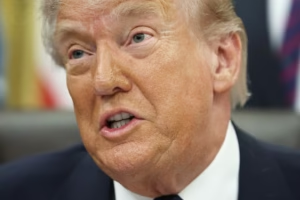



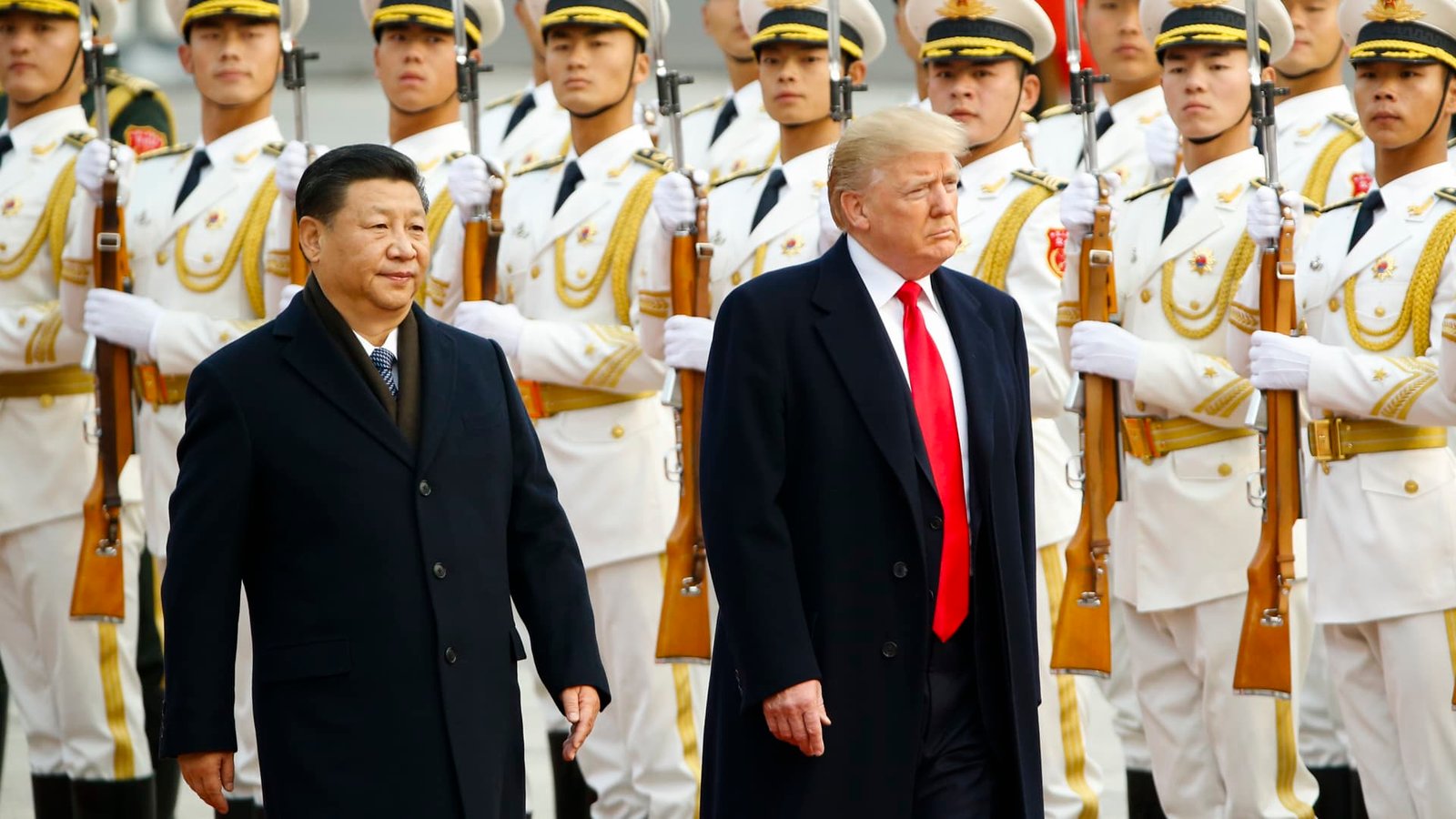
U.S. President Donald Trump is set to meet with Chinese President Xi Jinping on May 14 and 15, amid rising tensions surrounding the ongoing Iran conflict. The summit is expected to prioritize discussions on the war in Iran, which could overshadow other critical issues such as tariffs and the supply of rare earth materials.
U.S. Treasury Secretary Scott Bessent has indicated that Iran will be a significant topic during the meetings. Recently, Iran’s foreign minister visited China for the first time since the conflict began, sparking optimism for a potential peace resolution, which may positively influence global markets. However, the U.S. government declined China’s offer to facilitate meetings between senior Chinese officials and U.S. executives, believing this could create a perception of excessive closeness between American businesses and Beijing.
Although Boeing and Citigroup’s CEOs are anticipated to join Trump for the visit, the overall size of the U.S. business delegation may be substantially reduced compared to past trips, such as Trump’s 2017 visit, which featured around 30 CEOs and generated significant business agreements.
Experts suggest that while a smaller number of executives may attend this time, the visual partnership between Trump and Xi could signal a renewed willingness to engage with U.S. businesses in China. Additionally, there are signs of easing tensions regarding tariffs and technological sanctions, as both nations seek cooperation on emerging challenges like artificial intelligence. Possible agreements may include Chinese purchases of U.S. agricultural products and advancements in trade and investment initiatives.
Ultimately, the summit could solidify China’s recent economic gains, with ongoing discussions likely to focus on tariffs, Taiwan issues, and U.S. export controls affecting advanced technologies.
Why this story matters:
- Highlights the intricate relationship between the U.S. and China amid geopolitical tensions.
Key takeaway:
- The summit may prioritize the Iran conflict over business discussions, potentially reshaping bilateral relations.
Opposing viewpoint:
- Some argue that reducing the executive delegation diminishes the potential for significant business deals and outcomes.