



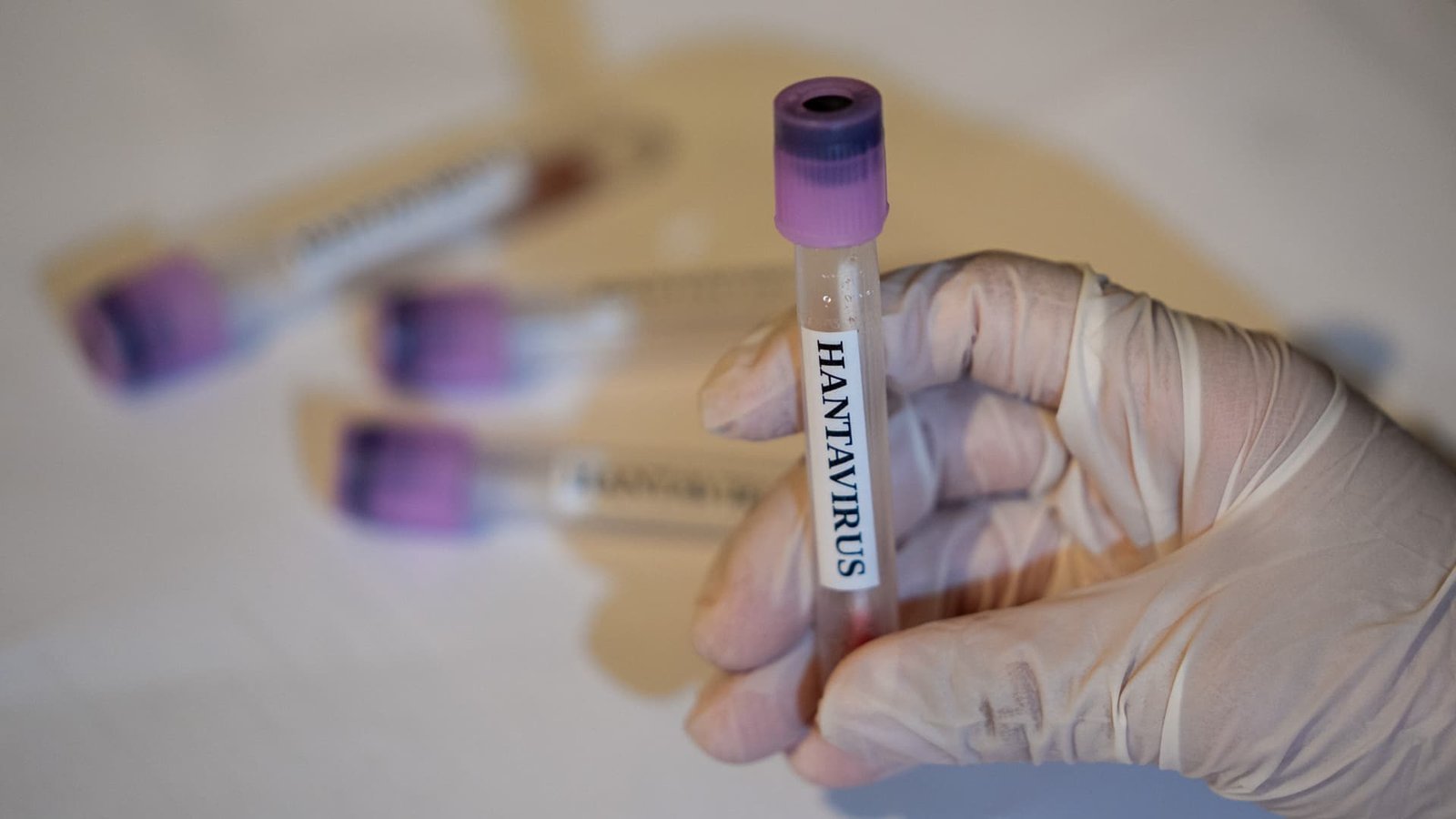
The U.S. Centers for Disease Control and Prevention (CDC) announced that there are currently no reported cases of hantavirus within the country, although 41 individuals are under monitoring following an outbreak linked to a cruise ship. The CDC maintains that the overall risk to the public remains low. Those monitored are advised to remain at home and limit contact with others for 42 days. This group includes cruise passengers recently relocated to facilities in Nebraska and Atlanta, as well as individuals who may have been exposed during travel, specifically on flights where a symptomatic case was identified.
The World Health Organization has confirmed a total of 11 hantavirus cases related to this outbreak, eight of which have been validated through laboratory tests, resulting in three fatalities. Although the situation has raised alarms about a potential global health crisis—especially considering the recent challenges posed by the COVID-19 pandemic—public health experts indicate that the risks associated with this outbreak are contained. They emphasize that the Andes strain of hantavirus involved does not transmit easily between individuals, reducing the likelihood of a widespread health emergency, though further cases could arise due to the virus’s long incubation period.
Critics have raised concerns that the U.S. response may be hampered by recent staffing cuts at the CDC and actions taken during the previous administration to disengage from the World Health Organization, suggesting these factors could impact readiness for health crises.
Why this story matters
Key takeaway
Opposing viewpoint