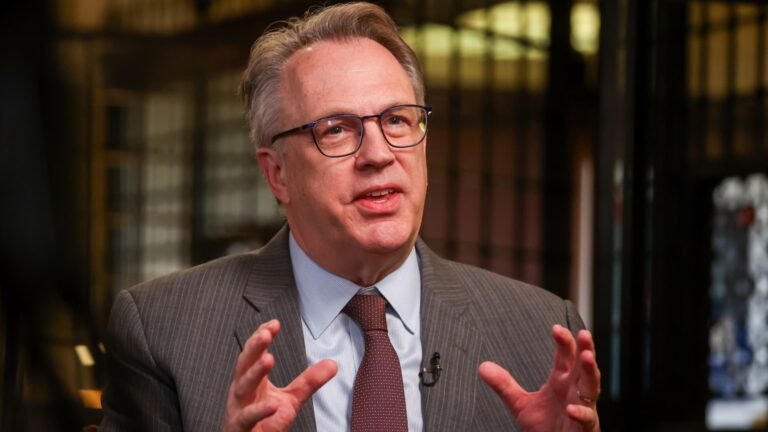


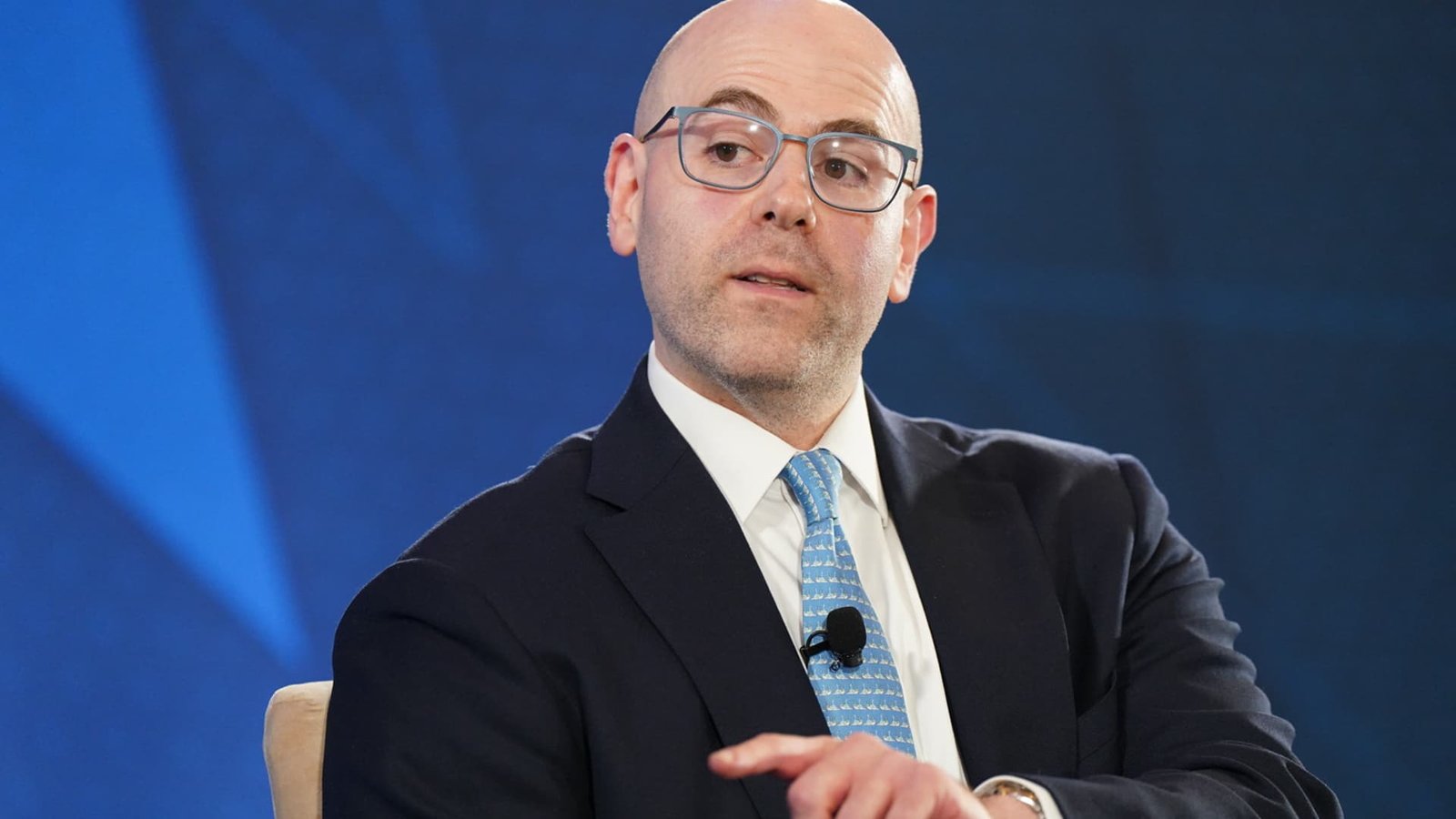
Federal Reserve Governor Stephen Miran discussed his tenure and future prospects during an interview at the Invest in America Forum on October 15, 2025. Miran’s term, which is set to conclude soon, will be the shortest for a governor in 71 years. His vision for transformational change within the Federal Reserve has evolved, acknowledging the institution’s inherently deliberative nature.
Miran highlighted that the Fed operates as a committee, where ideas must be collectively agreed upon, contrasting with a more hierarchical structure seen in other organizations. He did express optimism about returning to the Fed, particularly given that incoming Chair Kevin Warsh shares some of his perspectives. However, Miran emphasized the challenges of enacting rapid changes within the institution.
Throughout his time at the Fed, Miran was known for dissenting at each meeting he attended, advocating for lower interest rates even as he faced criticism for potentially threatening the Fed’s independence. He maintained that higher rates were unjustified and pointed to administration policies he believes could help curb inflation.
Miran’s arguments for lower rates include the potential benefits of deregulation, suggesting it could significantly ease inflationary pressures. He also posited that observed inflation might be artificially inflated due to technical factors, an assertion he plans to explore further in an upcoming paper. Miran expressed concern that focusing too narrowly on current supply shocks could undermine the Fed’s credibility in managing inflation, prompting a call for a more balanced perspective.
Despite his impending departure, Miran intends to remain engaged in debates surrounding Fed policies, hinting at a desire to return if the opportunity arises.
Why this story matters:
- Insight into the evolving dynamics and challenges of leadership at the Federal Reserve.
Key takeaway:
- Miran’s tenure highlights the complexity of enacting economic policy in a consensus-driven environment.
Opposing viewpoint:
- Critics argue that Miran’s approach may risk undermining the credibility of the Fed’s inflation-control measures.