


Artificial intelligence is rapidly transforming the computing landscape, driven by the limitations of existing models. The effort to enhance AI capabilities now necessitates vast clusters of specialized chips, significant energy consumption, and innovative data center designs. This shift is critical as many experts believe that developing artificial superintelligence (ASI) could become one of the most significant technological advancements of the century.
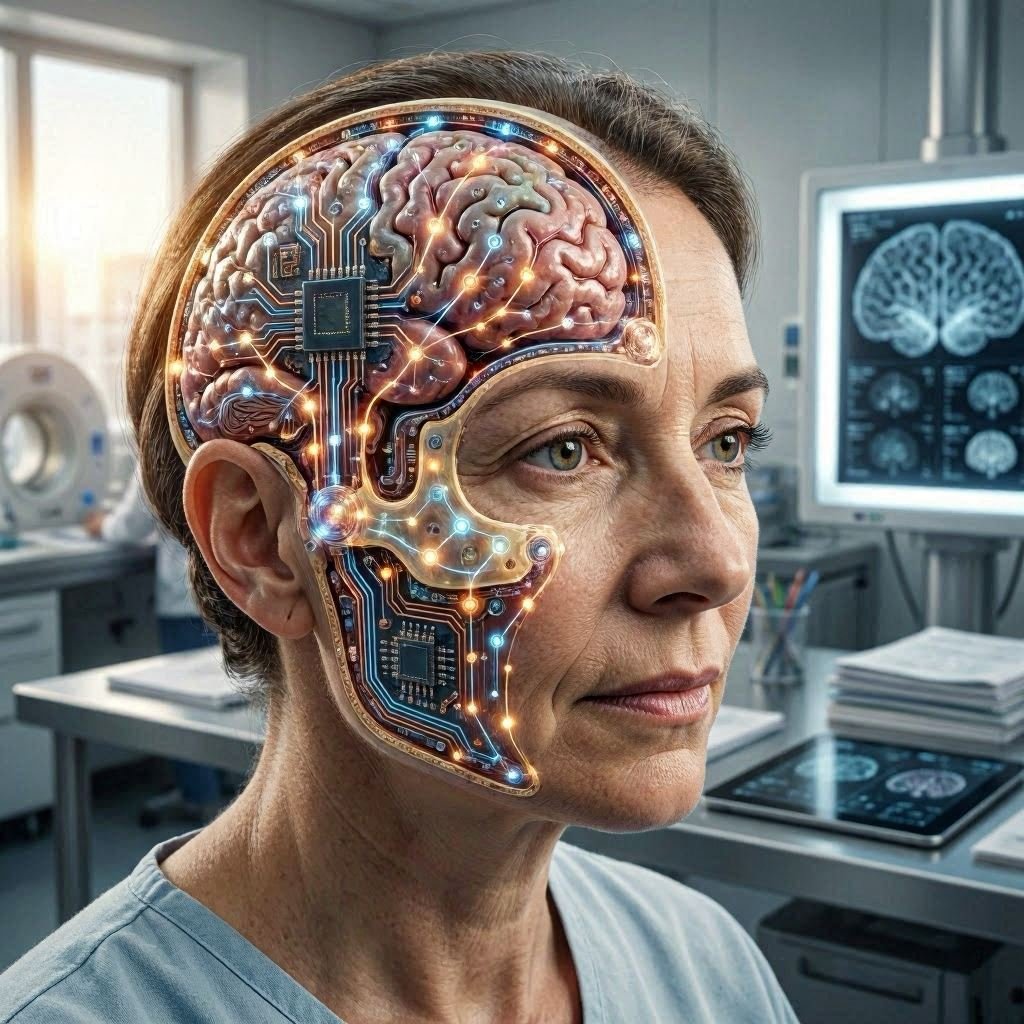
Meanwhile, researchers are exploring an unconventional approach to computing: biological computing, which involves integrating living human brain cells with silicon technology. Companies like Australia’s Cortical Labs have created systems such as CL1, which combines silicon hardware with approximately 800,000 living neurons, allowing researchers to send and receive electrical signals. This approach presents a novel pathway for developing more efficient computational systems.
Cortical Labs offers its system for around $35,000 or as a “wetware-as-a-service” for remote access. Similarly, the Swiss startup FinalSpark provides a platform for renting biological computers at a monthly fee. These developments could reduce energy costs significantly; while advanced AI models typically require thousands of watts, human brains function on just about 20 watts.
The innovative use of neural cells in computing raises ethical questions regarding ownership and consciousness, complicating the technology’s advancement. While the ultimate viability of these biological systems remains uncertain, they may represent a pivotal step away from traditional silicon-based computing, especially as demands for more efficient models grow.
As the AI field continues to evolve, the exploration of these new computational paradigms could lead to breakthroughs in adaptive intelligence and drug discovery, reshaping our understanding of technology.
Why this story matters: It highlights a potential shift in computing paradigms that could address current limitations in AI.
Key takeaway: Biological computing may present a more energy-efficient alternative to traditional silicon-based systems.
Opposing viewpoint: The technology remains in its infancy and may face significant practical and ethical challenges.