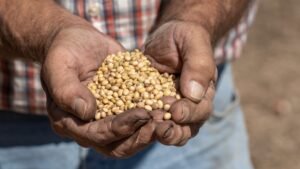


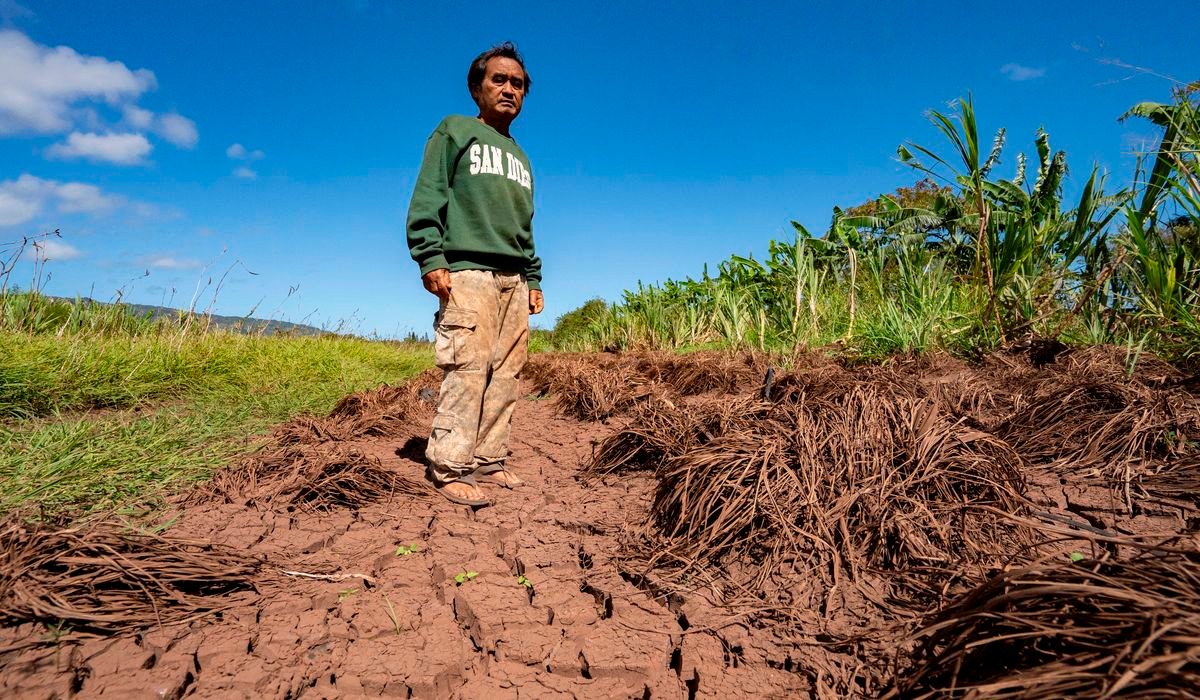
Severe flooding on Oahu’s North Shore has devastated local farms, significantly impacting Hawaii’s agricultural landscape. After back-to-back storms in March resulted in the worst flooding seen in two decades, many farmers, including Bok Kongphan and his niece, Jeni Balanay, are struggling to recover as their crops are decimated. Damage estimates range from $40 million to $50 million across nearly 2,000 farms, affecting diverse produce like lemongrass, okra, and bananas.
The Hawaii Farm Bureau has urged farmers to persist, noting that small, local farms play a vital role in the state’s food supply. Brian Miyamoto, the bureau’s executive director, stated that many farmers were on the brink of harvest before losing their entire crops. Unlike large-scale farms on the mainland, many of Hawaii’s smaller farms cannot afford crop insurance, leaving them vulnerable to such disasters.
The hardships faced by these farmers are exacerbated by historical shifts in the state’s agricultural practices. From the 19th century’s plantation-style farming dominated by sugar and pineapple, the landscape has evolved to support smaller farms emphasizing local distribution. The COVID-19 pandemic highlighted the urgency of cultivating a robust local food supply. In response to recent crises, state officials have implemented assistance programs, including disaster relief, low-interest loans, and seed distribution.
However, the prospect of recovery remains uncertain for many. Farmers report struggling to meet market demands and experiencing decreased crop outputs. The latest flooding has compounded existing challenges such as wildfires and pests, prompting officials to conduct soil safety tests and support farmers in their recovery efforts.
Why this story matters:
- The flooding highlights the fragility of local agriculture on Oahu and its importance for food security in Hawaii.
Key takeaway:
- Many small farmers in Hawaii are facing significant challenges after devastating storms, leading to substantial economic losses and threats to local food supplies.
Opposing viewpoint:
- Some may argue that continuing support for larger agricultural operations could be more beneficial than focusing on smaller farms vulnerable to climate impacts.