



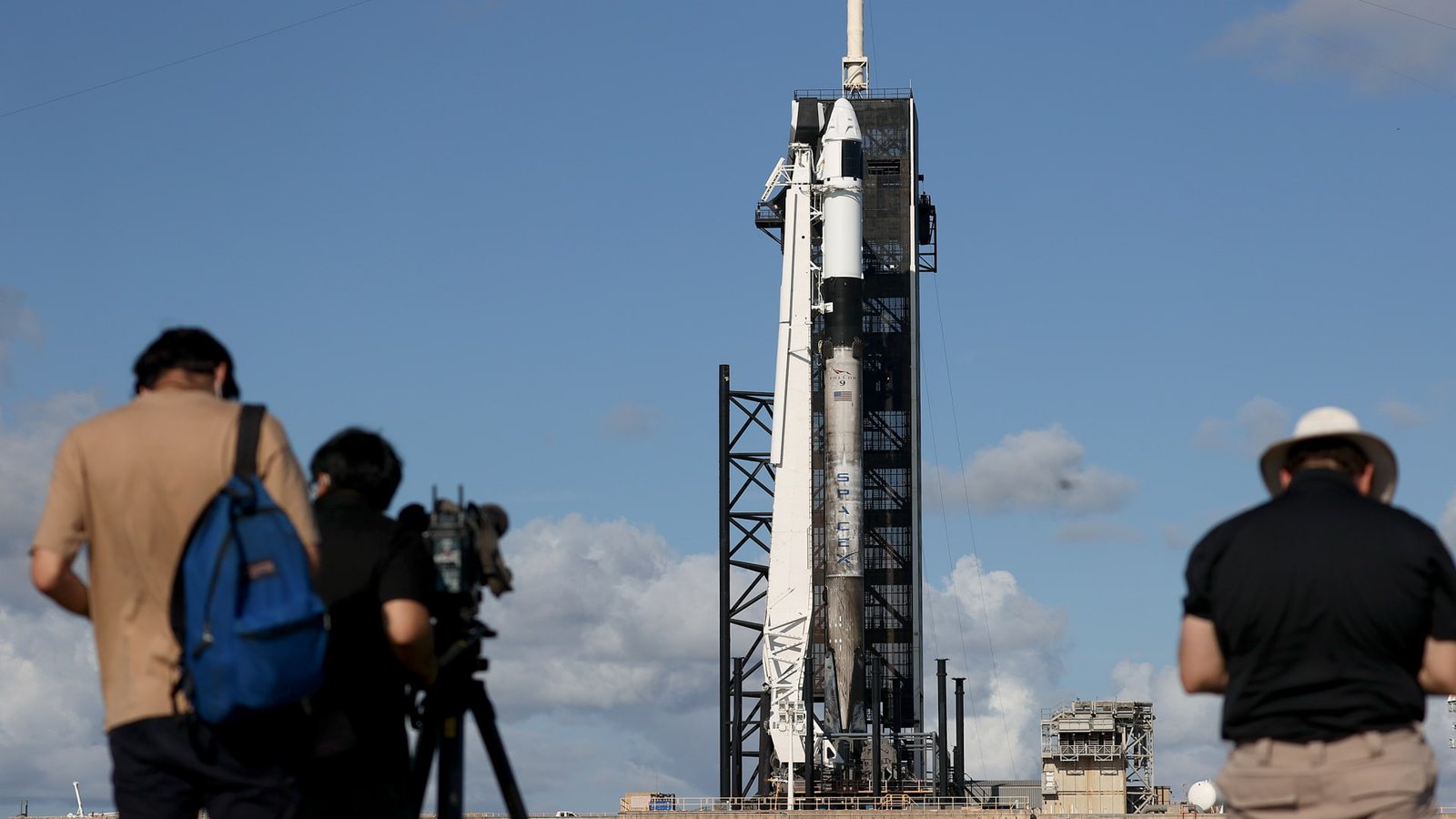
SpaceX, the aerospace company founded by Elon Musk, is making strides toward a public offering that will allow retail investors unprecedented access to its shares. The company announced plans to list on the Nasdaq under the ticker SPCX, with shares available for purchase through trading platforms such as Robinhood, Fidelity, and Charles Schwab. This initiative, outlined in a prospectus filed with the Securities and Exchange Commission, departs from conventional IPO processes that usually limit everyday investors to minimal allocations and higher post-offering prices.
SpaceX has been a transformative force since its inception in 2002, evolving from a nascent startup to one of the most valuable private companies globally. Its reputation was solidified as the primary launch partner for NASA following the retirement of the Space Shuttle program. The company not only specializes in reusable rockets but is also a key player in national security and defense contracts and operates the rapidly expanding Starlink satellite internet network.
While retail investors will have the opportunity to buy shares at the IPO price alongside institutional investors, certain limitations are likely to apply. Each brokerage will have its own requirements and terms, and demand for the shares is expected to outweigh supply significantly.
This potential IPO comes as SpaceX embarks on a tour to present its growth plans to investors starting June 8. With its innovative business lines, including a recent expansion into artificial intelligence through Musk’s xAI, SpaceX is poised for further growth in the rapidly evolving aerospace and technology industries.
Why this story matters:
- Retail investors gain rare access to a major IPO, signaling a shift in market practices.
Key takeaway:
- SpaceX’s IPO will allow everyday traders to buy shares at the same price as institutional investors.
Opposing viewpoint:
- Limitations on share allocations may mean many retail investors miss out despite the offer.