


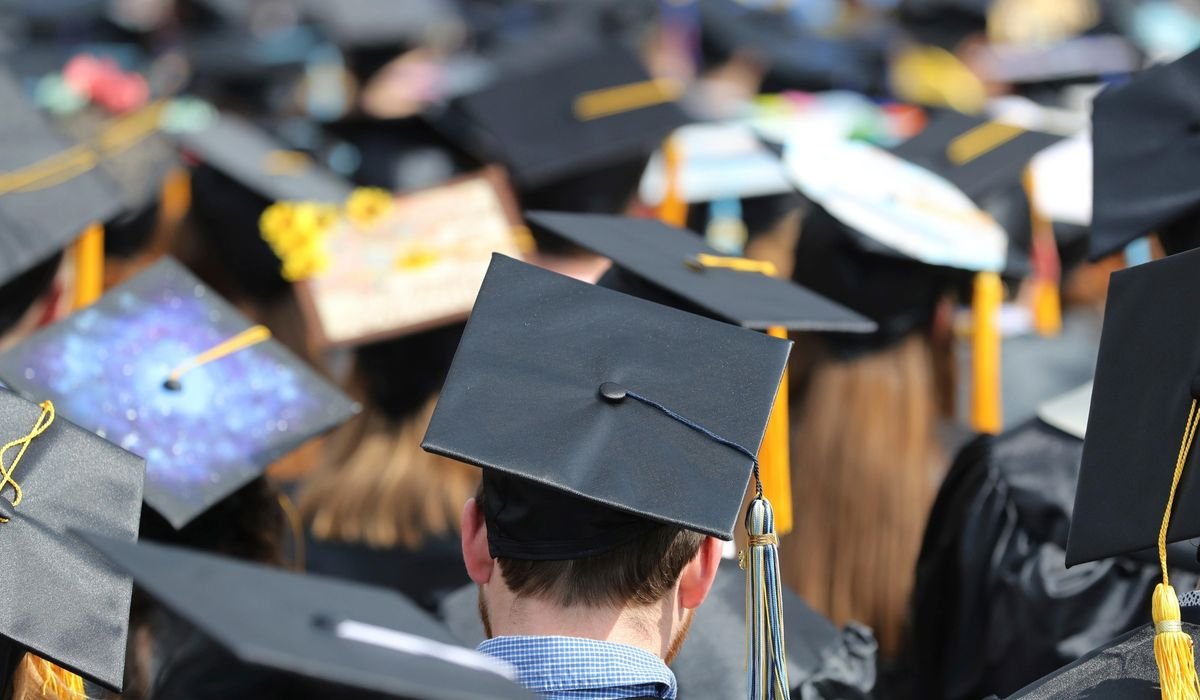
A recent study reveals a significant disparity between the perceptions of college students and employers regarding preparedness for the workforce. In the "State of Higher Education 2026" study conducted by Gallup and the Lumina Foundation, 93% of college undergraduates expressed confidence in their educational programs equipping them for future jobs. In contrast, only 54% of employers agreed, with many citing concerns about the competencies of recent graduates.
The survey indicates that 70% of employers believe that graduates require "moderate or significant" additional training for their roles, while 88% of students felt their degrees would suffice for immediate employment. The findings suggest that academic achievements may not align with job market demands, according to insights from education and workforce experts.
Amanda Main from the University of Central Florida emphasized the widening gap between graduate preparedness and employer expectations, highlighting the importance of skills such as judgment and adaptability. Experts recommend that students actively seek out internships, apprenticeships, and training to bridge this gap.
Some educators noted that colleges are primarily designed to teach general skills, which can lead to differing expectations between graduates and employers. The evolving job market, particularly with advancements in artificial intelligence, necessitates that colleges adapt faster to ensure students acquire relevant skills.
Notably, public confidence in the value of a college degree has declined, dropping from 57% in 2015 to 42% last year, driven by economic concerns. While some employers still require degrees, experts argue for a stronger emphasis on applied learning to enhance the educational experience and better meet labor market needs.
- Why this story matters: The discrepancy between student confidence and employer satisfaction raises concerns about the effectiveness of higher education in preparing graduates for the workforce.
- Key takeaway: Bridging the gap between educational outcomes and employer expectations is critical to ensure graduates are job-ready.
- Opposing viewpoint: Some argue that colleges should focus on teaching general skills, which naturally leads to differing perceptions about immediate job readiness.