



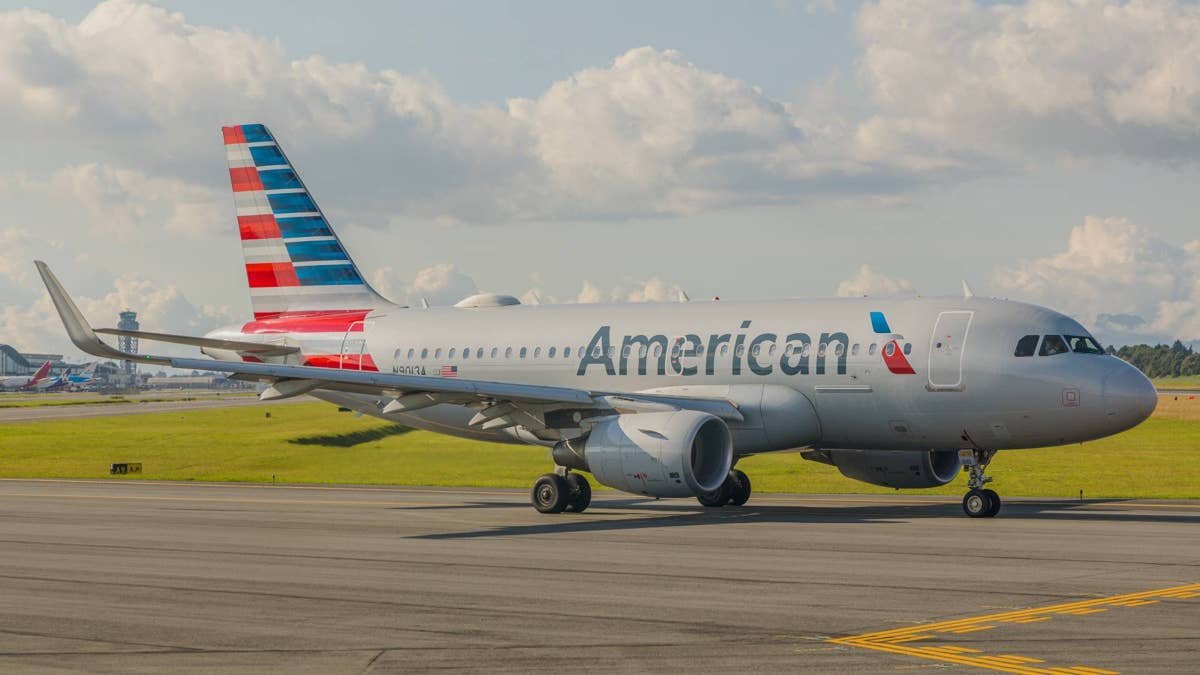
Travelers at major airports in the United States are facing increasing disruptions due to a combination of operational strain and a global fuel crisis. Recent events have underscored this issue, with 1,910 delays and 135 cancellations occurring in just one day, particularly affecting hubs like Hartsfield-Jackson Atlanta International Airport, Dallas/Fort Worth International Airport, and Chicago O’Hare International Airport.
The crisis is primarily driven by the closure of the Strait of Hormuz, which is vital for global oil supply. As a result, airlines are grappling with soaring fuel prices and disrupted supply chains, leading to widespread flight cancellations and delayed trips. Major airlines such as American Airlines, United Airlines, and Delta Air Lines have reported significant operational challenges, with thousands of passengers being stranded as delays compound across the network.
The repercussions of the fuel crisis extend beyond immediate travel disruptions. Airlines are responding by cutting less profitable routes, reducing flight frequency, and implementing higher fares. An increase in ticket prices was noted, with airfares rising by 2.7% in March, further straining travelers’ wallets. Additional ancillary fees for services like checked baggage and seat selection are also on the rise.
As the aviation sector adapts to these pressures, the focus has shifted towards cost control and fuel efficiency, with some airlines even re-evaluating route profitability and introducing surcharges. This situation poses a long-term challenge to the industry, implying that travelers should be prepared for an evolving experience marked by reduced options and higher costs.
Why this story matters
- The ongoing fuel crisis significantly impacts air travel and operational viability for airlines globally.
Key takeaway
- Rising fuel prices and operational disruptions are leading to increased delays, cancellations, and fare hikes, affecting travelers significantly.
Opposing viewpoint
- Some industry experts argue that airlines may be overreacting, suggesting that improved operational management could mitigate impacts without drastic measures.