
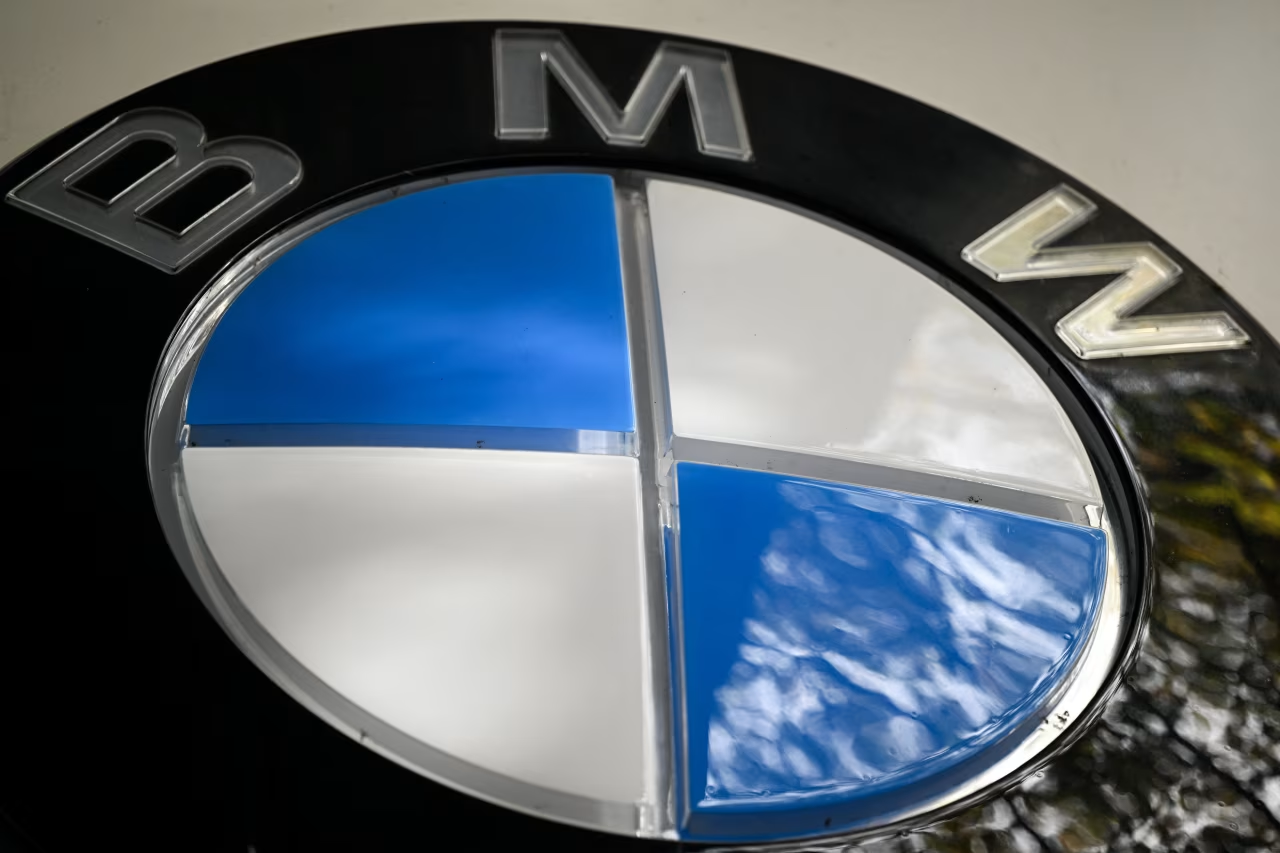
BMW, like many European automakers, is navigating a challenging landscape marked by heightened competition and a decline in luxury spending within the Chinese market. The luxury car segment in China, which has traditionally been a stronghold for brands like BMW, is showing signs of weakness due to various economic factors, including changing consumer preferences and increased competition from both domestic and foreign manufacturers.
Additionally, the impact of tariffs is compounding these challenges. Rising tariffs on automotive imports have escalated operational costs for many companies, forcing them to reassess pricing strategies and market positioning. As a result, BMW is facing pressure not only to maintain its market share in China but also to adapt to an evolving industry landscape that includes a growing emphasis on electric vehicles and sustainability.
To respond to these challenges, BMW is likely to explore innovative approaches in product offerings, marketing strategies, and partnerships that could enhance its competitiveness. The company remains focused on adjusting its operations to align with shifting consumer demands, while simultaneously addressing the implications of tariffs that affect its supply chain.
Why this story matters
- It highlights the vulnerabilities of luxury automakers in a key global market.
Key takeaway
- BMW is under pressure from rising competition and tariffs, prompting a need for strategic adaptation.
Opposing viewpoint
- Some argue that BMW’s heritage and brand strength may enable it to weather these challenges better than competitors.