

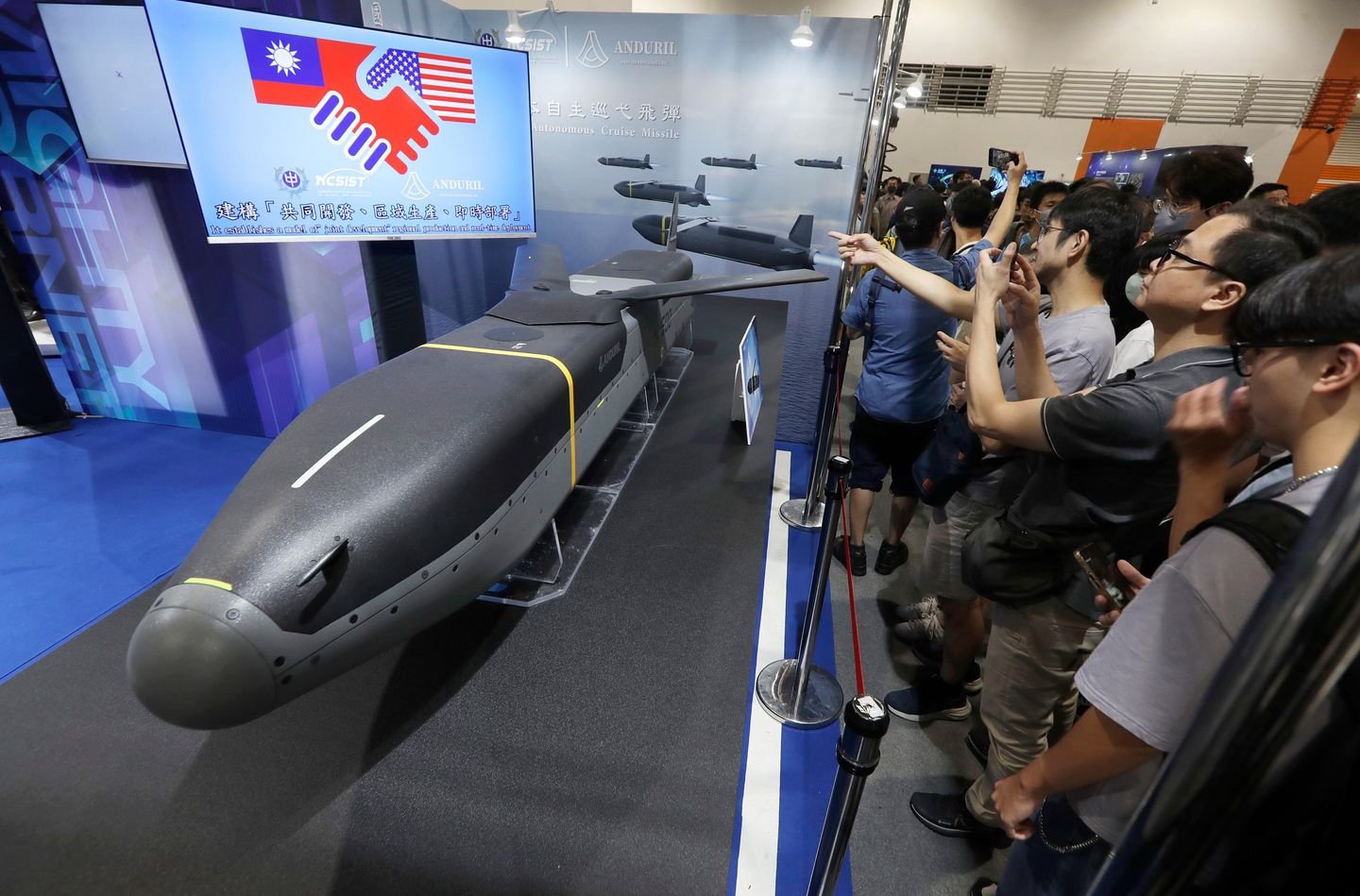
Beijing announced sanctions on 20 U.S. defense-related companies and 10 executives in response to the recent approval of substantial arms sales to Taiwan by Washington. This decision reflects ongoing tensions between the two nations, particularly concerning Taiwan, which China views as part of its territory.
The sanctions were promptly enacted after the U.S. government’s announcement, highlighting the sensitivity surrounding military transactions involving Taiwan. Chinese authorities have consistently opposed U.S. arms sales to Taiwan, asserting that such actions undermine regional stability and provoke heightened tensions in the Taiwan Strait.
In a statement, a spokesperson for the Chinese Foreign Ministry emphasized the necessity of safeguarding national interests and highlighted that these measures are aimed at holding accountable those involved in activities perceived as detrimental to China’s sovereignty. The affected companies and executives were not disclosed in detail, but the sanctions signal a continuation of retaliatory strategies between the two nations amid escalating geopolitical frictions.
Analysts suggest that these developments could further complicate U.S.-China relations, which have already been strained by various issues, including trade disagreements and human rights concerns. The ongoing military and political standoffs may continue to influence diplomatic dynamics in the region, particularly with regards to Taiwan’s status.
Why this story matters:
- It highlights the escalating tensions between China and the U.S. regarding Taiwan and military sales.
Key takeaway:
- Beijing’s sanctions are a direct response to U.S. actions perceived as provocative, illustrating the ongoing geopolitical struggles.
Opposing viewpoint:
- Some U.S. officials argue that arms sales to Taiwan are essential for ensuring its defense against potential aggression from China.