


S&P Global Ratings has revised its forecast for China’s property sales in 2026, projecting a decline of 10% to 14%, a significant downgrade from the previous estimate of a 5% to 8% decrease made in October. The firm attributes this deepening downturn to an entrenched oversupply of housing that only government intervention can address. While there are discussions about the government purchasing unsold properties to bolster affordable housing initiatives, current efforts appear scattered and insufficient.
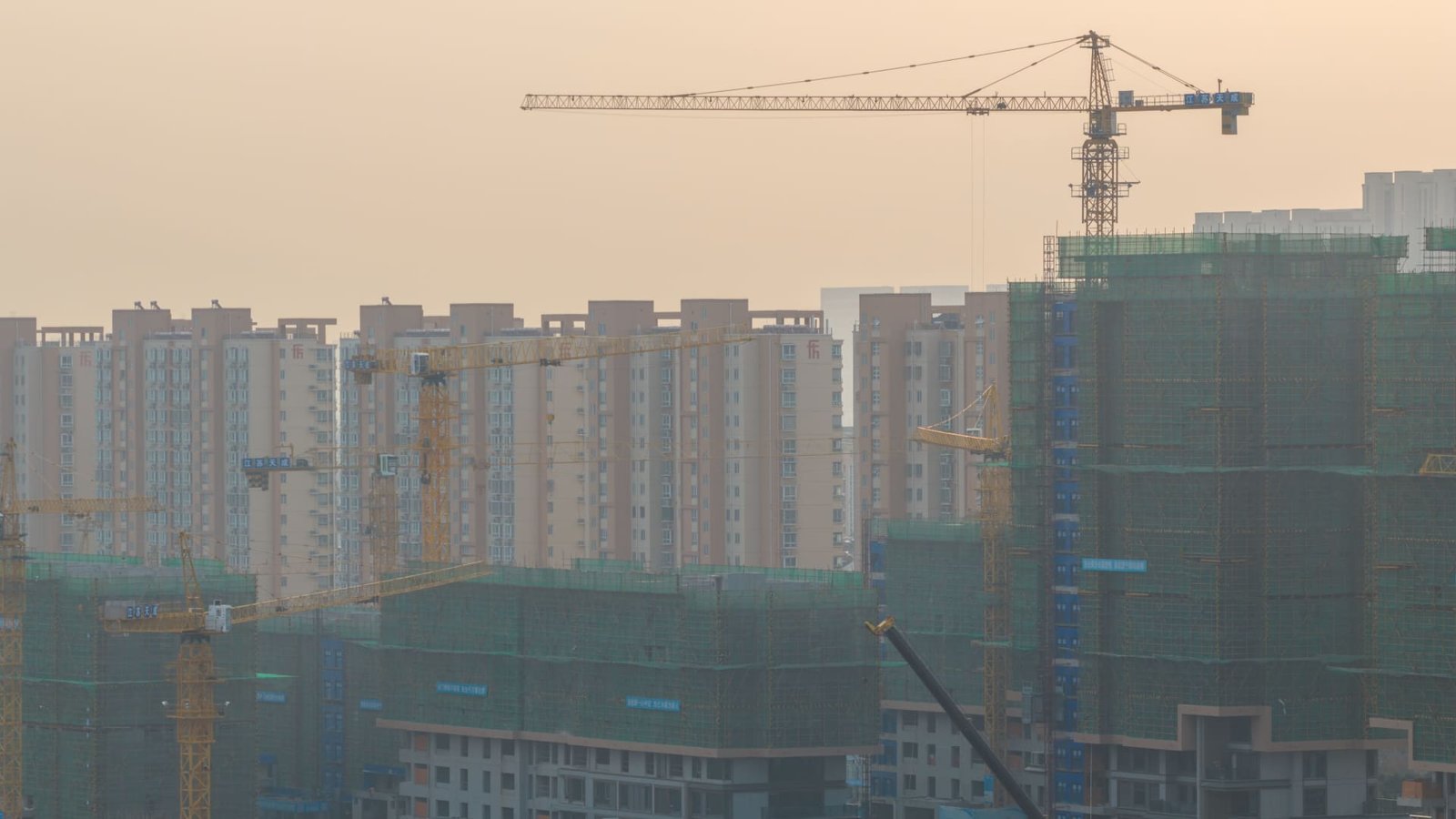
Over the past four years, the property market, which once represented over a quarter of China’s economy, has seen its annual sales volume reduced by half. The downturn began following Beijing’s crackdown on developers’ heavy debt reliance. Although construction continues despite dwindling sales, this has resulted in a sustained overhang of unsold new housing, marking six consecutive years of completed but unsold units.
S&P analysts noted that the oversupply is expected to contribute to a further 2% to 4% drop in prices this year. Falling property prices are undermining homebuyer confidence, creating a detrimental cycle for the market. Notably, major cities like Beijing, Guangzhou, and Shenzhen have experienced home price declines exceeding 3%, while Shanghai was the only major city to register an increase last year.
The property slump worsened throughout 2025, with final sales decreasing by 12.6% to 8.4 trillion yuan ($1.21 trillion), less than half the total sales recorded in 2021. Experts warn that if sales continue to decline significantly, several major developers could face rating downgrades.
Chinese authorities have yet to introduce significant measures to support the real estate sector, instead focusing on advancing technology sectors. Analysts emphasize that this shift may leave the economy increasingly vulnerable as it relies more on exports amid ongoing trade tensions.
Key Points:
- Why this story matters: The decline in property sales signals broader economic challenges for China, impacting overall growth and stability.
- Key takeaway: An entrenched property slump is expected to continue, driven by oversupply and falling consumer confidence.
- Opposing viewpoint: Some argue that ongoing investments in high-tech industries may provide a long-term solution, diversifying the economy away from real estate reliance.