


Metal prices experienced significant declines on Thursday as concerns grew over the economic implications of rising oil prices linked to the U.S.-Iran conflict. Gold dropped nearly 6%, while silver decreased by 8%. The sell-off affected other metals as well, with copper falling 2% and palladium decreasing by 5.5%. Despite gold being traditionally viewed as a safe-haven asset, its price has been declining since the onset of the conflict, driven by inflation fears and expectations of persistent higher interest rates. These rates diminish the appeal of non-yielding assets like gold, particularly with a stronger dollar making the metal less expensive.
Peter Boockvar, Chief Investment Officer at One Point BFG Wealth Partners, explained that rising inflation risks undermine anticipated Federal Reserve rate cuts, pushing real interest rates higher and thus negatively impacting gold’s attractiveness. The U.S. 10-year Treasury yield surpassed 4.300% on Thursday.
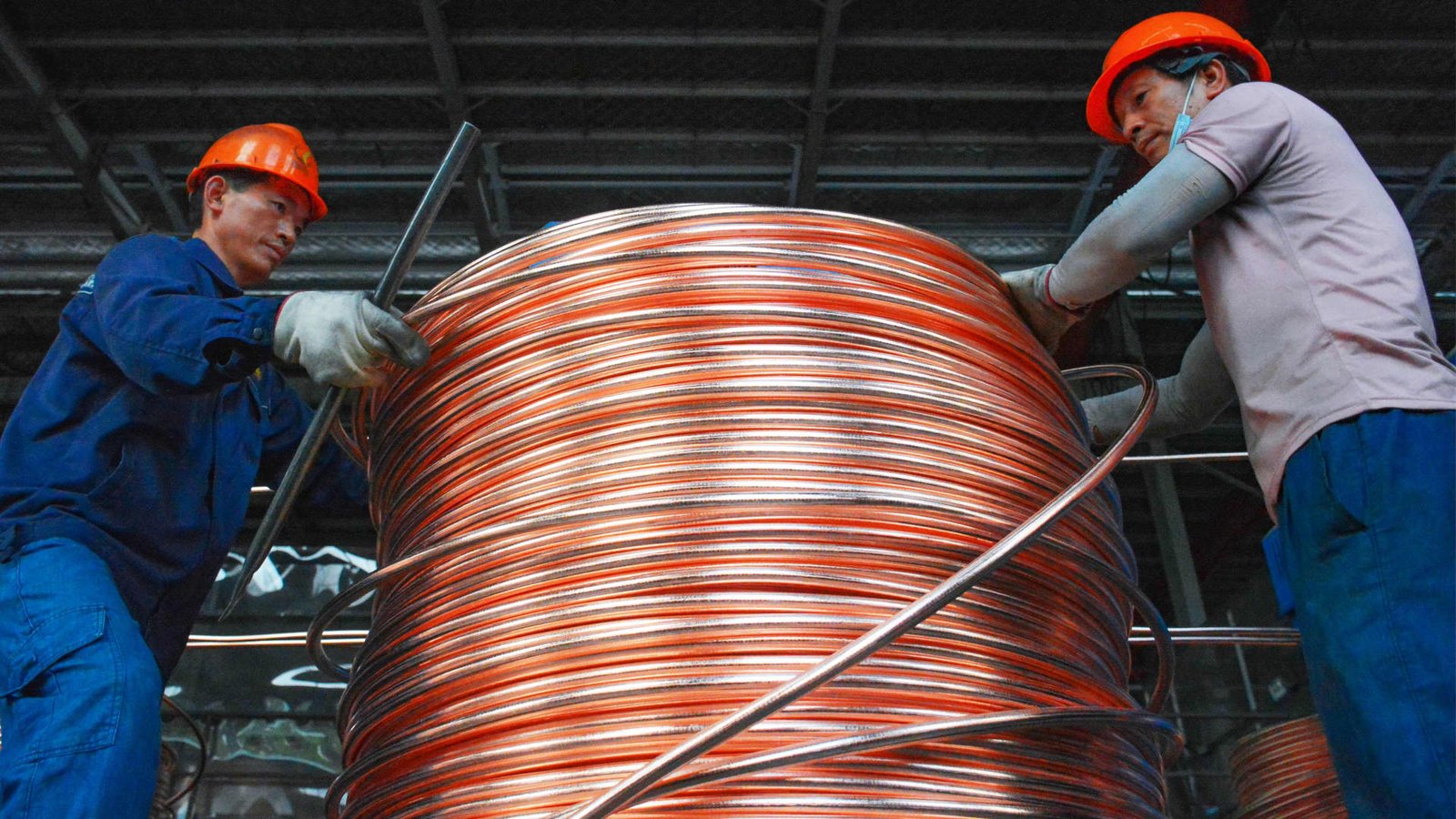
Industrial metals such as copper and palladium had previously stabilized after initial declines due to the conflict, but concerns about economic growth have since pressured their prices. A reduction in copper value is often interpreted as a warning sign for economic advancement. Analysts note that ongoing elevated oil prices could alter consumer and business spending habits, potentially leading to a recession—a scenario termed “demand destruction.”
While some experts express worries about a stagflation scenario—where inflation and economic stagnation coexist—others suggest that the historical context does not support a repeat of past crises. Ed Yardeni of Yardeni Research argued that recent oil shocks have not led to recession, a sentiment echoed by Federal Reserve Chair Jay Powell. Nevertheless, Boockvar believes stability in industrial metal prices relies on the conflict’s resolution, while Goldman Sachs analyst Christian Mueller-Glissmann indicated that gold may still serve as a hedge against potential stagflation.
Why this story matters:
- The impact of geopolitical conflicts on commodity markets can influence global economic stability.
Key takeaway:
- Rising oil prices from the U.S.-Iran conflict are creating uncertainty in metal markets, particularly gold and industrial metals.
Opposing viewpoint:
- Some analysts argue that current economic conditions do not point toward a sustained stagflation similar to past crises, suggesting a different economic landscape.