

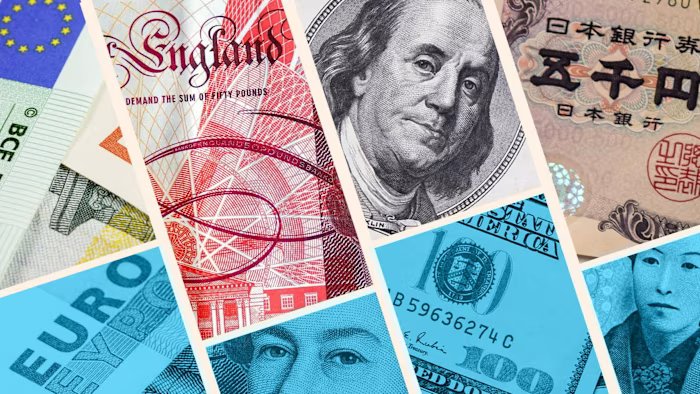
The U.S. dollar experienced a significant decline on Tuesday, dropping 1.3% against a basket of major currencies and reaching its lowest level in four years. This decline, attributed to President Donald Trump’s dismissive comments regarding the currency’s recent drops, has heightened concerns in foreign exchange markets over the administration’s unpredictable policymaking. The euro and the British pound surged to their highest values against the dollar since mid-2021, with the euro increasing 1.4% to $1.204 and the pound rising 1.2% to $1.384.
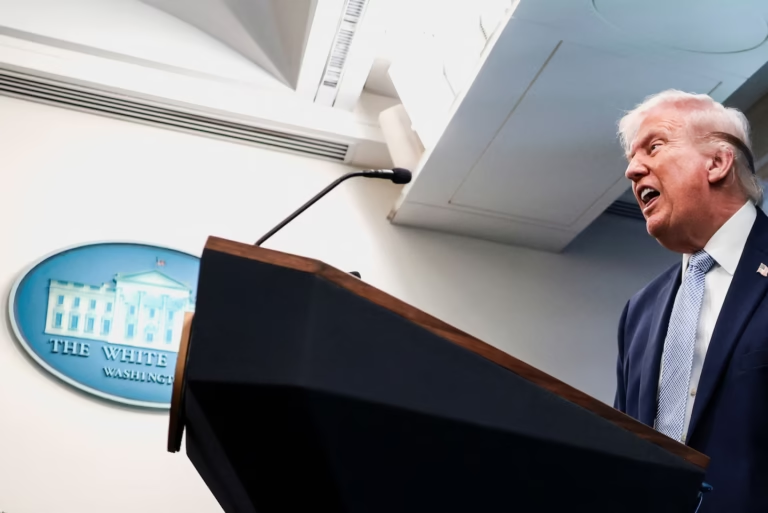
Trump stated at an event in Iowa that he was unconcerned about the dollar’s fall and highlighted the currency’s ongoing value and business success. Amidst the dollar’s weakening, investors shifted toward safer assets, pushing silver prices up by over 8% to $112 per ounce and gold by 3.5% to $5,185 per troy ounce. Analysts noted that the dollar’s vulnerability may be linked to uncertainties surrounding U.S. fiscal policies and potential government shutdowns, as well as the president’s nomination for the Federal Reserve chair and strained relations with NATO allies.
Furthermore, speculation about potential U.S.-Japan intervention in currency markets to stabilize the yen against the dollar has intensified the discourse surrounding the dollar’s future. Many analysts expect the dollar’s downward trend to persist through the remainder of the year, while economic improvements in Europe have boosted investor confidence in the euro and pound.
Why this story matters:
- The dollar’s decline impacts global trade and investment decisions.
Key takeaway:
- President Trump’s remarks may have exacerbated market instability and investor uncertainty.
Opposing viewpoint:
- Some view the dollar’s fall as a natural market fluctuation rather than a cause for concern.