


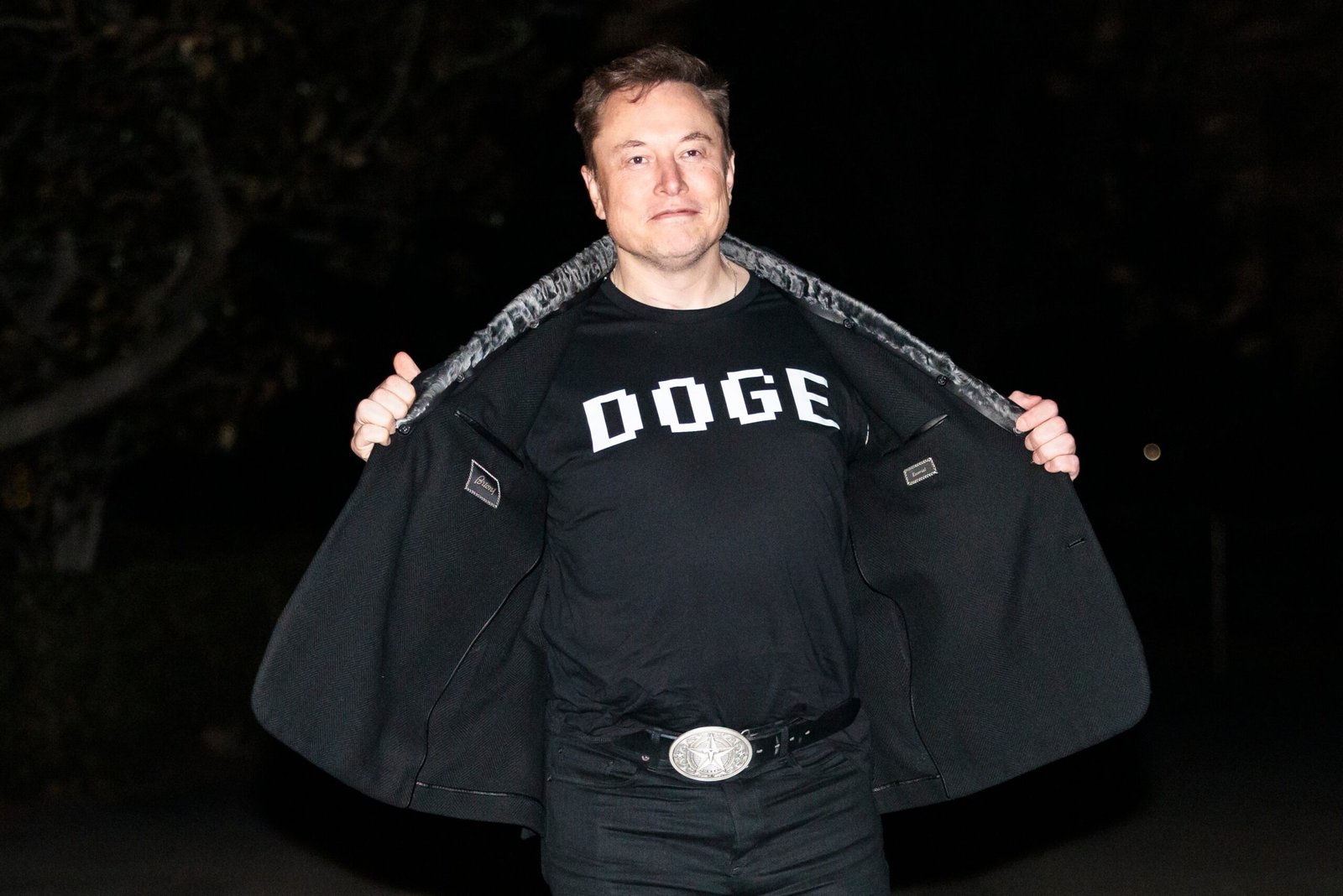
In early 2025, Elon Musk’s involvement with the Department of Government Efficiency (DOGE) drew significant attention as he aimed to influence federal spending practices. However, by late May, Musk resigned amid public backlash and political fallout, marking his time with DOGE as a controversial chapter.
Musk’s long-term relationship with the U.S. government extends far beyond this period. Over two decades, Musk’s companies, particularly Tesla, have benefitted from substantial federal assistance through loans, tax incentives, and regulatory credits, amounting to billions of dollars. Notably, Tesla received a $465 million loan from the Energy Department during the Model S ramp-up phase and has generated over $11 billion through regulatory credits.
Moreover, SpaceX’s role has become increasingly critical to national defense; the U.S. Space Force awarded SpaceX a contract valued at approximately $5.9 billion for military launches through 2029. This reliance extends to NASA, which awarded SpaceX a contract exceeding $4 billion for the Artemis Human Landing System.
Furthermore, SpaceX’s Starlink satellite network now supports military operations, including a $23 million agreement with the Pentagon to aid efforts in Ukraine. Additionally, Musk’s AI company, xAI, has begun integrating into government operations, marking a further entrenchment of Musk’s influence on federal activities.
Overall, while Musk’s tenure with DOGE may have ended, his presence in government operations appears to be expanding. His companies are becoming integral to the U.S. government’s infrastructure across multiple sectors, enhancing his operational influence and creating new revenue opportunities.
Why this story matters: The evolving relationship between Musk’s companies and the U.S. government raises questions about privatization and national security.
Key takeaway: Musk’s influence is solidifying as his companies become essential to government operations.
Opposing viewpoint: Critics may argue that Musk’s government contracts create undue reliance on private enterprises, which raises concerns about accountability and control.