


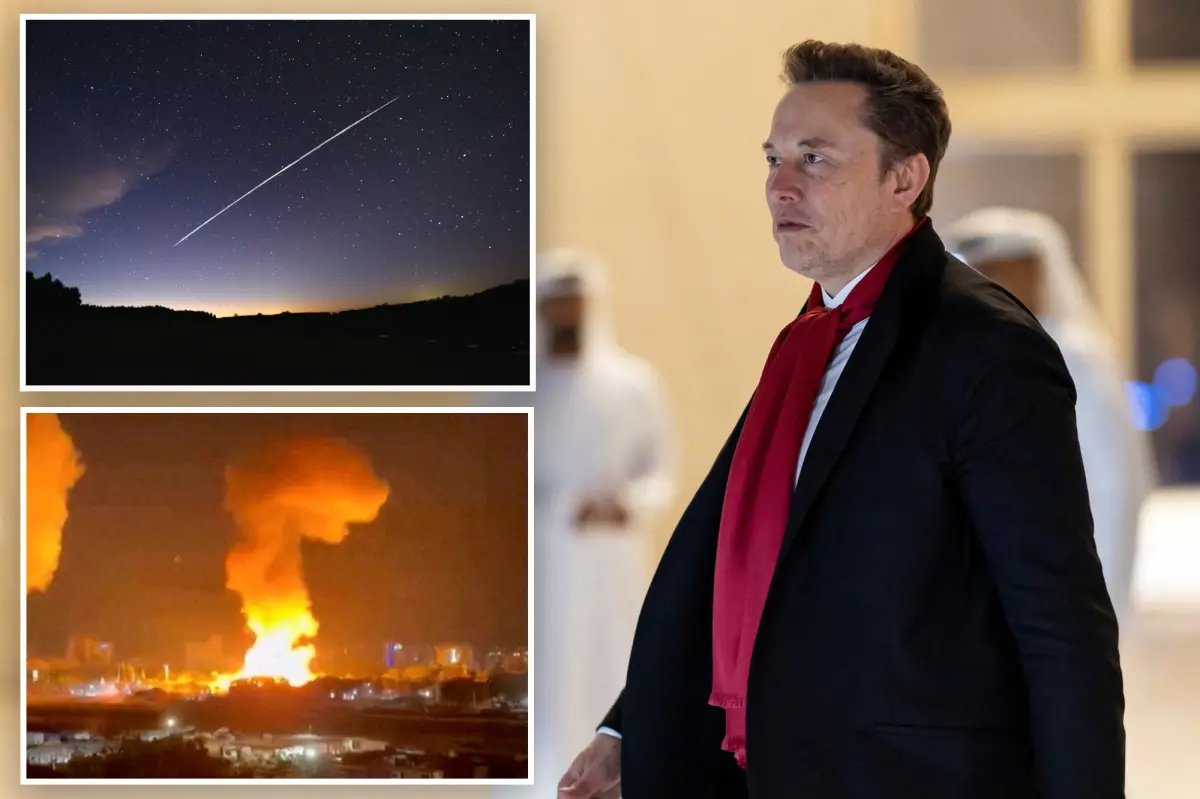
Elon Musk’s Starlink has initiated a program to provide free internet service in Venezuela following a significant US military operation that resulted in the capture of Nicolás Maduro, the nation’s leader. In a blog update, Starlink announced the allocation of service credits to both existing and former subscribers in Venezuela, enabling them to access free broadband internet through February 3.
This initiative comes amid widespread power and internet disruptions in Caracas and the neighboring Miranda state, reported in the aftermath of the US strike. Starlink has committed to monitoring the situation closely and will update users on the potential for local purchasing options as circumstances evolve.
Starlink, a product of Musk’s SpaceX, delivers internet connectivity via a network of low-orbit satellites. Customers must have compatible equipment to access the service. The company has not clarified whether the free service will extend beyond the initial deadline.
The US military operation primarily focused on Caracas, with additional actions reported in surrounding states. Following his arrest, Maduro, along with his wife, Cilia Flores, entered a plea of not guilty to various federal charges, including conspiracy related to narco-terrorism. Meanwhile, a political reshuffling saw Venezuela’s Vice President Delcy Rodriguez take the position of interim president, facing pressure to cooperate with US interests.
Starlink has previously stepped in to provide internet in crisis scenarios, such as Ukraine during the Russian invasion. However, concerns linger about the concentration of internet access in conflict areas and Musk’s influence on global conflicts. To date, China has been striving to develop its alternatives to Starlink amid growing competition in the satellite internet market.
Why this story matters
- The event underscores the role of technology companies in geopolitical conflicts and recovery efforts.
Key takeaway
- Access to free internet is crucial for Venezuelans, especially following major disruptions caused by political turmoil.
Opposing viewpoint
- Critics warn that the concentration of internet services in conflict zones may lead to excessive control over information and communication.