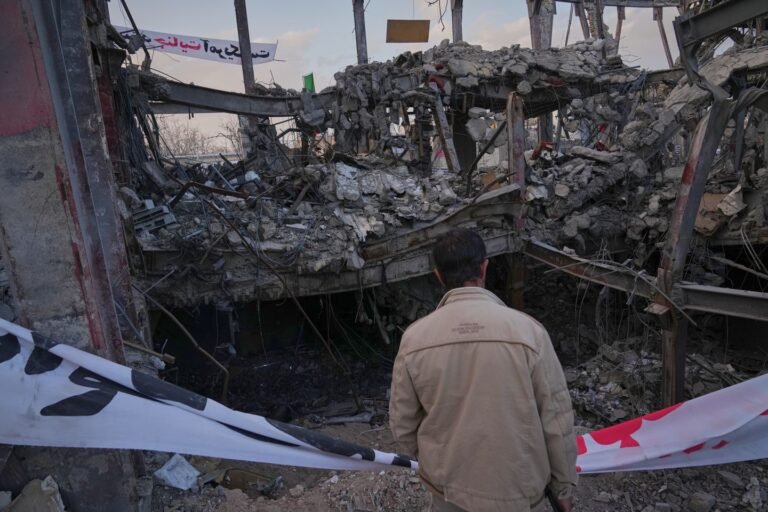



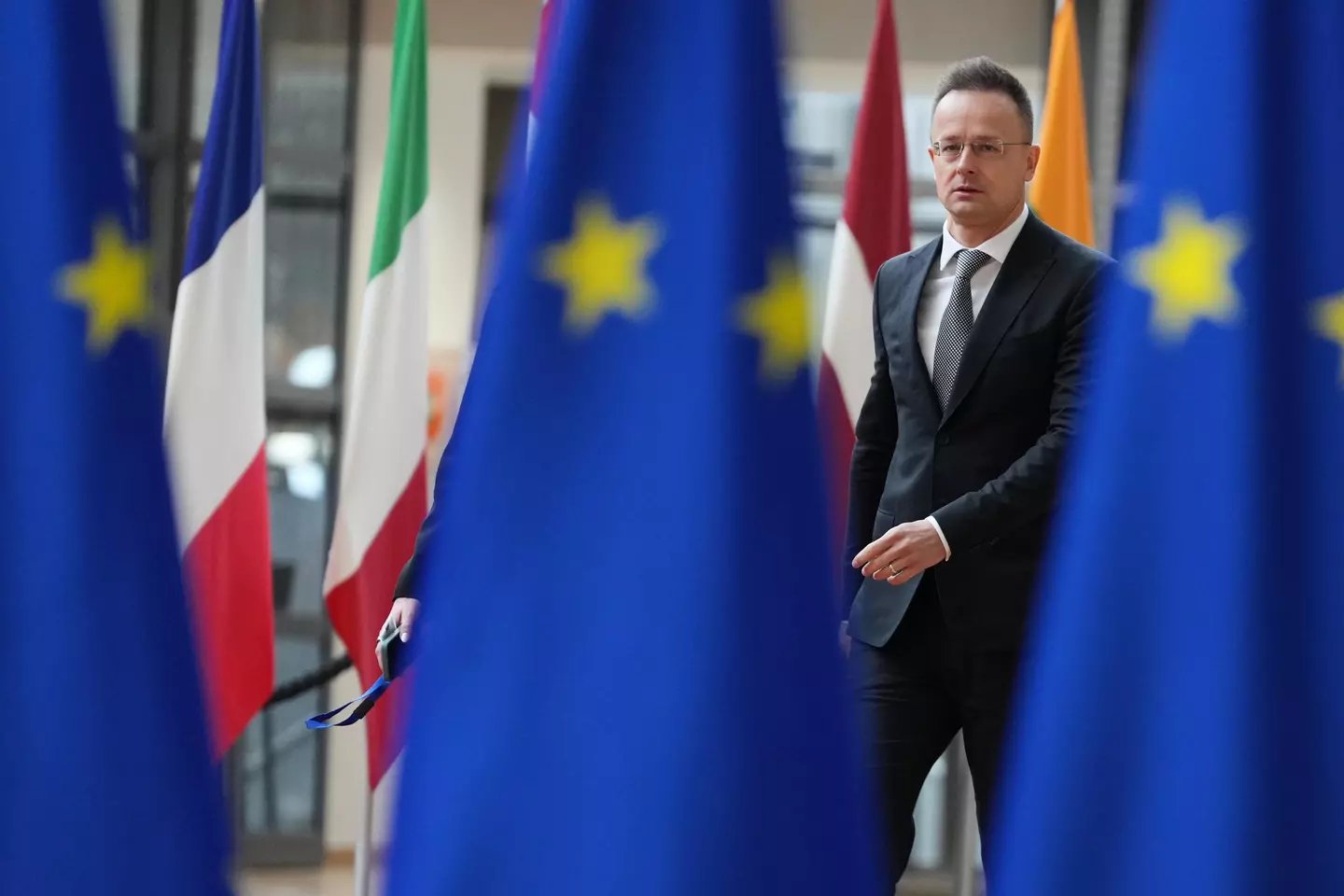
The European Union was unable to implement new sanctions against Russia on Monday due to unexpected objections from Hungary, as stated by the EU’s foreign affairs chief. This development comes amid ongoing discussions among member states about the need for unified action in response to Russia’s activities. The proposed sanctions were part of the EU’s broader strategy to address geopolitical tensions and support Ukraine in light of the continuing conflict.
Hungary’s concerns highlight the challenges facing the EU as it seeks to maintain a cohesive stance on foreign policy issues, particularly regarding relations with Russia. The rejection of the sanctions reflects Hungary’s unique position and priorities within the union, which sometimes diverge from those of other member states advocating for a stronger stance against Russia.
The inability to reach consensus on the sanctions indicates potential divisions within the EU, which could affect the bloc’s future strategies and responses to international conflicts. As the situation develops, the EU faces significant pressure to find a balance between maintaining unity among its members and addressing the pressing geopolitical issues at hand.
Why this story matters: The failed sanctions illustrate the complexities of EU unity on foreign policy issues.
Key takeaway: Hungary’s objections underscore the challenges of achieving consensus among EU member states.
Opposing viewpoint: Some member states believe that stronger actions against Russia are essential for regional security and support for Ukraine.