


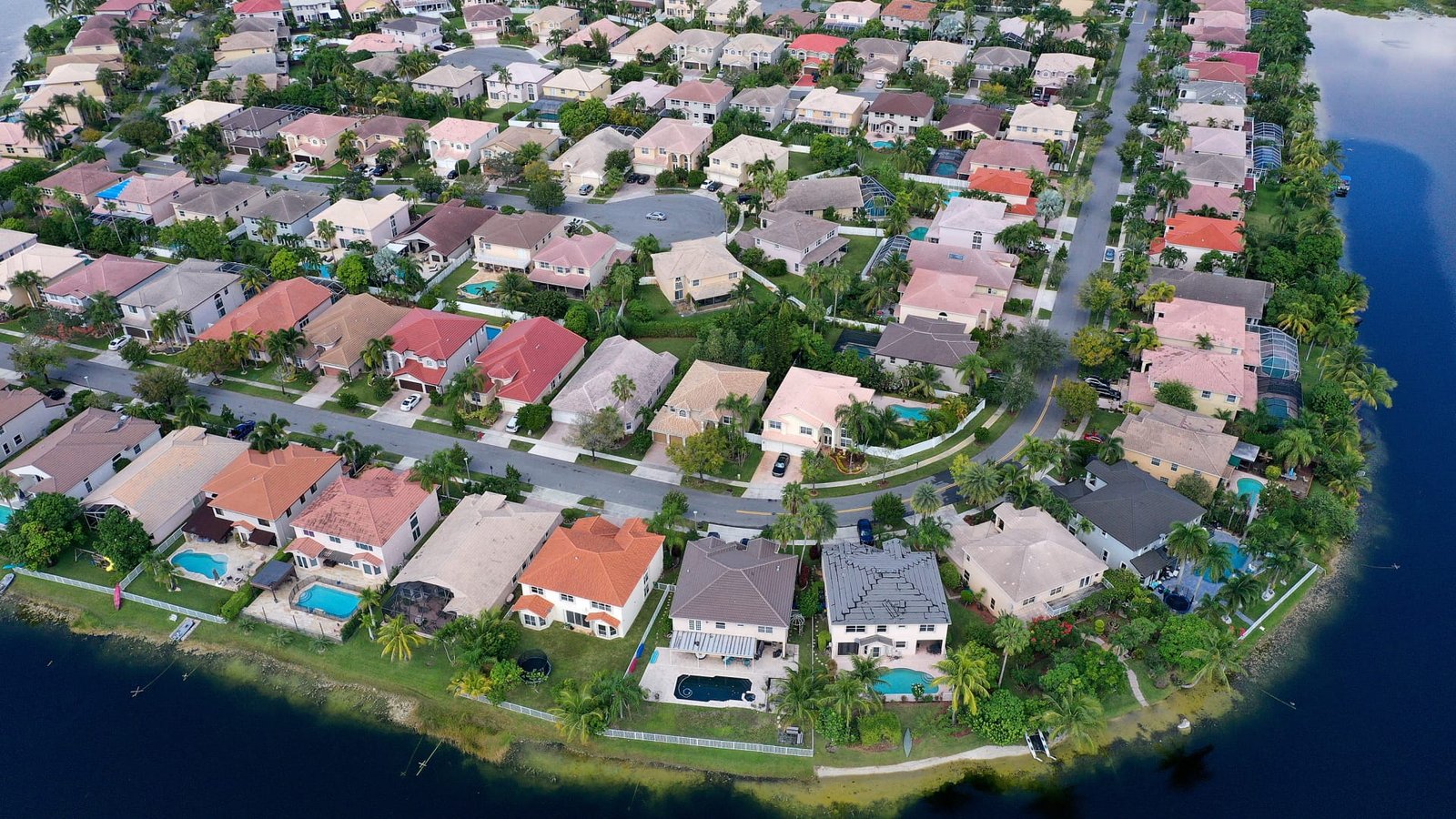
In Miramar, Florida, a potential regulatory shift under President Donald Trump’s administration could impact private investment firms associated with wealthy families in the realm of single-family home acquisitions. While the administration’s focus seems directed towards large Wall Street landlords, experts indicate that family offices, which often engage in real estate investments, may also find themselves affected.
Recent data show that approximately 75% of family offices in North America allocate around 18% of their assets to real estate, with nearly one-third of that dedicated to residential properties. The effects of Trump’s proposed ban on “large institutional investors” will largely depend on how such investors are defined, a detail that remains unspecified. Current legislation generally targets owners of a significant number of properties—over 1,000 units in one case, and over 50 single-family homes in another.
Legal experts, such as Vicki Odette from Haynes Boone, point out that affluent families involved in real estate development could unintentionally fall under these regulations due to their property holdings. Although family offices typically favor multifamily or commercial properties, some do maintain substantial portfolios of single-family homes, especially in suburban regions.
Michael Cole, managing partner of R360, emphasizes the diversity in family office structures, which complicates predictions about the ban’s impact. Furthermore, Arielle Frost from Withers indicates that while family offices are not the primary target of this initiative, future legislative moves could expand the focus.
Why this story matters:
- The implications of this regulatory proposal could reshape investment strategies for wealthy families involved in real estate.
Key takeaway:
- Family offices may face unintended consequences from regulations aimed primarily at institutional investors.
Opposing viewpoint:
- Some experts argue that family offices will likely evade immediate repercussions, as the focus is on larger institutional players.