

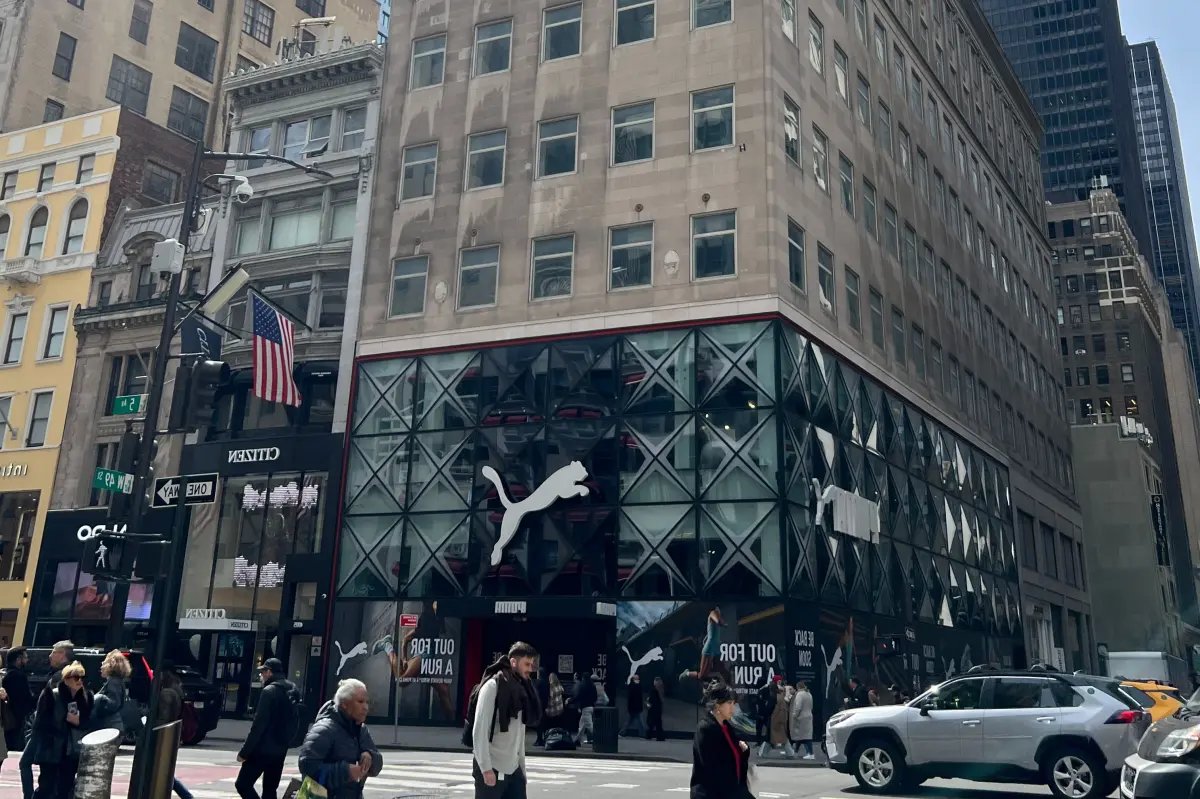
609 Fifth Avenue, located in a prime shopping district, is currently embroiled in a complex legal and financial situation involving multiple parties, including owners, creditors, and tenants. Described as a “dense web of loans, lawsuits, and repair claims,” the building faces significant challenges following a Chapter 11 bankruptcy filing by a borrower entity associated with the property. This action was taken to stall a scheduled foreclosure sale set for March 19.
The building carries an estimated debt of $135 million, with a $50 million mezzanine loan reportedly in default. This recent bankruptcy filing aims to facilitate discussions among lenders, borrowers, lienholders, and equity holders to increase asset value and ensure that all parties receive their payments in full, according to Leo Jacobs, the attorney representing the property’s owners, RJ Capital Holdings and Top Rock Holdings.
Complicating matters, the Puma flagship store located on the building’s ground floor has faced operational disruptions due to flooding caused by broken pipes, which Puma alleges resulted from the failure of the office floor owners to pay for essential utilities. This two-level store, situated in a bustling area, has been forced to close temporarily amid these issues.
The financial landscape for the property has shifted since it was purchased for $100 million in 2022, with escalating interest rates and changes in the political environment contributing to the current predicament. Further complicating the situation, the specific details around the mezzanine lender and the amount owed remain unclear, although reports indicate that GW Assets FZE is involved.
While the future path for 609 Fifth Avenue remains uncertain, the intricacies of the ongoing restructuring process are being closely monitored by all stakeholders.
Why this story matters: The situation reflects broader trends in commercial real estate and finance.
Key takeaway: Chapter 11 filings can serve as a strategic move to negotiate debts and maximize asset value.
Opposing viewpoint: Some may argue that the Chapter 11 filing simply delays inevitable financial consequences for the property owners.