


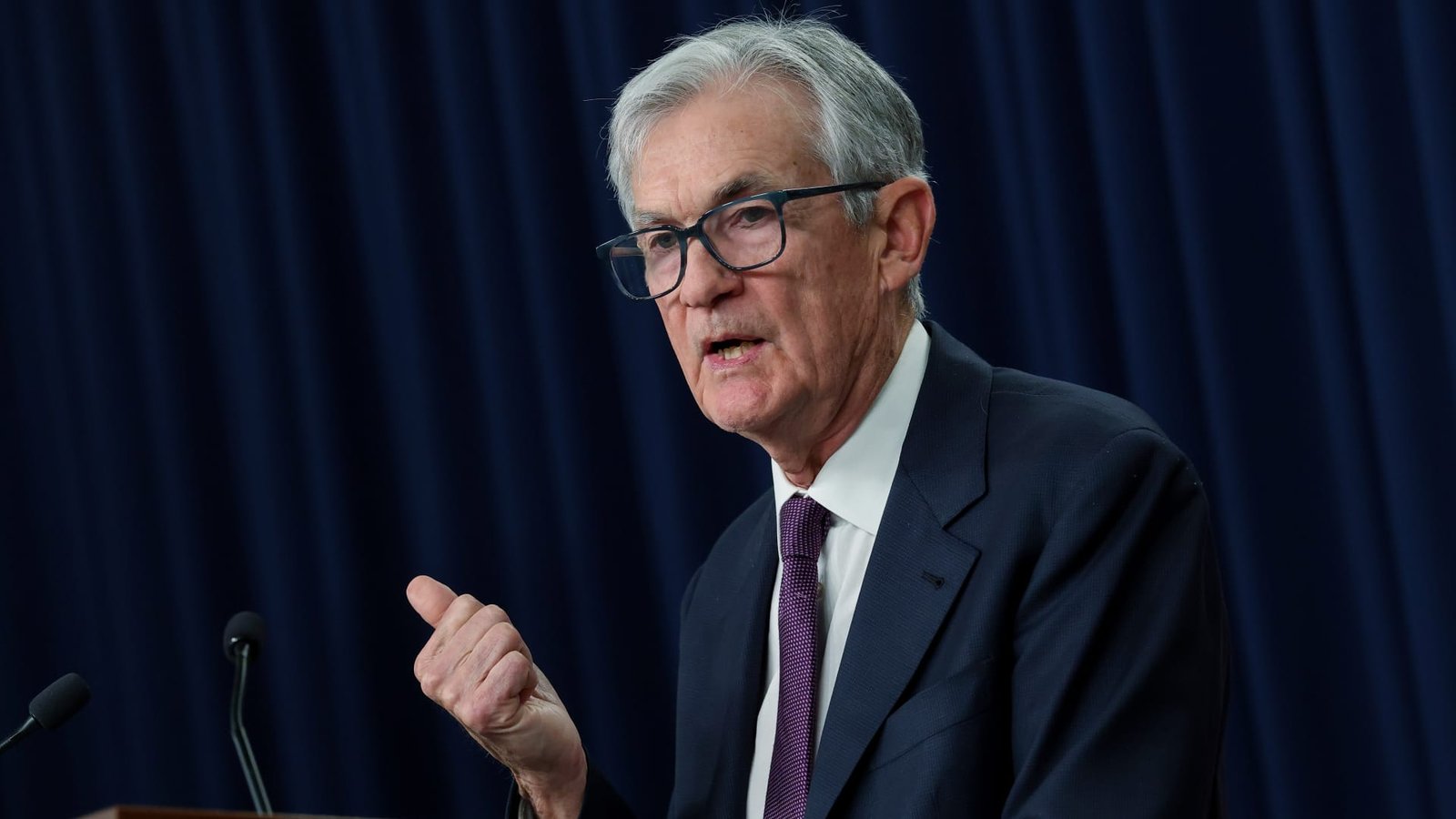
Federal Reserve Chair Jerome Powell addressed the economic outlook during a recent press conference following the Federal Open Market Committee’s (FOMC) March 17-18 meeting. When discussing interest rate policies, officials indicated the likelihood of a rate cut later in the year, regardless of ongoing uncertainties related to international conflicts and trade tariffs.
The meeting minutes revealed that many committee members anticipate a reduction in the federal funds rate, particularly if inflation trends downward as expected. This decision reflects concerns about the labor market and consumer purchasing power, particularly in light of rising gas prices tied to the ongoing war in Iran. Members expressed caution, noting that higher oil prices could strain household finances and impact broader economic growth.
The FOMC’s unanimous vote maintained the benchmark borrowing rate between 3.5% and 3.75%, allowing officials time to observe economic developments before making further changes. The recent escalation of tensions in the Middle East has contributed to uncertainty regarding inflation and the U.S. economy’s trajectory. While there is a fragile ceasefire in Iran, its longevity remains uncertain, leaving traders and markets with varying expectations for future rate cuts.
Concerns about the labor market, particularly the reliance on healthcare job growth, have raised alarms about economic stability. Many committee members noted that risks to employment appear skewed toward downturns, suggesting a need for vigilant monitoring of labor market conditions.
As the economy continues to show signs of slowing—evidenced by a modest 0.7% GDP growth in late 2025 and an expected 1.3% in early 2026—market analysts are adjusting their expectations, with some predicting a potential recession.
Key Points:
- Why this story matters: It highlights the Federal Reserve’s response to current geopolitical tensions and economic indicators, which can significantly impact financial markets and consumer behavior.
- Key takeaway: The FOMC is poised for potential interest rate cuts this year, emphasizing a cautious approach amid economic uncertainties and inflation concerns.
- Opposing viewpoint: Some analysts argue that maintaining current rates may mitigate long-term inflation risks despite the prevailing economic slowdown.