

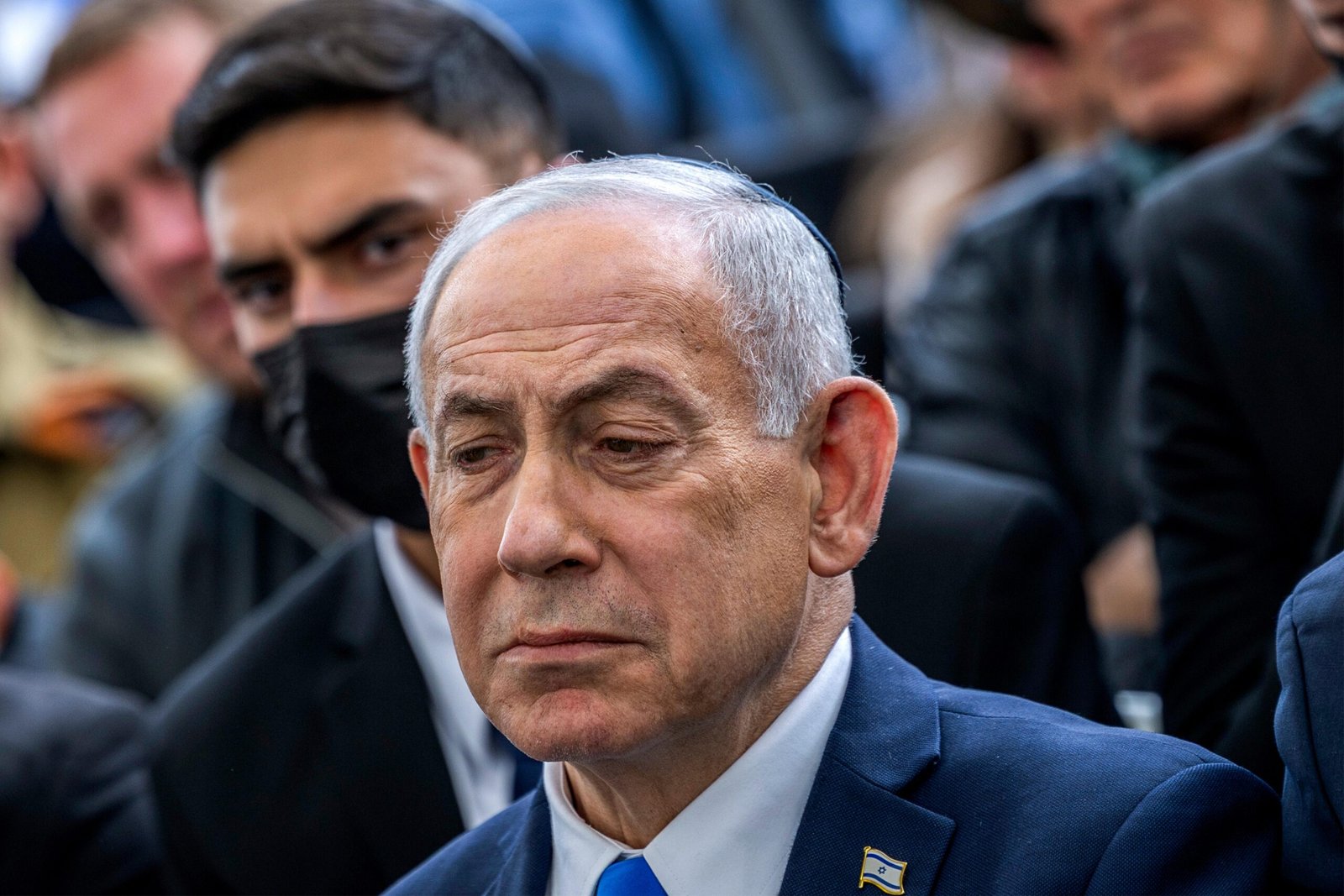
Prime Minister Benjamin Netanyahu addressed the Israeli public late Wednesday, nearly 18 hours after a two-week ceasefire with Iran took effect. His remarks focused on the persistent threat posed by Iran’s ballistic missiles and nuclear ambitions, stating that while these challenges have been mitigated, they are not resolved. He emphasized Israel’s commitment to achieving its objectives, whether through diplomatic means or renewed conflict.
Netanyahu’s address followed a particularly deadly day in Lebanon during ongoing hostilities between Israel and Hezbollah, an Iran-backed group. Despite the ceasefire, reports of military operations persisted, with Israel launching strikes on over 100 Hezbollah targets, resulting in significant casualties.
As life in Israel began to return to normal, uncertainty loomed over the public’s perception of the past month’s military actions, with some questioning the necessity of their sacrifices. Analysts have noted that the situation remains complex, with the United States shifting its focus from military engagements to negotiations with Iran, in which Israel is not directly included.
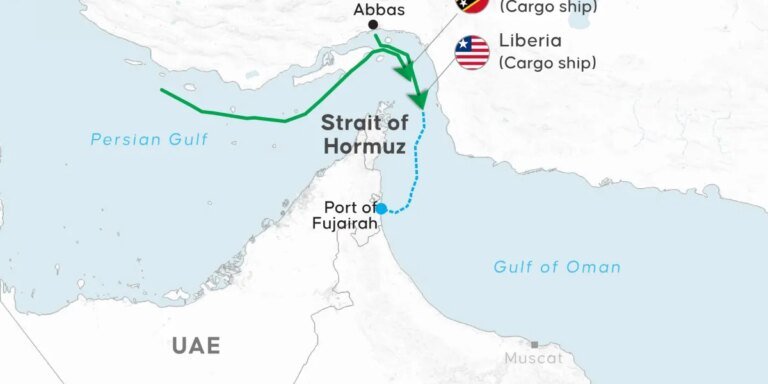
Criticism of Netanyahu intensified, especially from the opposition, highlighting the lack of decisive victories amidst ongoing conflicts. Furthermore, there is an emerging unease regarding American support for Israel in light of recent hostilities and the U.S.’s shifting priorities. Contrasting perspectives between Israeli aims—such as addressing Iran’s nuclear capabilities—and U.S. interests—ensuring security in the Strait of Hormuz—have surfaced in discussions.
As the timeline for forthcoming elections approaches, the relationship between Netanyahu and U.S. President Trump remains crucial, casting a spotlight on future diplomatic engagements and their potential implications.
Why this story matters:
- The ongoing conflict and negotiations could significantly influence Middle Eastern stability and U.S.-Israeli relations.
Key takeaway:
- The ceasefire has not resolved core threats, and Netanyahu’s ability to navigate the situation amid political pressures is critical.
Opposing viewpoint:
- Critics argue that Netanyahu’s leadership during the conflict has been ineffective, with many questioning the rationale behind prolonged military engagements.