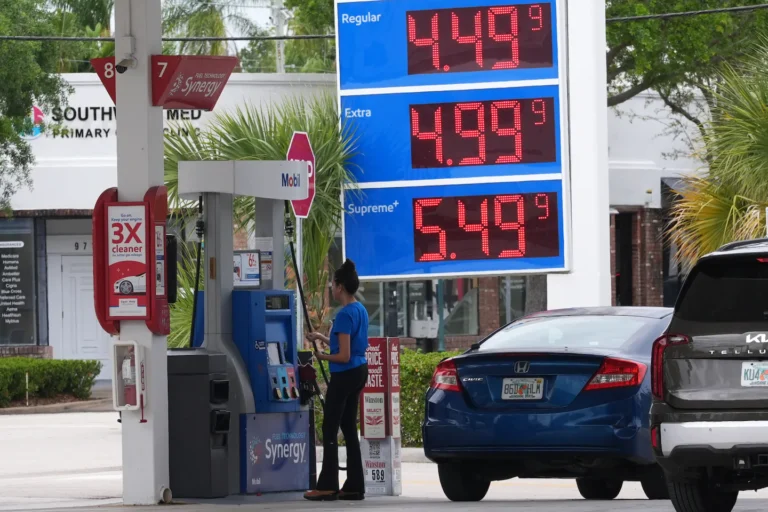



A rise in oil prices linked to the ongoing conflict in Iran is particularly impacting lower-income households, which are already facing financial strains. Data from Bank of America indicated that, since the war began, the annual spending growth rate for these households—excluding gasoline—has slowed significantly due to higher energy costs. Conversely, higher-income households have shown stable spending patterns, reinforcing the K-shaped economic recovery, where wealthier consumers continue to sustain overall economic figures while lower-income families struggle.
However, despite their ability to spend, higher-income consumers are beginning to voice concerns about the economic situation. The University of Michigan’s consumer sentiment index dropped more than three points to 53.3 in March, with a more pronounced decline among higher earners. Joanne Hsu, director of the survey, noted that rising gas prices and fluctuating financial markets during the Iran conflict have negatively impacted the sentiment of wealthier individuals. Goldman Sachs highlighted that a potential stock market correction poses a significant risk to economic stability, as a downturn could lead to reduced spending from higher earners, exacerbating the struggles of lower-income households.
As the stock market faces increased volatility, with three major U.S. indexes entering correction territory, there is growing apprehension about the long-term effects of the Iran conflict on consumer spending and economic inequality. Observers suggest that should the conflict persist, the economic divide may widen, further straining lower-income consumers.
Why this story matters
- Highlights the economic divide exacerbated by rising oil prices and geopolitical conflicts.
Key takeaway
- While higher-income households remain financially stable, their growing concerns about the economy could signal future spending reductions.
Opposing viewpoint
- Some analysts argue that wealthier consumers are insulated from immediate effects, thanks to their accumulated assets.