



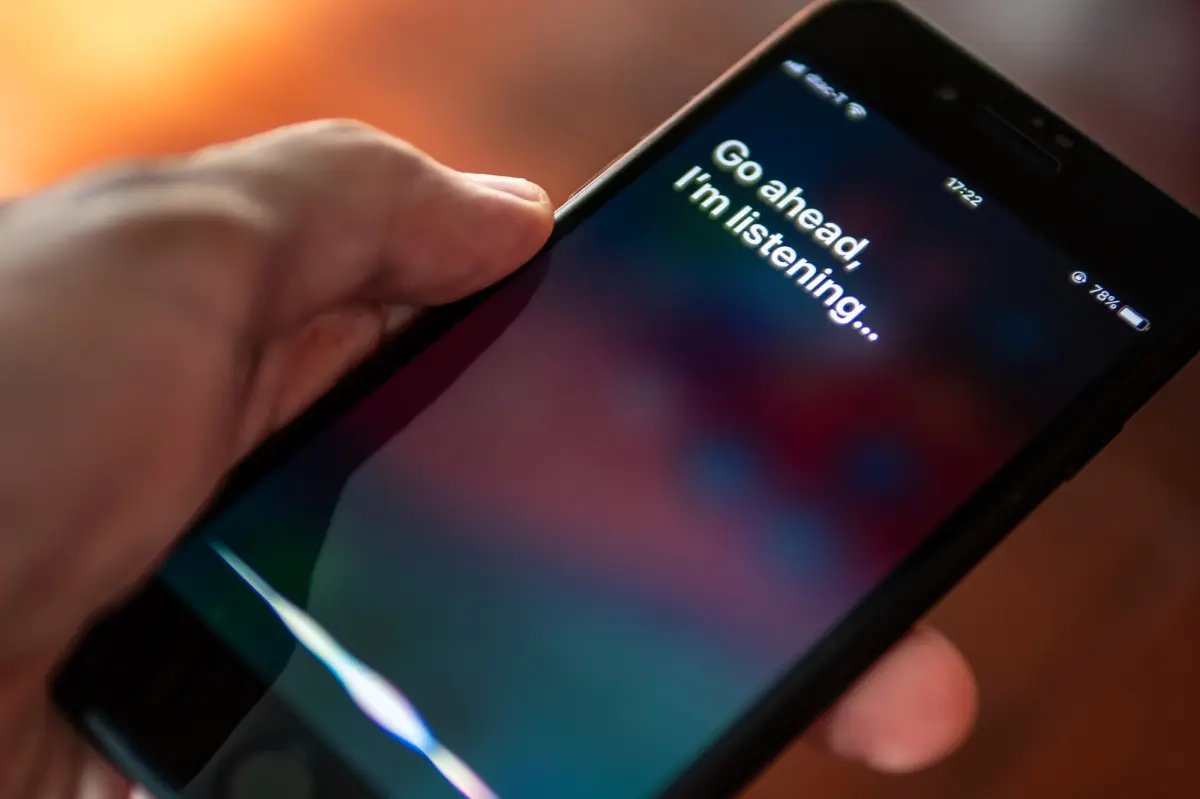
Google and Apple have agreed to pay a combined $163 million to settle allegations of unauthorized eavesdropping on users through their voice-activated assistants, Siri and Google Assistant. The class-action lawsuits claimed that both companies recorded conversations without users explicitly invoking their wake words, “Hey Siri” and “OK Google,” leading to targeted advertising based on those discussions.
Apple has initiated payments to settle a $95 million class-action complaint. Court documents indicate that some users experienced unwanted advertisements for brands, such as Olive Garden and Air Jordan, related to private conversations that were recorded. Eligible individuals include those who purchased various Apple devices between September 17, 2014, and December 31, 2024, and experienced unintentional activations of Siri. Compensation is capped at $20 per device, with a maximum allocation of five devices per individual.
Similarly, Google has reached a tentative settlement of $68 million regarding its Assistant. This agreement, arising from a 2019 lawsuit, remains subject to judicial approval. Users who bought Google-made devices with associated Gmail accounts from May 18, 2016, to December 16, 2022, are included in the settlement.
Both companies have denied any wrongdoing, emphasizing that they were not operating unlawfully. Apple has since shifted its policy, requiring users to opt in before their audio recordings are used to enhance Siri.
Historically, Apple has faced scrutiny over its privacy practices; in 2020, it paid $113 million to settle a lawsuit concerning the performance of older iPhone models.
Why this story matters:
- Raises significant concerns about user privacy and data security in voice-activated technology.
Key takeaway:
- Both tech giants have settled for substantial sums while denying any misconduct, showcasing the ongoing scrutiny of their practices.
Opposing viewpoint:
- The companies argue that they have taken steps to enhance user privacy and deny any malicious intent behind the recorded conversations.