

Mortgage rates are declining, home prices are stabilizing, and the supply of homes for sale is on the rise, contributing to greater affordability for homebuyers. However, the challenge of saving for a down payment remains the most significant barrier for first-time buyers. According to Parcl Labs, national home prices are essentially flat when compared to last year, recently recording a modest 0.3% increase year-over-year. The S&P CoreLogic Case-Shiller home price index for October unveiled notable variations across metropolitan areas, with Chicago, New York, and Cleveland witnessing the most substantial price increases. Conversely, cities like Tampa, Florida; Phoenix; and Dallas experienced notable declines.
Nicholas Godec of S&P Dow Jones Indices noted that national home prices are trailing consumer inflation, which is currently estimated at around 3.1%. This discrepancy suggests a slight decline in real terms of home values over the past year.
On the mortgage front, the average rate for a 30-year fixed mortgage now stands at 6.19%, down from over 7% at the beginning of the year. This decrease translates to significant savings for homebuyers; for instance, a buyer putting down 20% on a home valued at $410,000 would save approximately $200 monthly compared to a year ago. Despite the improved conditions, the average time needed to save for a down payment remains seven years, although this is an improvement from a peak of twelve years in 2022.
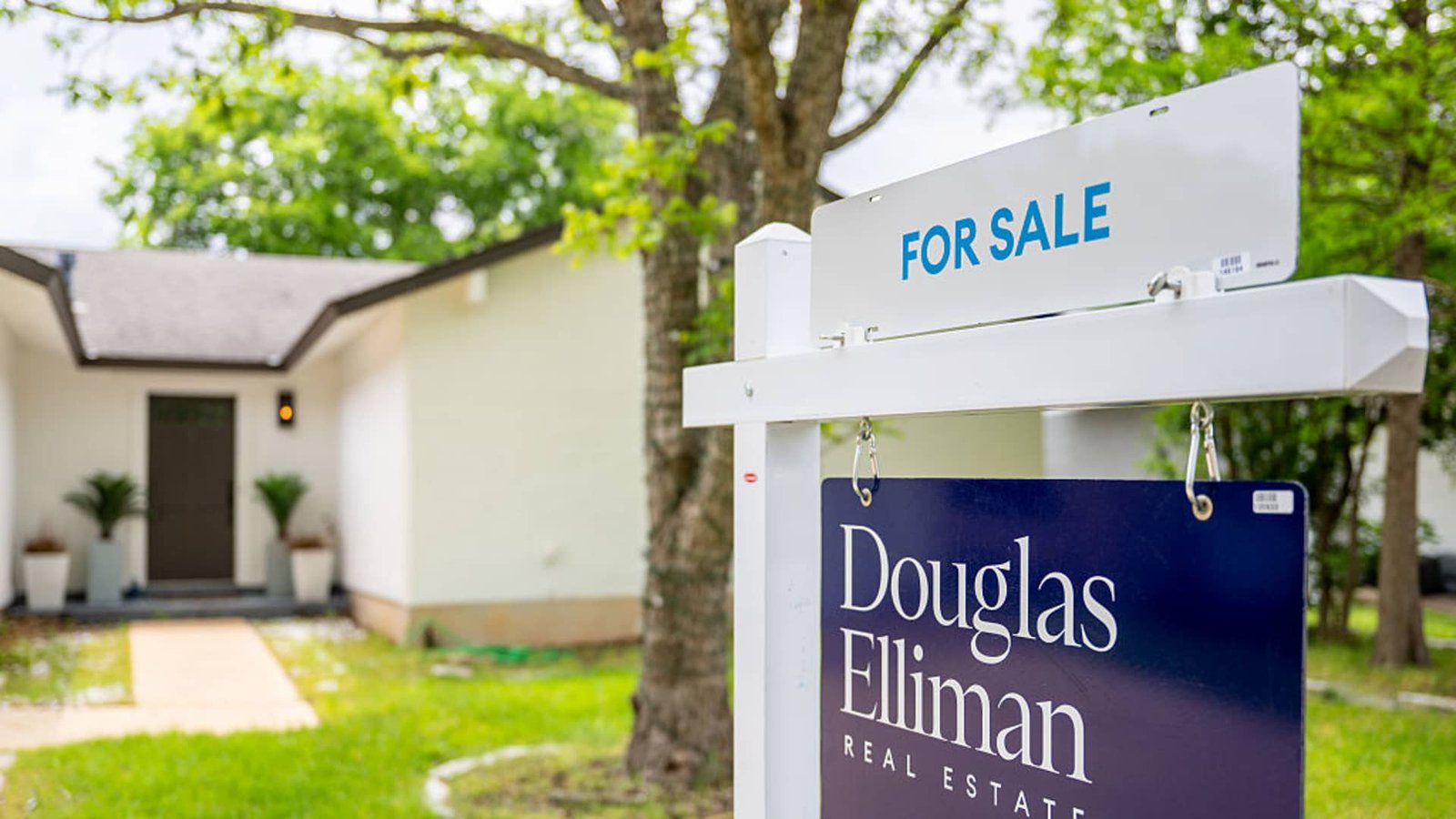
More homes are hitting the market, with active listings up about 12% from last year. Pending home sales have also shown positive growth, rising 3.3% from October and reaching the highest level in nearly three years.
Why this story matters: Indicates a potential recovery in the housing market, beneficial for buyers.
Key takeaway: Improved mortgage rates and increased supply are enhancing affordability, yet saving for a down payment remains a key issue.
Opposing viewpoint: Despite positive trends, affordability challenges persist, keeping homeownership out of reach for many.