

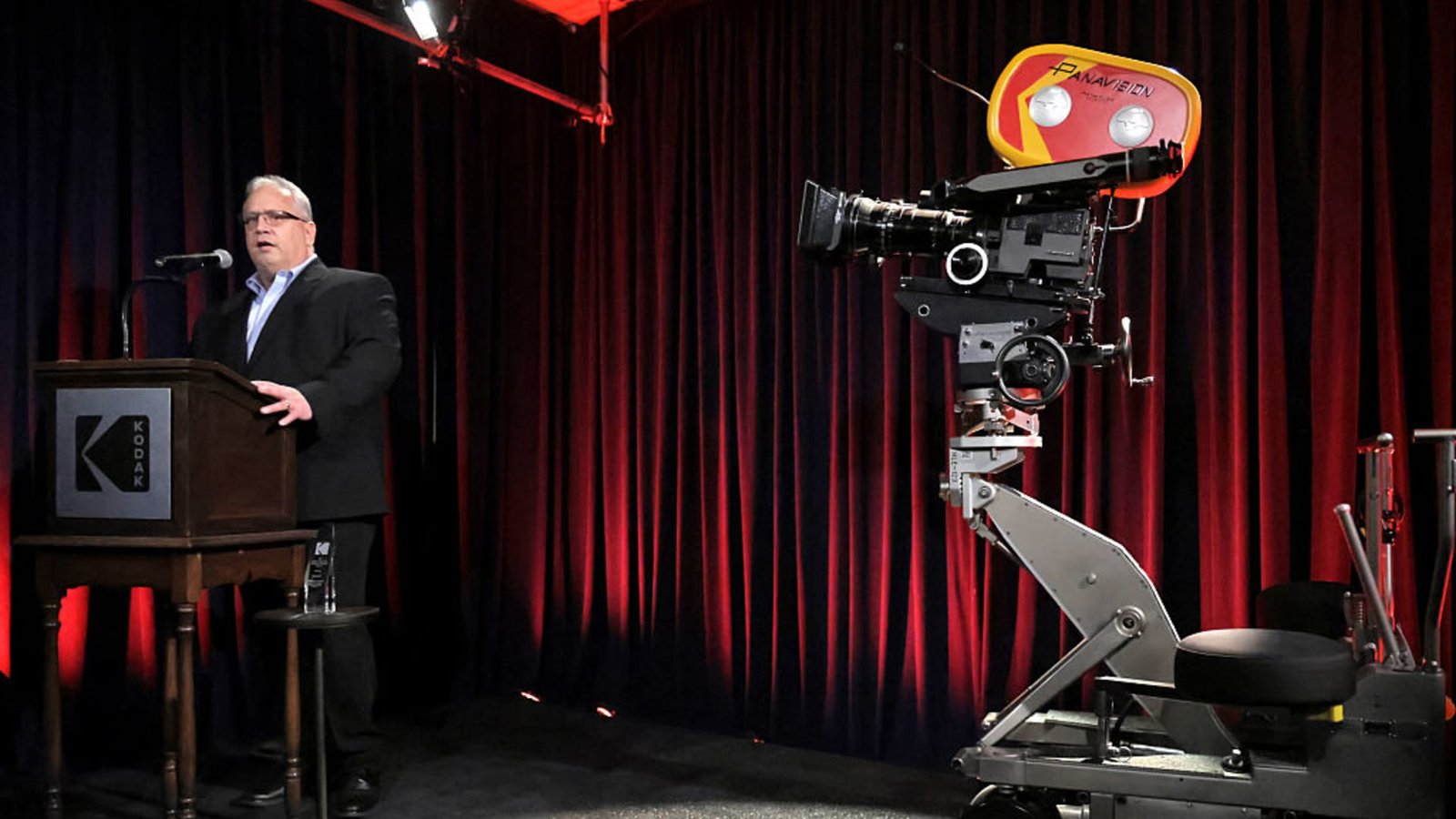
Jim Continenza began his tenure as Eastman Kodak’s executive chairman in 2019 under challenging circumstances. On his first day, he received advice from acclaimed filmmaker Christopher Nolan, who expressed concerns over Kodak’s decision to shut down its acetate factory, a critical component for film production. Continenza, who is also Kodak’s current CEO, heeded Nolan’s warning, recognizing the importance of film to Kodak’s legacy and potential revival.
Since then, Kodak has seen a resurgence in film usage, with several notable films winning Oscars and a growing trend among younger consumers embracing analog photography. Despite this progress, Kodak faced financial hurdles, declaring bankruptcy in 2012 before emerging as a smaller entity focused on commercial printing. The company reported a 12% drop in gross profit last year, raising concerns about its long-term viability.
Recently, Kodak’s financial outlook improved, with a fourth-quarter gross profit of $67 million—a 31% increase from the previous year—and a significant decrease in annual interest expenses. Continenza believes this progress is part of a broader strategy to rebuild Kodak’s foundation after years of decline, including a significant leadership overhaul and a focus on print and advanced materials.
However, Kodak continues to grapple with challenges, including hefty debt and fluctuating stock prices. Continenza emphasized a long-term approach to stabilizing the company and restoring investor confidence. By aligning Kodak with the growing interest in film, he aims to foster a new generation of film enthusiasts and ensure the company’s sustainability.
Why this story matters:
- The revival of Kodak highlights the potential for traditional industries to adapt in a digital age.
Key takeaway:
- Leadership changes and strategic refocus can pave the way for corporate recovery and long-term growth.
Opposing viewpoint:
- Critics argue that Kodak’s past missteps may hinder its ability to regain market relevance in a rapidly evolving digital landscape.