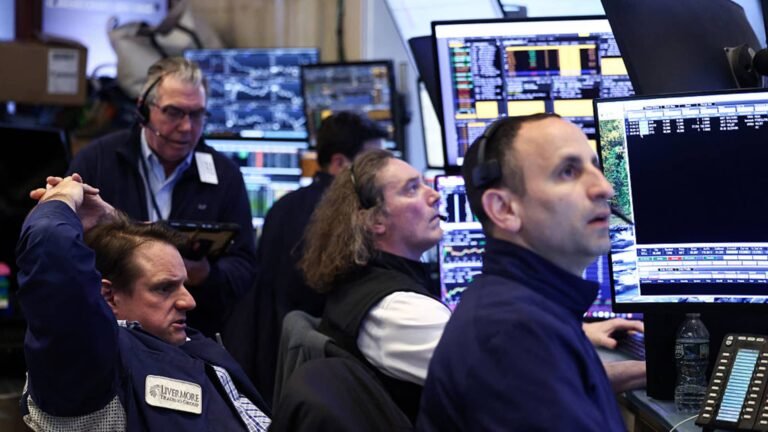



Market sentiment has become cautious as concerns over an overvalued tech sector loom, coupled with recent declines in precious metals and a downturn in Bitcoin, which has breached vital support levels. The anticipated shift in leadership at the Federal Reserve further contributes to the unease felt across major market segments.
After an extended period of bullish activity, major sectors are experiencing a pullback, causing volatility for many traders. In times of market decline, it is essential for traders to maintain emotional discipline and adhere to established trading rules. This includes strategies such as avoiding over-investment in any trend, taking profits during rallies, and cutting losses quickly.
A structured approach to trading can help in navigating these fluctuations. Recognizing psychological patterns that drive market movements is key to success. Traders often observe a seven-step lifecycle in stock price movements influenced by human emotions:
- Pre-spike base: Initial consolidation phase.
- Breakout/first green day: Stock gains momentum, attracting traders.
- Continuation/gap-and-go: Stock continues to climb post-surge.
- Blow-off top: Rapid price increase stalls.
- First red day: Initial signs of trend reversal.
- Panic washout: Market overreaction creates potential buying opportunities.
- Bounce/base rebuild: Price fades, followed by a potential new base forming for future cycles.
Effective trading does not require advanced mathematical skills but a disciplined approach to studying patterns and executing a consistent strategy.
Why this story matters
- The market’s current instability highlights the importance of emotional control in trading.
Key takeaway
- Traders should adhere to rules and recognize the psychological cycles driving market behavior to mitigate losses.
Opposing viewpoint
- Some traders argue that focusing too heavily on patterns may overlook other critical market factors that could influence outcomes.