


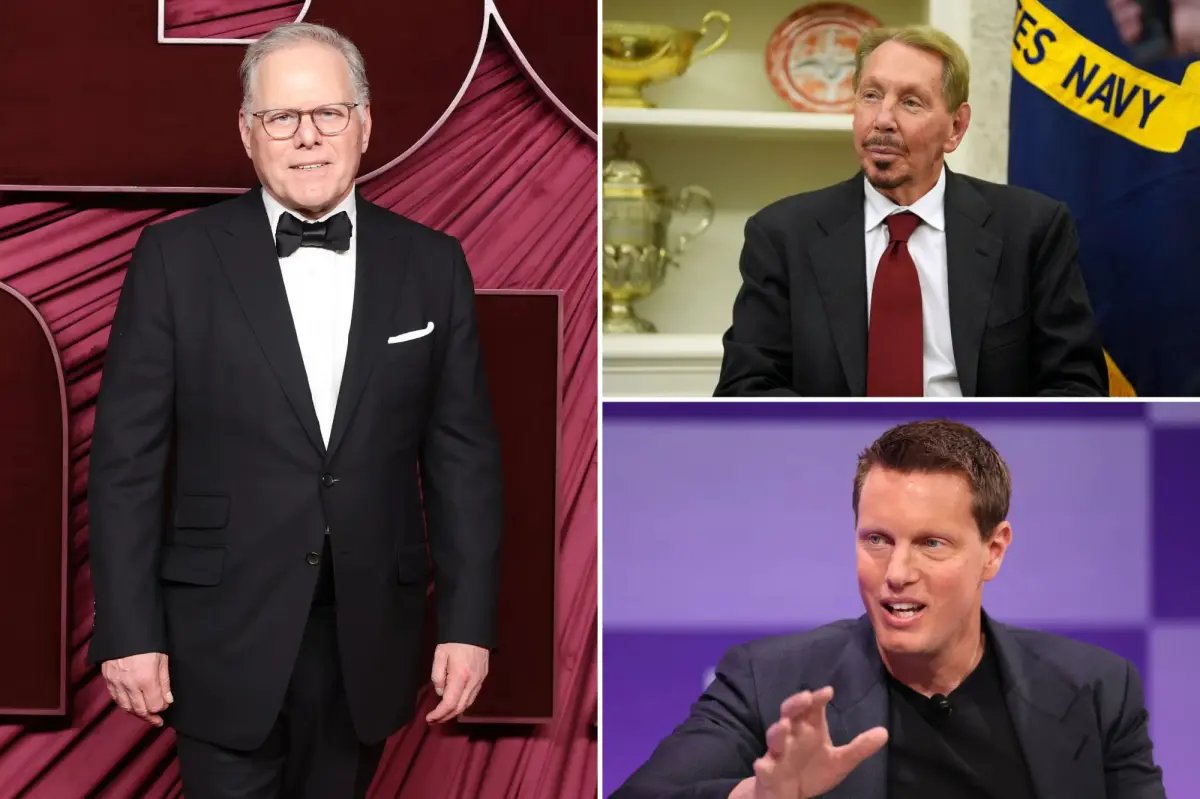
David Zaslav, CEO of Warner Bros. Discovery (WBD), has successfully navigated a complex sale of the media conglomerate for $72 billion, significantly increasing its value within months. This move marks a notable resurgence in his executive career.
The process began in September when WBD’s stock was struggling at approximately $12 per share, slightly above a one-year low of $7.50. Amidst this backdrop, Paramount Skydance, led by David and Larry Ellison, offered $23.50 per share—around $56 billion—for WBD, which includes its studio, the HBO Max streaming service, and major cable channels like CNN and HBO. Initially viewed as a probable deal due to the Ellisons’ financial backing and favorable regulatory positioning, the sale took unexpected turns.
Zaslav, trained by notable executives such as Jack Welch and John Malone, was prepared to revamp the company’s strategy. Despite facing challenges, including a major studio’s financial losses, significant debt, and criticism regarding shareholder value, he focused on streamlining operations and enhancing the performance of HBO Max, now recognized as the third largest streaming service in the industry.
As negotiations progressed, Zaslav opened discussions with potential buyers including Amazon, Apple, Comcast, and Netflix, refining his price target to $30 per share. The competition intensified, with Netflix’s Ted Sarandos driven by the potential to acquire top-tier content. The bidding culminated with Netflix securing the acquisition at $30.75 per share, while the Ellisons expressed intentions to counteroffer.
This dynamic situation illustrates the evolving landscape of media consolidation, driven by strategic decisions and competitive bidding wars.
- Why this story matters: Highlights the significant shifts in the media industry and the impact of strategic leadership on company valuation.
- Key takeaway: Effective negotiations and strategic positioning can lead to substantial financial outcomes in corporate mergers.
- Opposing viewpoint: Critics may argue that focusing on mergers and acquisitions detracts from addressing underlying operational challenges within the media conglomerate.