



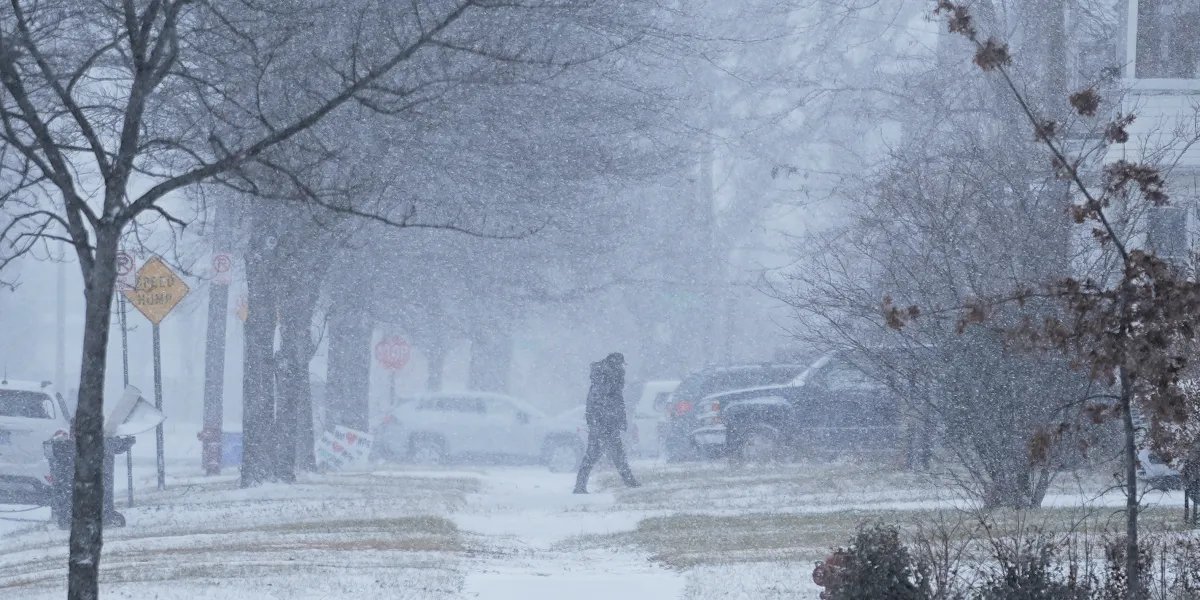
A powerful Arctic air mass swept through the Great Lakes and Northeast on Tuesday, bringing harsh winds, heavy snowfall, and freezing temperatures, following a bomb cyclone that impacted the Midwest and left many without power.
The National Weather Service reported that temperatures dropped below freezing, even reaching as far south as the Florida Panhandle. The winter storm affected various regions, causing hazardous travel conditions due to a combination of snow, ice, and rain. This rapid intensification of the storm met the criteria for a bomb cyclone, characterized by significant pressure drops.
In addition to treacherous driving conditions, the storm left over 115,000 customers nationwide without power, with approximately a third in Michigan alone. With the storm moving toward Canada, forecasters indicated that the accompanying frigid air would lead to increased lake-effect snowfall in areas downwind of the Great Lakes. Some regions, particularly in western and upstate New York, experienced snowfall accumulating to over a foot, with totals expected to reach up to three feet throughout the week.
Reports also highlighted the impact of strong winds, including gusts reaching 81 mph in Buffalo, which contributed to fallen trees and damaged infrastructure. While whiteout conditions remained a possibility in some areas, officials urged residents to avoid unnecessary travel.
As the extreme weather persisted, residents like Kevin Aldrich were astonished by record low water levels in Lake Erie, exposing old piers and debris. Meanwhile, dangerously low wind chills were recorded in parts of North Dakota and Minnesota, along with nearly hurricane-force winds reported in West Virginia.
Why this story matters: The severe weather conditions illustrate the growing impact of winter storms across the U.S., affecting travel, infrastructure, and local communities.
Key takeaway: The Arctic air mass and bomb cyclone resulted in dangerous conditions, power outages, and significant snowfall across multiple states.
Opposing viewpoint: Some may argue that winter storms are a normal part of seasonal weather patterns and call for better preparedness rather than overemphasizing the dangers.