


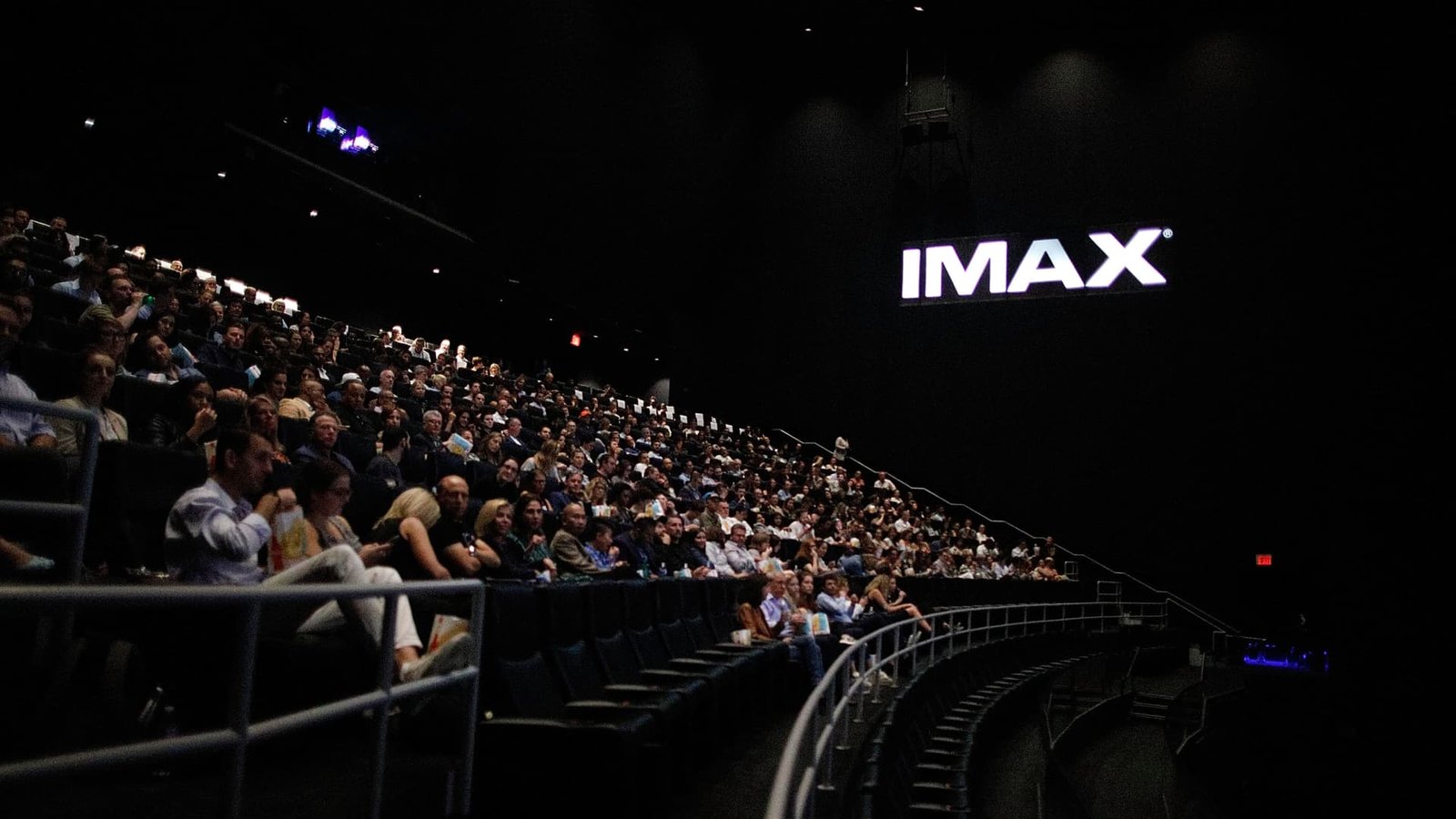
Imax has experienced significant growth amid the ongoing challenges facing the theatrical industry. In 2025, Imax shares surged over 44%, highlighted by a record global box office revenue of $1.28 billion—a 40% increase from 2024 and 13% higher than its previous record in 2019. In stark contrast, shares of theaters such as AMC, Cinemark, and Marcus Theatres fell sharply, with AMC down more than 60% and Cinemark declining by 25%.
Despite a rebound in domestic ticket sales since the pandemic, they remain 25% lower than pre-COVID levels. The total box office for 2025 did not meet analysts’ expectations of $9 billion, raising concerns about the industry’s long-term sustainability. Consumer preference appears to be shifting towards streaming services, complicating the recovery for theater operators. The decrease in new film productions, influenced by ongoing financial pressures and recent labor strikes, has further hampered the industry.
Imax, however, has benefited from the trend towards premium large formats (PLFs), which accounted for over 16% of domestic ticket sales in 2025. The company’s model is asset-light, relying on partnerships with theater chains to install its technology, sharing box office revenue instead of owning physical locations. This allows Imax to remain profitable while competitors struggle under heavy debt loads.
With a promising slate of major releases for 2026, including titles from Disney and Universal, Imax anticipates another record-breaking year, projecting $1.4 billion in global box office earnings. In contrast, competitors are still addressing financial burdens exacerbated by the pandemic and evolving consumer habits.
Why this story matters:
- It highlights the disparities in the theatrical industry and how companies are adapting to changing consumer behaviors.
Key takeaway:
- Imax is capitalizing on its asset-light model and premium offerings, while traditional theater chains face considerable financial challenges.
Opposing viewpoint:
- Skeptics argue that the ongoing decline in box office revenues and reduced film production could lead to a more permanent downturn for theaters.