

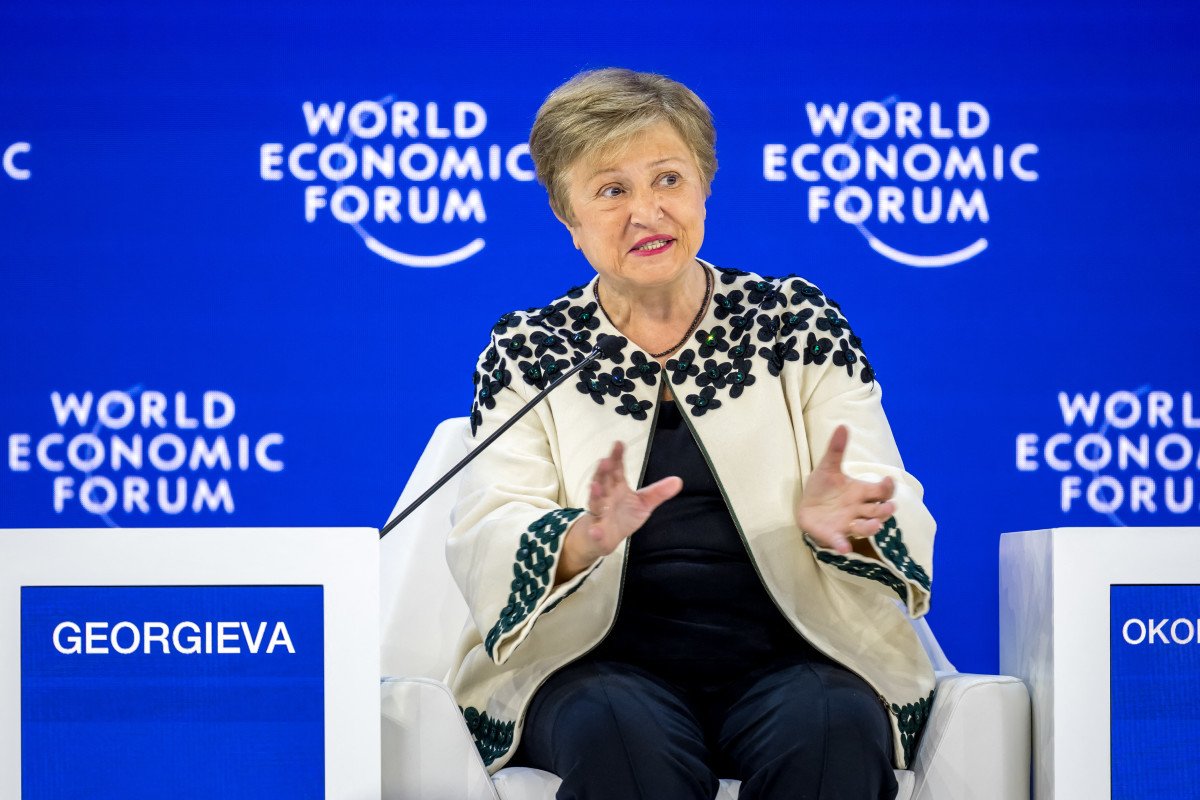
The global economy is currently perceived as resilient; however, the ongoing conflict in Iran poses significant risks that could undermine this stability. Kristalina Georgieva, Managing Director of the International Monetary Fund (IMF), recently emphasized that the struggle against rising inflation is far from over. She highlighted how the recent spike in oil prices, driven by the Iran war, could disrupt global markets, increasing inflation while simultaneously hampering economic growth.
As the U.S. grapples with inflationary pressures, the timing of this geopolitical upheaval is particularly challenging. Brent crude prices have surged almost 23% since the onset of the conflict, climbing from approximately $73 to $90 per barrel. In response to these developments, several banks have adjusted their Brent price forecasts for the coming years. For instance, Goldman Sachs increased its mid-term forecast, while Standard Chartered and UBS also raised their projections.
Georgieva noted that governments and central banks may have less room to respond to new economic shocks compared to previous crises, creating a precarious situation for the U.S. As she stated, “We cannot take the victory against inflation as given,” cautioning that disinflation progress should not be considered permanent. This situation underscores the vulnerability of the U.S. economy to external price pressures, which could maintain inflationary pressures and hinder growth.
As inflation remains a concern, the latest Consumer Price Index figures suggest a complex trajectory, reflecting prior inflation peaks and subsequent declines but still remaining above the Federal Reserve’s long-term goal.
Why this story matters: Heightened oil prices from geopolitical tensions could complicate the ongoing efforts to stabilize inflation and economic growth.
Key takeaway: The battle against inflation is ongoing, with external factors like the Iran conflict potentially disrupting recent progress.
Opposing viewpoint: Some analysts suggest that the U.S. economy may show signs of resilience that could buffer against these external shocks.