
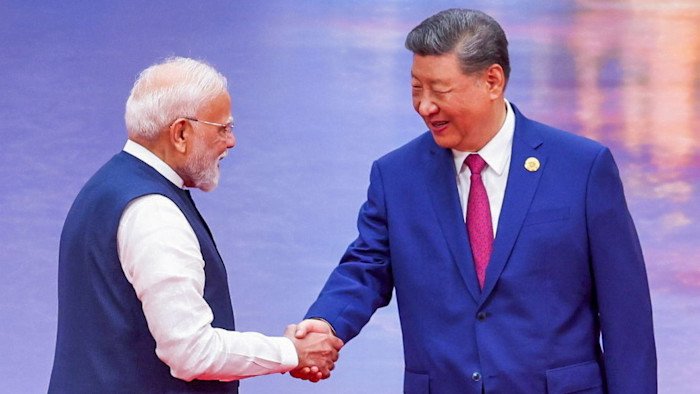
India has eased restrictions on Chinese investments as its economy faces pressures from rising energy prices amid ongoing geopolitical tensions. The Indian Cabinet, led by Prime Minister Narendra Modi, approved new guidelines allowing investments in key sectors, including capital goods, electronics, and solar cells from neighboring countries. Although the statement did not explicitly mention China, the changes follow stringent regulations imposed after border disputes between the two nations.
The government’s new rules, termed Press Note 3, previously required all investments from land-border-sharing countries to receive government approval. However, under the revised guidelines, investments from entities with less than 10% Chinese ownership can proceed without such approval, and authorities now have a 60-day timeframe to decide on investments in critical areas like electronics and solar technology.
The easing of restrictions comes at a time when India is also navigating its complex relationship with the United States, its largest trading partner. Recent tensions over India’s importation of Russian oil and a rise in tariffs on Indian exports have prompted New Delhi to seek diversification of its trade and to strengthen ties with other partners, including the European Union.
Economic experts emphasize the importance of boosting foreign direct investment (FDI) inflows to mitigate risks associated with high oil prices and a widening current account deficit. Although China remains a significant trading partner, Chinese FDI in India has seen a considerable decline.
This shift in policy is anticipated to attract greater investments in Indian manufacturing, which currently lags behind Modi’s target growth levels, while also facilitating essential technological advancements, particularly in sensitive sectors like electric vehicles.
Why this story matters:
- Easing restrictions may significantly influence India’s economic recovery and foreign investment landscape.
Key takeaway:
- The revised investment guidelines aim to bolster FDI inflows amidst rising global uncertainties and regional tensions.
Opposing viewpoint:
- Critics may argue that relaxing regulations on Chinese investments poses potential risks to national security and economic sovereignty.