



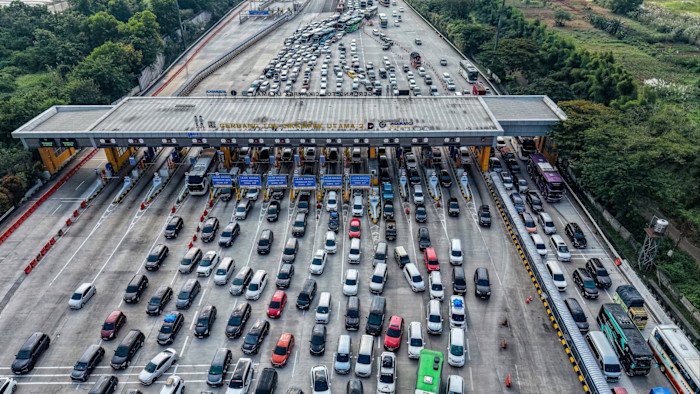
Farah Fauzia and her extended family have altered their Eid-al-Fitr travel plans this year due to rising global energy prices. Historically, they would travel to a rented villa in Bandung, but concerns over potential gasoline shortages have prompted them to celebrate at her grandmother’s house in Bekasi, near Jakarta. “We are worried that there will be a shortage of gasoline later,” Fauzia noted, reflecting widespread apprehensions as the conflict involving the US and Israel against Iran drives oil prices above $100 per barrel.
Indonesia, the largest Muslim-majority nation with over 140 million expected travelers, is facing an oil supply challenge amid a significant holiday migration. This “mudik,” or homecoming, period typically sees a surge in travel as individuals journey from major cities to rural areas, raising concerns about potential fuel scarcity. Despite some Southeast Asian countries implementing measures like four-day work weeks to conserve fuel, Indonesia has not taken similar actions.
While the government claims adequate fuel supplies, with reserves estimated at approximately 25 days, questions about replenishment remain as the travel period coincides with ongoing geopolitical tensions. Energy Minister Bahlil Lahadalia assured citizens that the situation remains stable, although some industry voices urge caution, suggesting that regulation may be necessary to manage consumption during this peak travel time.
As the economic landscape becomes increasingly challenging, a potential post-holiday fuel shortage could have broader implications for Indonesia, which relies heavily on imported oil. Observers warn that rising oil prices could stress the government’s budget and exacerbate the difficulties faced by consumers and industries.
Key points:
- Why this story matters: Rising global oil prices could impact millions of Indonesians during a significant holiday travel period.
- Key takeaway: Concerns over potential fuel shortages and the government’s ability to manage oil supplies amid geopolitical tension and economic challenges persist.
- Opposing viewpoint: Some experts assert that while current supplies are sufficient, proactive measures should be implemented to prevent post-holiday shortages.