

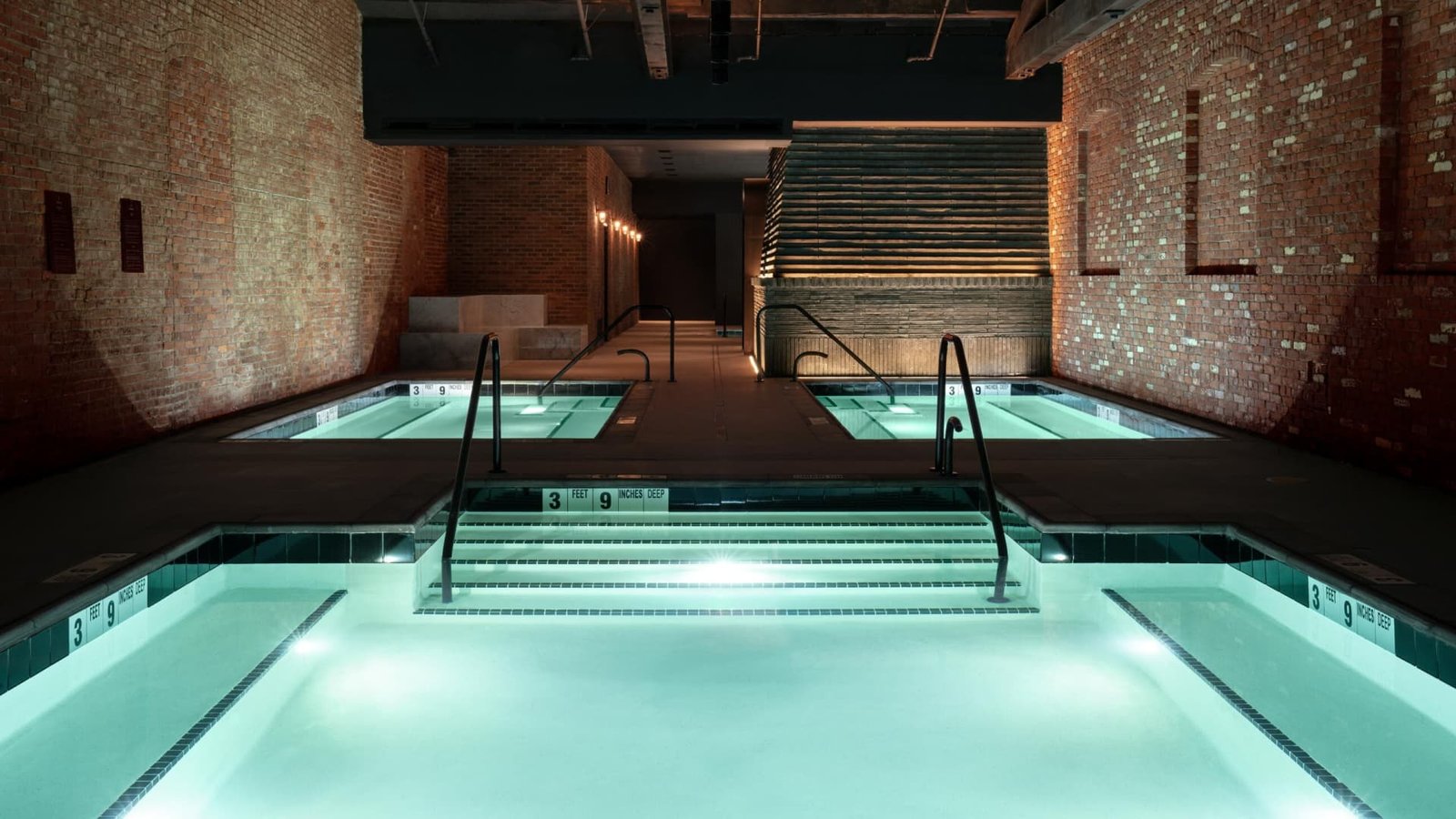
Grace Guo, a New Yorker in recovery, sought new social spaces free from alcohol, leading her to discover wellness-oriented clubs like Bathhouse and Othership. These venues emphasize health and community, catering to individuals seeking meaningful connections beyond traditional nightlife. Bathhouse, established in 2019 in Brooklyn, anticipates significant revenue growth, projecting around $120 million for the year. This trend reflects a broader movement as wellness spaces gain popularity, particularly after the pandemic highlighted the mental health crisis stemming from loneliness.
The concept of “third spaces,” described by sociologist Ray Oldenburg, includes public environments like coffee shops and libraries—places that foster community outside home and work. Recently, these spaces have evolved to cater to health-conscious consumers. Richard Kyte, a professor studying third spaces, notes that the pandemic raised awareness of loneliness, propelling interest in such environments.
Despite the high costs often associated with these wellness spaces, the demand continues to grow amid a digital age where social media connections can leave individuals feeling isolated. Companies like Othership aim to create alcohol-free community experiences, supporting members in forming genuine relationships. Similarly, Glo30, a skincare membership studio, offers treatments that serve to cultivate community among members through shared experiences.
In this environment, businesses are recognizing the unique role of wellness in fostering connections, as community-building efforts gain traction across various sectors.
Bold Points:
- Why this story matters: The rise of wellness clubs highlights a societal shift toward healthier, alcohol-free socializing amid growing concerns over loneliness, particularly post-pandemic.
- Key takeaway: Third spaces focused on wellness are becoming increasingly popular as people seek meaningful connections and community beyond traditional social settings.
- Opposing viewpoint: Some may argue that high membership costs for wellness spaces limit accessibility, potentially excluding those who cannot afford such experiences.