


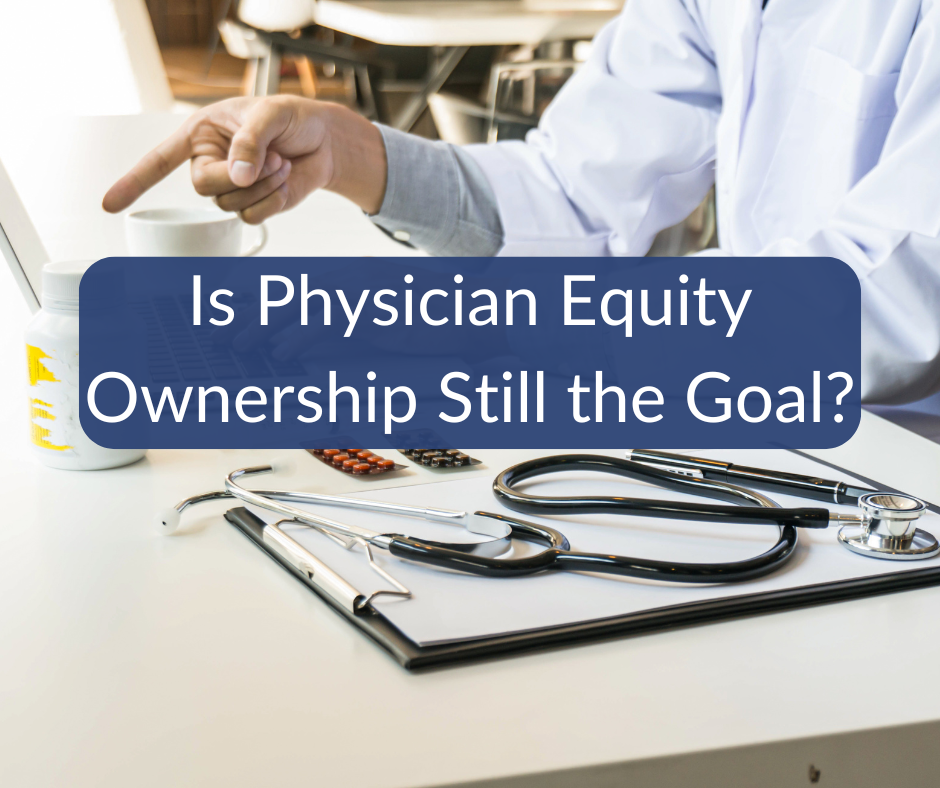
The landscape of medical practice ownership is shifting significantly as corporate buyouts and private equity investments dominate the healthcare sector. The once-coveted goal of owning a piece of a medical practice has become increasingly elusive, leading many physicians to reconsider whether equity ownership remains a relevant aspiration.
Insights from Sermo, a private community for physicians, reveal a divided sentiment among medical professionals regarding practice ownership. A recent poll indicated that 25% of doctors maintain a full or partial stake in their practices, while 37% expressed interest in ownership opportunities despite lacking equity. This contrasts with the American Medical Association’s findings, which show that the percentage of physicians in private practice dropped from 60.1% in 2012 to 42.2% in 2024. Such trends reflect a generational shift towards hospital employment, often seen as offering job security and improved work-life balance, though at the cost of professional autonomy.
While some physicians still view the prospect of ownership favorably, with 36% citing higher earning potential as a primary benefit, others recognize substantial barriers. These include significant financial buy-in costs, administrative complexities, and a marked preference for stable employment among younger practitioners. Many are now exploring alternative routes to equity, such as investments in ambulatory surgery centers or telehealth startups, which provide opportunities for financial growth while preserving some degree of professional independence.
Overall, the future of physician ownership may not lie solely in traditional models, but rather in finding innovative ways to combine autonomy with economic sustainability, whether through partial ownership or diversifying income streams outside conventional medical practice.
Why this story matters
- The evolving landscape of medical ownership may affect the quality of patient care and the autonomy of physicians.
Key takeaway
- While traditional practice ownership declines, the desire for professional autonomy and financial security persists, urging doctors to explore new pathways.
Opposing viewpoint
- Some argue that employment offers benefits like stability and predictable hours, which may outweigh the challenges of ownership.