



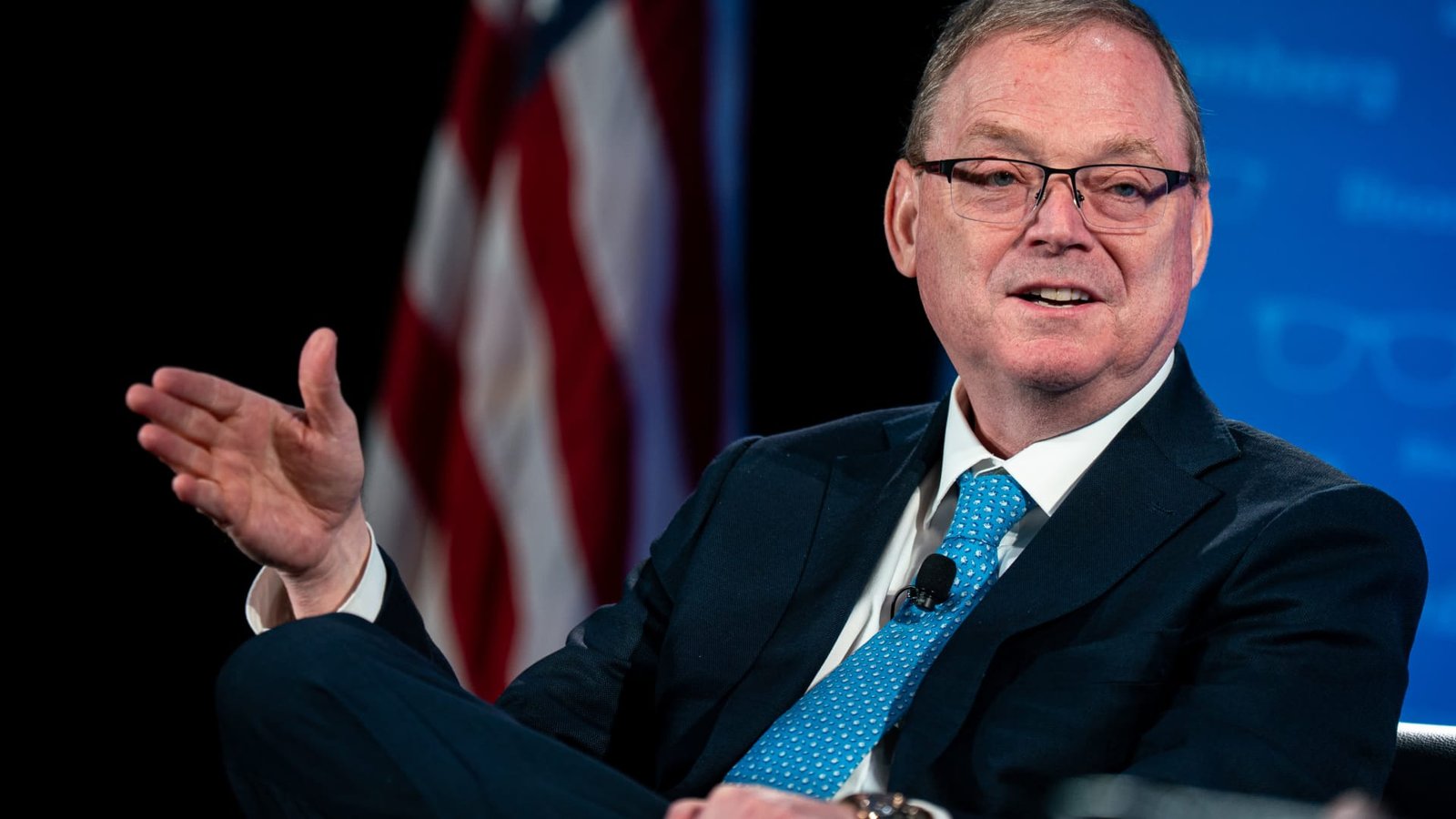
Kevin Hassett, director of the National Economic Council, addressed media at the White House, discussing potential changes in credit card access for underserved Americans. In light of President Donald Trump’s recent proposal to impose a 10% cap on credit card interest rates, which has faced significant pushback from industry leaders, Hassett presented an alternative approach.
He suggested that large U.S. banks could voluntarily offer credit cards to individuals who currently lack credit access but possess sufficient income and stability. Hassett described these individuals as being in a “sweet spot,” where they are deserving of credit without carrying significant financial leverage. He emphasized that this initiative would likely not necessitate legislation, as banks could independently create what he termed “Trump cards” for eligible consumers.
This shift in strategy indicates a potential scaling back of the administration’s push for comprehensive reforms in the credit card industry, which could have adverse effects on consumer spending and the broader economy. Amid discussions of expanding credit access, Hassett’s remarks come as some bankers express concerns over the feasibility of changes by the January 20 deadline proposed by Trump. Rather than implementing a low-interest credit model, some institutions have indicated they may need to reduce customer accounts during the fourth quarter.
Hassett mentioned ongoing conversations with CEOs from major banks, suggesting that there is an acknowledgment within the industry of the president’s objectives. However, representatives from significant banks have stated they have not yet engaged in detailed discussions concerning the proposed “Trump card” initiative.
Why this story matters:
- It highlights the administration’s attempts to improve credit access for underserved populations amid industry pushback.
Key takeaway:
- Hassett’s proposal suggests a shift from mandatory reforms to voluntary initiatives by banks to provide credit to specific groups.
Opposing viewpoint:
- Industry executives argue that capping interest rates could lead to a reduction in credit availability, rather than enhanced access for consumers.