

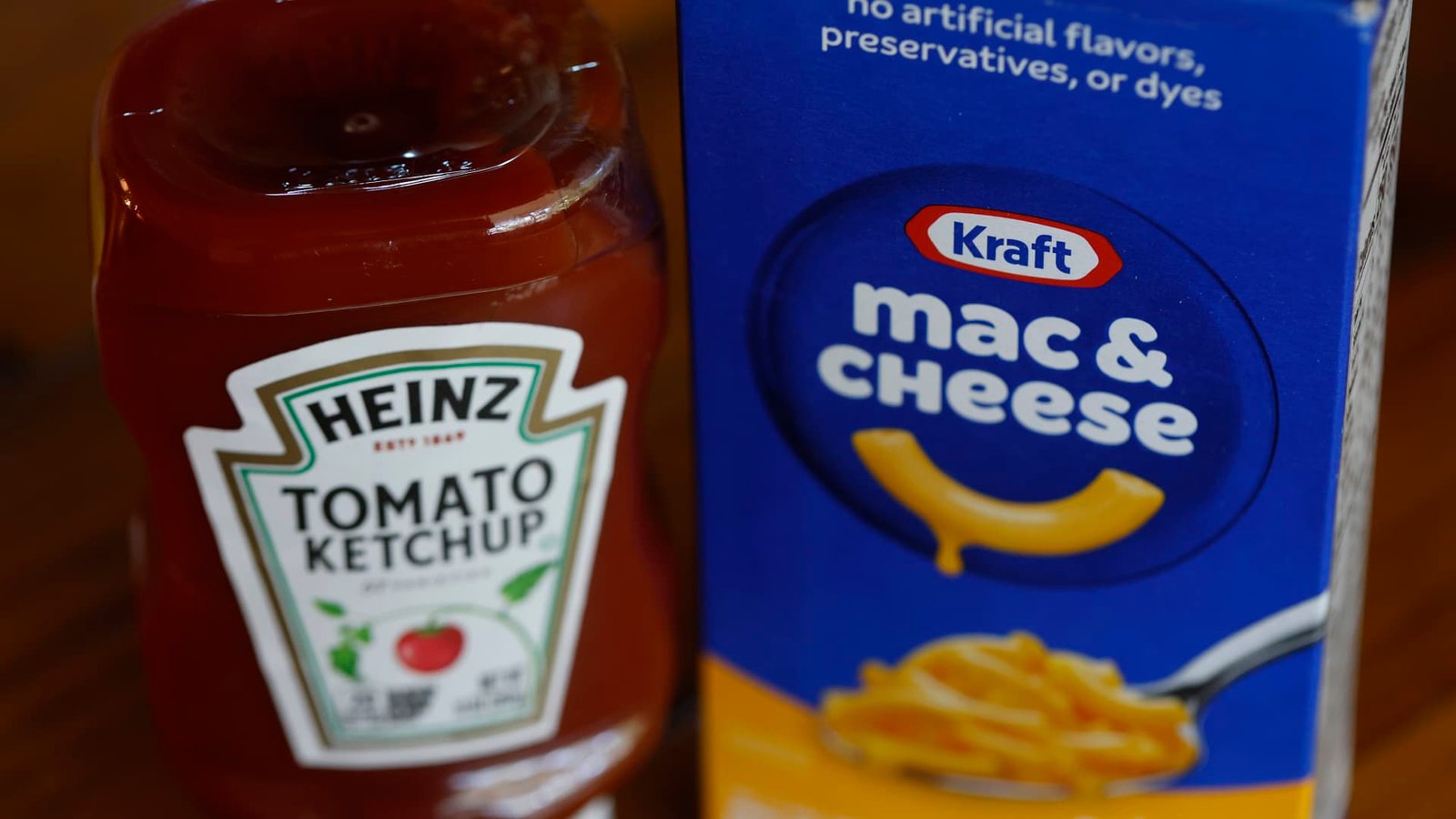
Kraft Heinz has announced its intention to separate into two individually traded companies, marking a significant shift from the 2015 merger that was facilitated by billionaire investor Warren Buffett. This decision is indicative of a broader trend within the food industry, as companies increasingly respond to consumer and regulatory pressures to reduce reliance on ultra-processed foods. The past year has seen notable split-offs, such as Unilever’s divestiture of its ice cream brand and similar plans by Keurig Dr Pepper after its acquisition of JDE Peet’s.
According to Bain & Company, divestitures accounted for nearly half of the mergers and acquisitions activity in the consumer products sector in 2024, with 42% of executives planning to sell off assets within the next three years. Food and beverage companies are facing mounting challenges, including shrinking demand and growing competition from private-label and upstart brands, leading to declining sales and stock performance.
Regulatory scrutiny has intensified as initiatives aimed at promoting healthier eating habits gain traction. As consumer preferences shift towards fresh and nutritious options, traditional brands find it increasingly difficult to retain their market share. Analysts suggest that simplifying operations through divestitures may help companies focus on core strengths and boost shareholder value.
While some industry experts advocate for these divestiture strategies, others caution that simply selling underperforming brands doesn’t address deeper operational challenges. The outlook for Kraft Heinz is uncertain, particularly with Berkshire Hathaway, its largest shareholder, planning to reduce its stake. As the trend of large food organizations divesting continues, it remains to be seen whether these changes will effectively revitalize the sector.
Why this story matters:
- Reflects a significant pivot in the food industry in response to changing consumer preferences.
Key takeaway:
- Companies are divesting underperforming brands to adapt to market pressures and potential growth.
Opposing viewpoint:
- Some analysts argue that divestitures alone won’t solve core operational issues within these companies.