



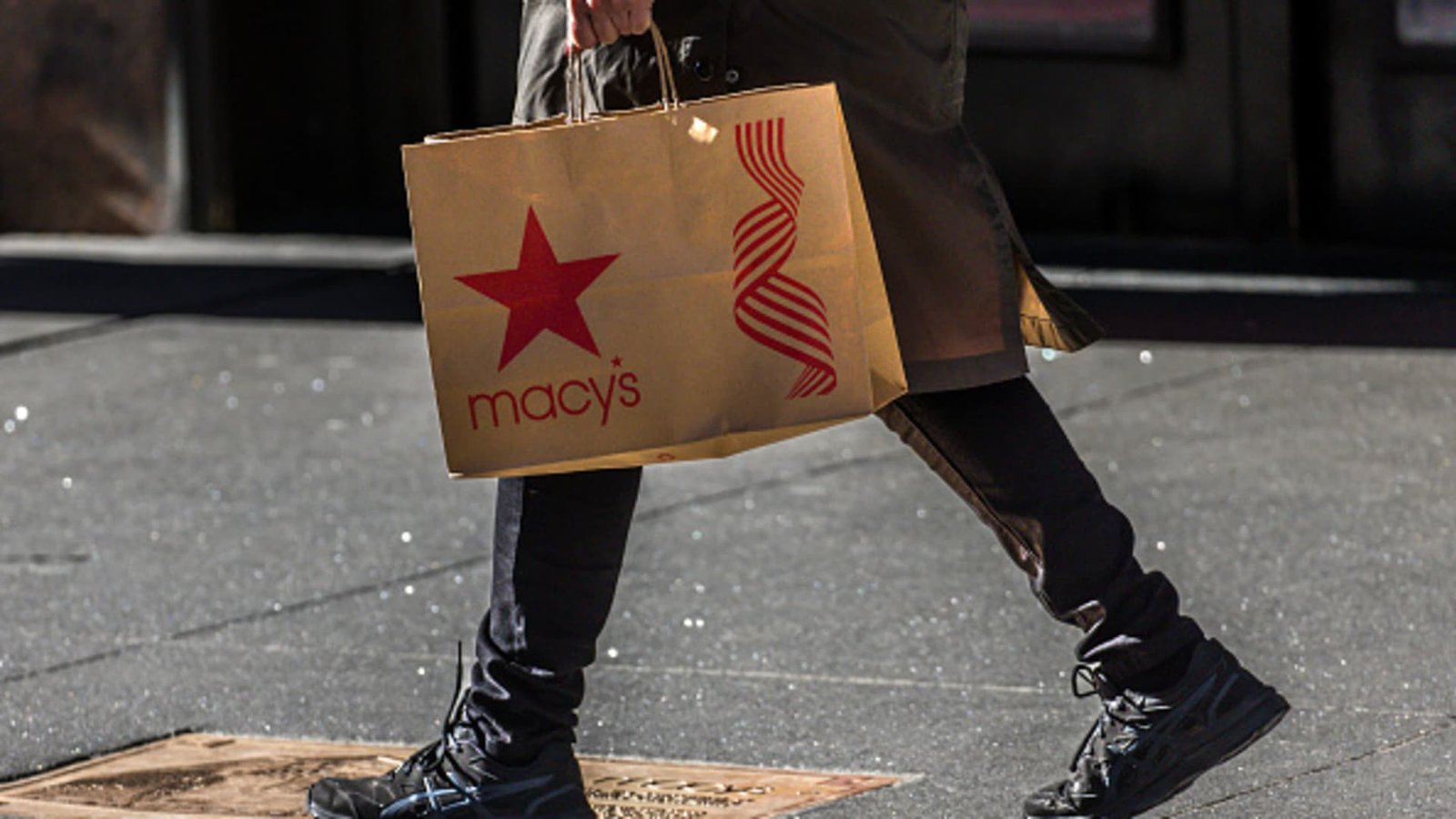
Macy’s, Inc. has reported a 2.4% decline in overall sales for the third quarter, amounting to $4.7 billion, which has prompted the company to announce plans to close 66 of its approximately 150 locations by 2026. Chairman and CEO Tony Spring characterized this decision as part of their “Bold New Chapter” strategy. Despite the sales drop, Macy’s exceeded Wall Street expectations with recent quarterly profits, demonstrating growth in its flagship brand and other retail segments, including Bloomingdale’s and Bluemercury.
For the fiscal year, Macy’s anticipates sales between $21.4 billion and $21.65 billion, indicating a slight decrease from the previous year’s $21.8 billion. Comparable sales are projected to fluctuate between a 0.5% decline and a 0.5% increase. While the company has reported a return to positive growth, Spring cautioned that various uncertainties, including fluctuating gas prices, geopolitical conflicts, and potential tariff adjustments, could impact future performance.
Macy’s has made significant strides in revamping its stores, increasing employee staffing, optimizing product assortments, and enhancing visual displays. Currently, the company has “reimagined” 200 of its stores, which have outperformed others in sales performance. Bloomingdale’s, in particular, saw a robust holiday season, attributed to its appealing product assortment and a shift in the competitive landscape following the bankruptcy of Saks Global.
Recent financial results show an adjusted earnings per share of $1.67, exceeding expectations along with a revenue of $7.64 billion. The company’s stock, which has risen approximately 30% over the past year, remains sensitive to the broader economic context that heavily influences retail spending trends.
Why this story matters: Macy’s restructuring efforts may set a precedent for the retail sector in navigating challenges.
Key takeaway: Macy’s has shown resilience and positive growth amid challenges, though uncertainties remain.
Opposing viewpoint: Some analysts express concern that ongoing store closures may alienate loyal customers and affect long-term brand perception.