


January marks a pivotal month in Manhattan’s retail leasing environment, where expectations from leading brokerages and business improvement districts depict a vibrant market. They suggest that long-empty storefronts are rapidly filling, urging tenants to act swiftly. However, on-the-ground observations reveal a less optimistic reality than the institutional data implies.
JLL claims that the prime retail market reached an all-time low in availability, dropping to 13.7%. This designation of “prime” areas includes specific districts like Soho and Herald Square, with Soho being the only area exhibiting genuinely low vacancy rates. Comparatively, London’s vacancy rate stands at a mere 6.8%, suggesting a harsher reality for New York.
While JLL touts 13.7% as historically low, this figure contrasts sharply with the nearly unoccupied landscape of Manhattan in past decades. By CBRE’s estimates, current vacancy rates hover around 15%, still reflecting an improvement from the pandemic’s peak, yet emphasizing the existing storefront gaps.
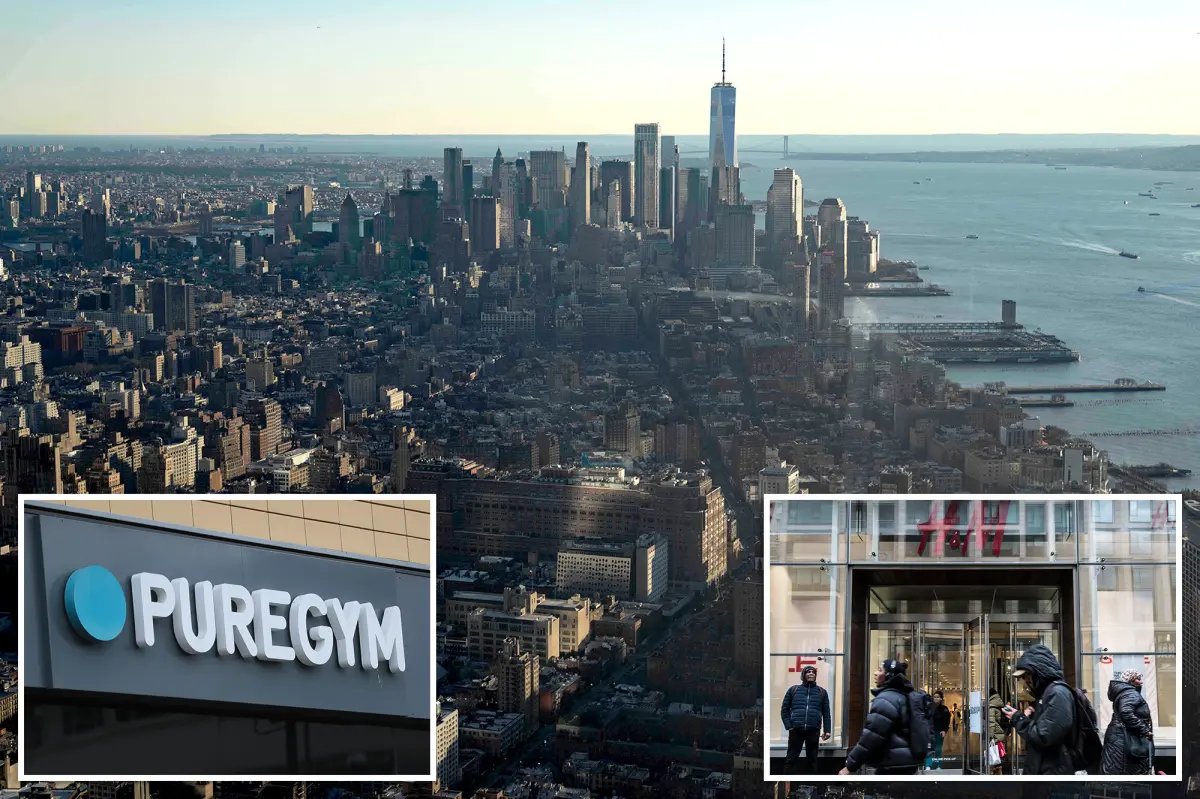
Both JLL and CBRE highlight nontraditional retail leases, such as food and fitness establishments, which have reportedly bolstered the market rather than traditional retail stores. Among major lease transactions in 2025, only a single actual retail store—Victoria’s Secret—renewed its lease, indicating a significant shift in what counts as ‘retail’ today.
Despite optimistic assessments from real estate executives, large vacancies persist, particularly on prominent streets such as Fifth Avenue and Sixth Avenue. The closure of 112 stores by eighteen national chains in New York City in 2025 further underscores the struggling retail landscape, leaving looming questions about its future viability.
Why this story matters: Challenges in the retail leasing market reflect broader economic trends and consumer behavior shifts.
Key takeaway: While some data suggests a revitalizing market, significant vacancies and closures indicate ongoing struggles in key areas.
Opposing viewpoint: Proponents argue that emerging nontraditional retail formats are revitalizing the market, suggesting a shift rather than a decline.