



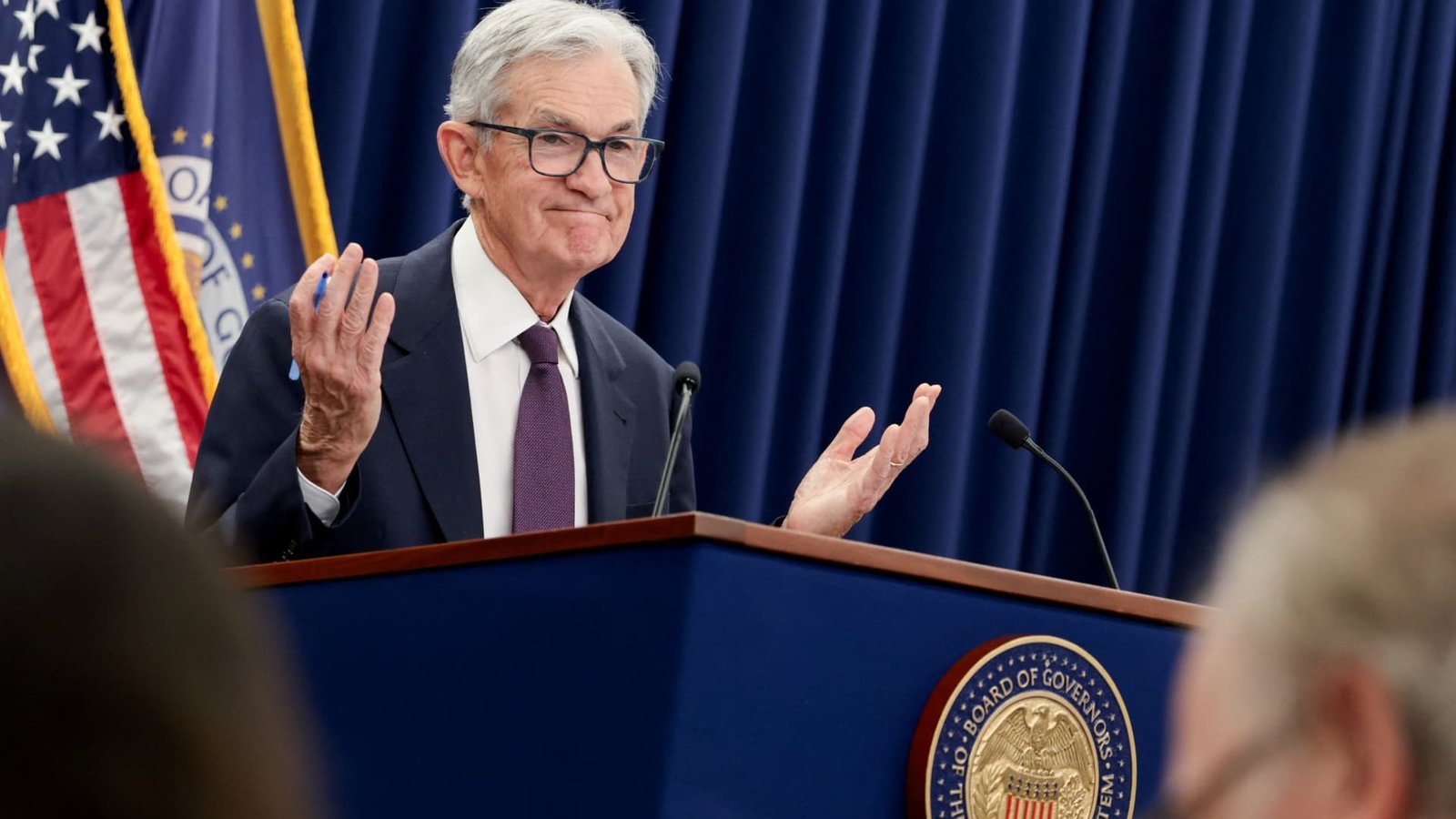
U.S. Federal Reserve Chair Jerome Powell addressed media following a recent Federal Open Market Committee (FOMC) meeting regarding interest rate policy amidst rising energy prices and inflation concerns. Recent increases in oil prices, surpassing $100 per barrel, have shifted market expectations for interest rate cuts, particularly in light of ongoing geopolitical tensions involving Iran.
Previously, traders anticipated a quarter percentage point rate reduction as early as June, with expectations for additional cuts in September. This outlook was rooted in expectations of a softening labor market and moderate inflation as the Fed prepared to introduce a new, dovish chair in May. However, the evolving geopolitical climate has altered these anticipations, prompting analysts at Goldman Sachs to revise their forecast. They now project that any rate cut may be pushed back to September, contingent on labor market trends.
In contrast, other market participants have shown greater skepticism, eliminating the September cut from expectations and forecasting just one potential rate decrease by December, with further easing unlikely until 2027 or even 2028. The situation remains fluid as the Fed awaits further inflation data from the Commerce Department. Economists forecast that core personal consumption expenditures (PCE) inflation rates could reflect a slight rise, indicating persistent inflation pressures, complicating the Fed’s decision-making on rate cuts.
Statements from former President Donald Trump further highlight the polarized views on monetary policy, as he expressed discontent with Powell’s approach, calling for immediate rate cuts. With the next FOMC meeting scheduled for March 18, analysts suggest the committee is likely to maintain the current rate.
Why this story matters: Concerns over inflation and energy prices can significantly influence economic policies and market stability.
Key takeaway: Current geopolitical tensions and rising energy costs have delayed expectations for Federal Reserve interest rate cuts.
Opposing viewpoint: Some economists argue that inflationary pressures are stabilizing, suggesting the Fed should be cautious in its approach to rate reductions.