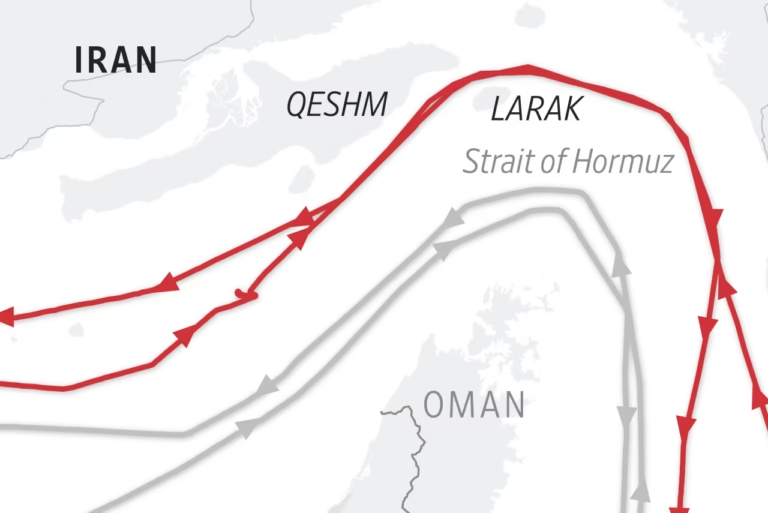


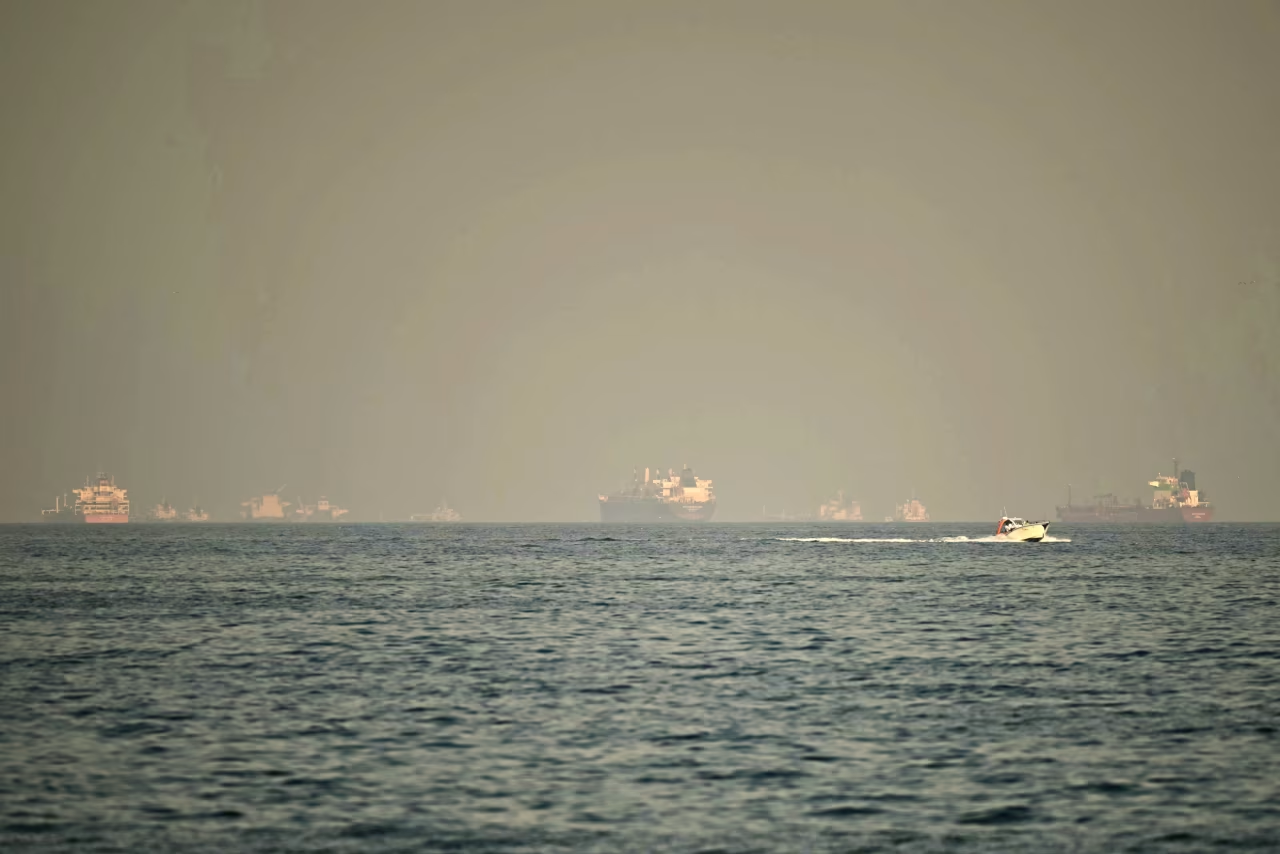
Recent military actions between Iran and its regional adversaries have intensified concerns over the security of oil tankers navigating the Strait of Hormuz. This crucial maritime passage, which connects the Persian Gulf to the Gulf of Oman, is a vital route for global oil transportation, with a significant portion of the world’s oil supply passing through it.
Incidents involving missile strikes and military engagements have escalated tensions, prompting speculation regarding Iran’s potential to disrupt shipping activities. The Strait of Hormuz has historically been a flashpoint for regional conflicts, and analysts warn that any interference could have serious implications for international oil markets and global energy prices.
The situation remains fluid, with stakeholders closely monitoring developments. Maritime security experts emphasize the need for enhanced protective measures for vessels operating in this strategically important area. Governments and shipping companies are weighing their responses to Iran’s actions, which could include alternative routes or increased naval patrols to deter potential threats.
As global interest in energy resources continues to grow, ensuring the safety and freedom of navigation in the Strait of Hormuz has become an essential focus for many nations, underlining the potential risks posed by escalating tensions in the region.
Why this story matters: Increased tension could lead to higher global oil prices and disrupt international shipping routes.
Key takeaway: Iran’s military actions raise alarms about the safety of oil transport through the Strait of Hormuz.
Opposing viewpoint: Some argue that Iran is unlikely to escalate to direct confrontation, as it would face severe international repercussions.