
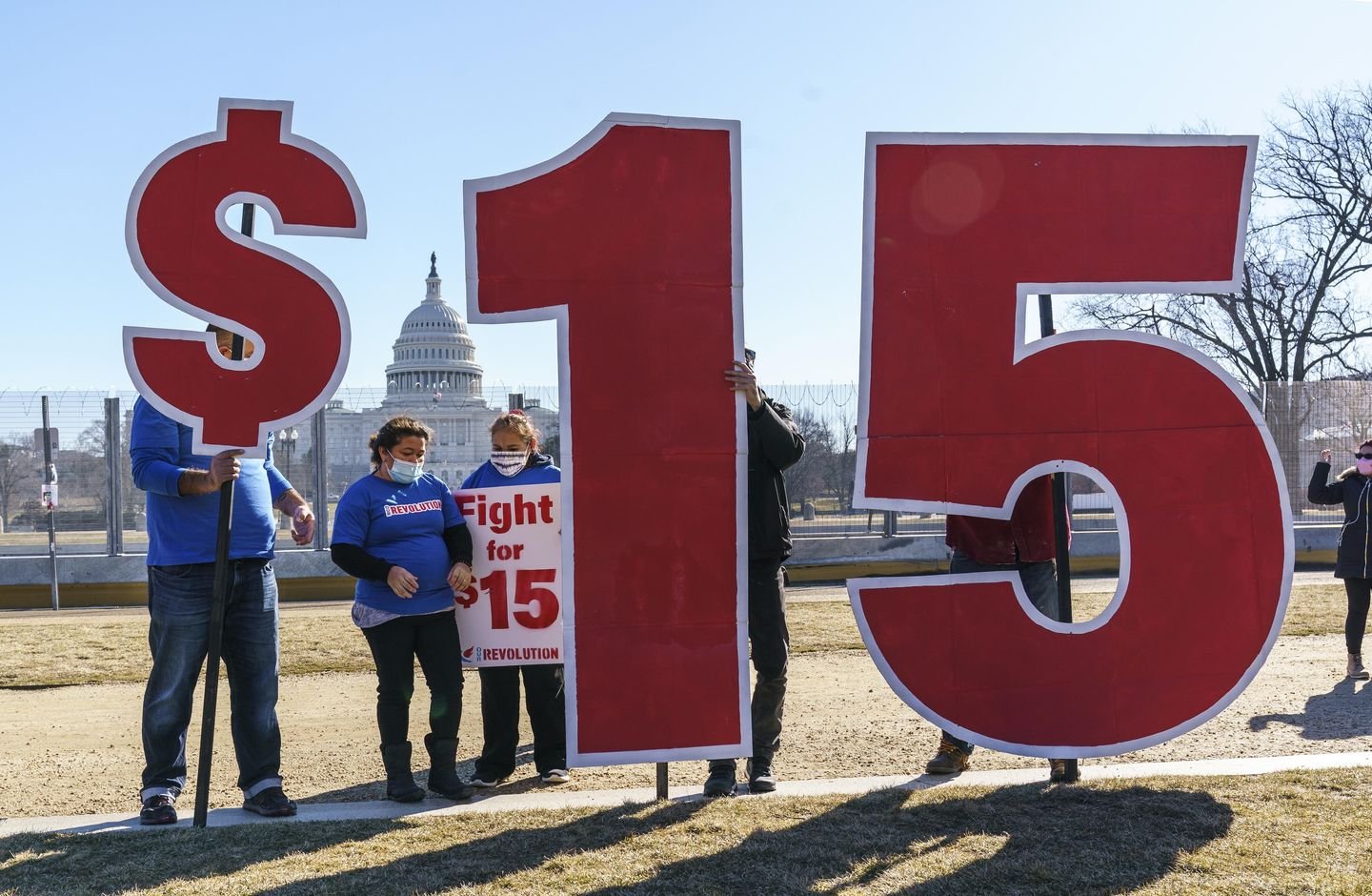
Hourly workers in 19 states are set to receive salary increases in their upcoming paychecks, following a trend of minimum wage hikes aimed at improving living standards. These adjustments, which take effect in various forms across states, are designed to help workers keep pace with the rising cost of living.
While many view the increases as a positive development for low-income workers, economists have raised concerns about the potential negative consequences. They caution that higher minimum wages could lead to job reductions and contribute to inflationary pressures in the economy. As companies face increased labor costs, some may respond by cutting jobs or reducing hours, especially in industries that are heavily reliant on hourly workers.
The changes in pay rates come amid broader discussions about economic equity and the necessity of ensuring that all workers earn a livable wage. Advocates for wage increases argue that they are necessary to reduce poverty and stimulate consumer spending, which can benefit the overall economy. However, critics argue that the short-term benefits of wage hikes may be outweighed by long-term employment effects and increased costs for consumers.
As this situation unfolds, the impact of these minimum wage increases on employment rates and inflation will be closely monitored.
Why this story matters: The wage increases affect thousands of workers, reflecting ongoing efforts to improve economic conditions for low-income individuals.
Key takeaway: Wage hikes may enhance financial security for workers but pose potential risks for job availability and inflation.
Opposing viewpoint: Some economists believe minimum wage increases can lead to job losses and higher consumer prices, challenging the sustainability of these wage boosts.