



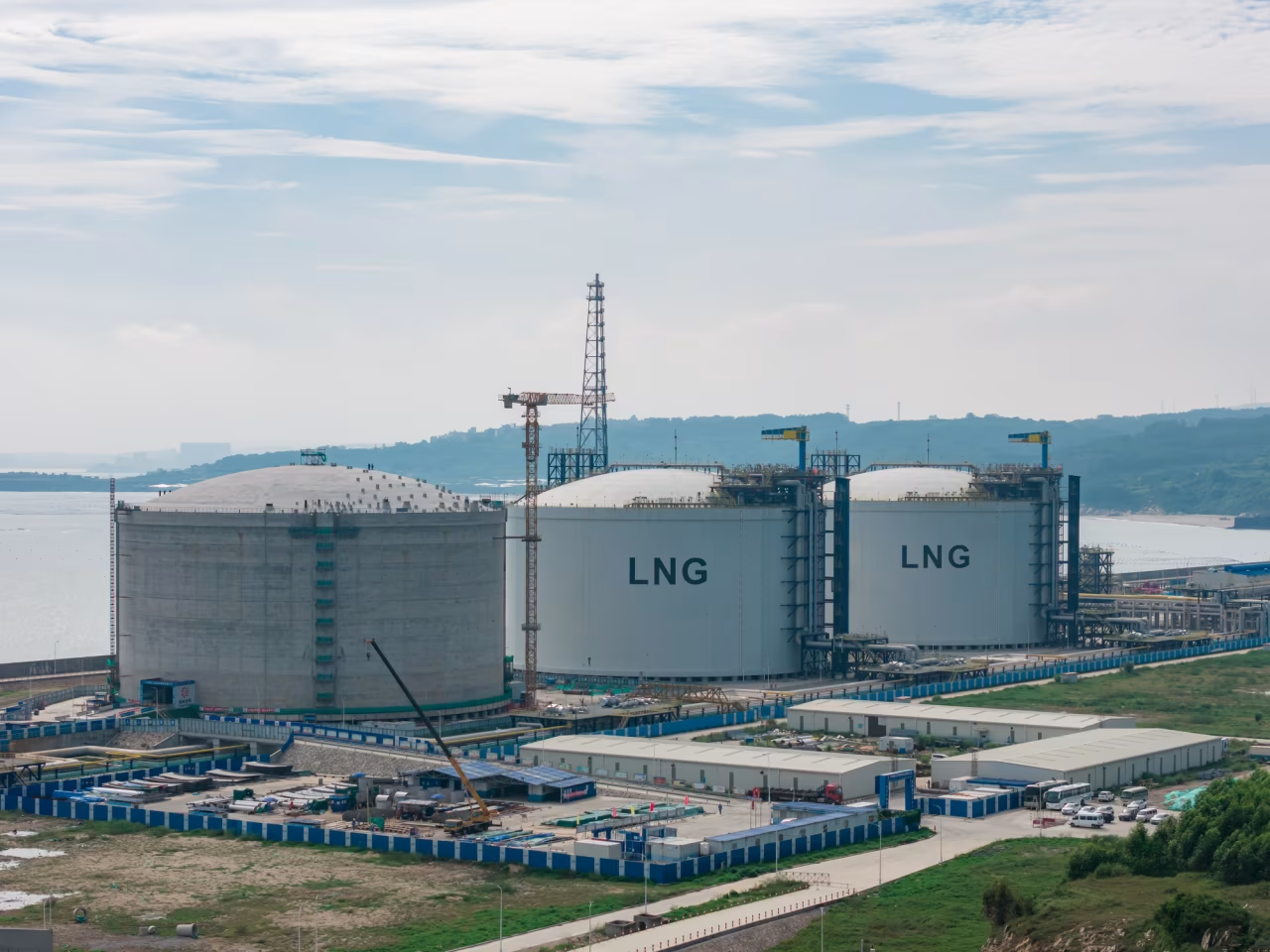
As the demand for liquefied natural gas (LNG) continues to rise, American households may soon find themselves bearing the financial burden of increased profits generated by fossil fuel companies. The surge in LNG exports has resulted in significant windfalls for these companies, primarily due to escalating global energy prices.
Experts are raising concerns that the financial benefits enjoyed by the fossil fuel sector may lead to higher energy costs for consumers in the United States. As companies prioritize export markets, domestic supply may face constraints, translating into increased prices for households relying on natural gas for heating, cooking, and other essential uses.
With the ongoing transition towards cleaner energy sources, some analysts argue this trend could undermine efforts to address climate change and promote renewable energy initiatives. Furthermore, the reliance on fossil fuels remains a contentious issue amid growing calls for environmental accountability and sustainability.
In this evolving landscape, American consumers are encouraged to stay informed about how shifting energy markets can impact their energy bills and the broader implications for energy policy and pricing.
- Why this story matters: It highlights the potential financial impact of LNG export profits on U.S. households.
- Key takeaway: Increased LNG exports may lead to higher domestic energy costs for consumers.
- Opposing viewpoint: Some argue that LNG exports can boost the U.S. economy and energy independence while enabling a gradual transition to cleaner energy.