


In response to stagnating sales volumes, several major U.S. packaged food companies are implementing price cuts to attract cost-conscious consumers. Firms like PepsiCo, Kraft Heinz, and General Mills are lowering prices after years of inflation have significantly impacted consumer purchasing habits. Over the past five years, grocery prices have risen by 26%, prompting consumers to adjust their spending.
During a recent consumer industry conference, analysts noted a shift among packaged food companies toward more aggressive pricing strategies. Max Gumport, an analyst at BNP Paribas, highlighted that many companies are betting on reduced prices to stimulate sales growth after substantial price hikes in 2021 and 2022, driven by raw material shortages and labor costs.
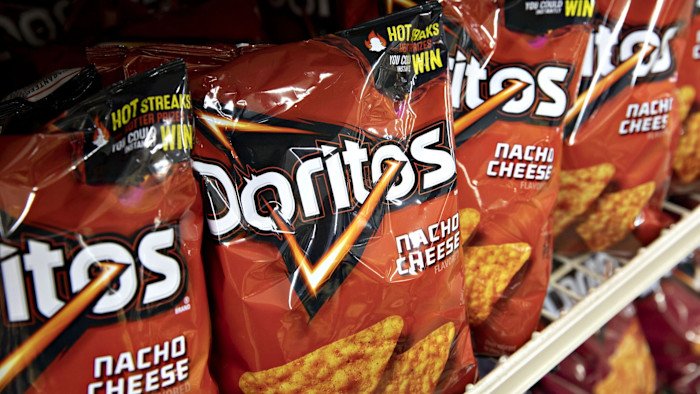
PepsiCo plans selective price reductions of up to 15% on certain snack products to counteract a 2% decline in North American sales last year. CEO Ramon Laguarta indicated that this decision was informed by consumer feedback. Kraft Heinz is also reducing prices on smaller packaging for about 40% of its products, while General Mills has extended its price cuts to include two-thirds of its North American portfolio.
Despite these efforts, the trend is not without risks; General Mills recently lowered its sales outlook, acknowledging that while price cuts may assist with volume recovery, they can also lead to reduced profitability. Additionally, although lower prices on packaged foods could alleviate some grocery inflation, many other food items, such as beef and coffee, continue to see significant price increases.
While some companies are successfully reverting prices to stimulate growth, others, like spice producer McCormick, are raising prices to offset new tariff costs, indicating a divided industry stance on pricing strategies.
Why this story matters:
- Highlights the changing dynamics in consumer food purchasing behavior amid rising inflation.
Key takeaway:
- Major food companies are cutting prices as a response to decreased sales volumes, while navigating the complexities of inflation and consumer preferences.
Opposing viewpoint:
- Some analysts warn that widespread price reductions could ultimately harm profit margins across the industry.