


Restaurant Brands International reported strong quarterly earnings and revenue that surpassed analysts’ expectations, driven by robust international growth. For the period ending December 31, the company announced adjusted earnings per share of 96 cents, slightly exceeding the expected 95 cents. Revenue reached $2.47 billion, up 7.4% compared to the previous year, also beating the anticipated $2.41 billion.
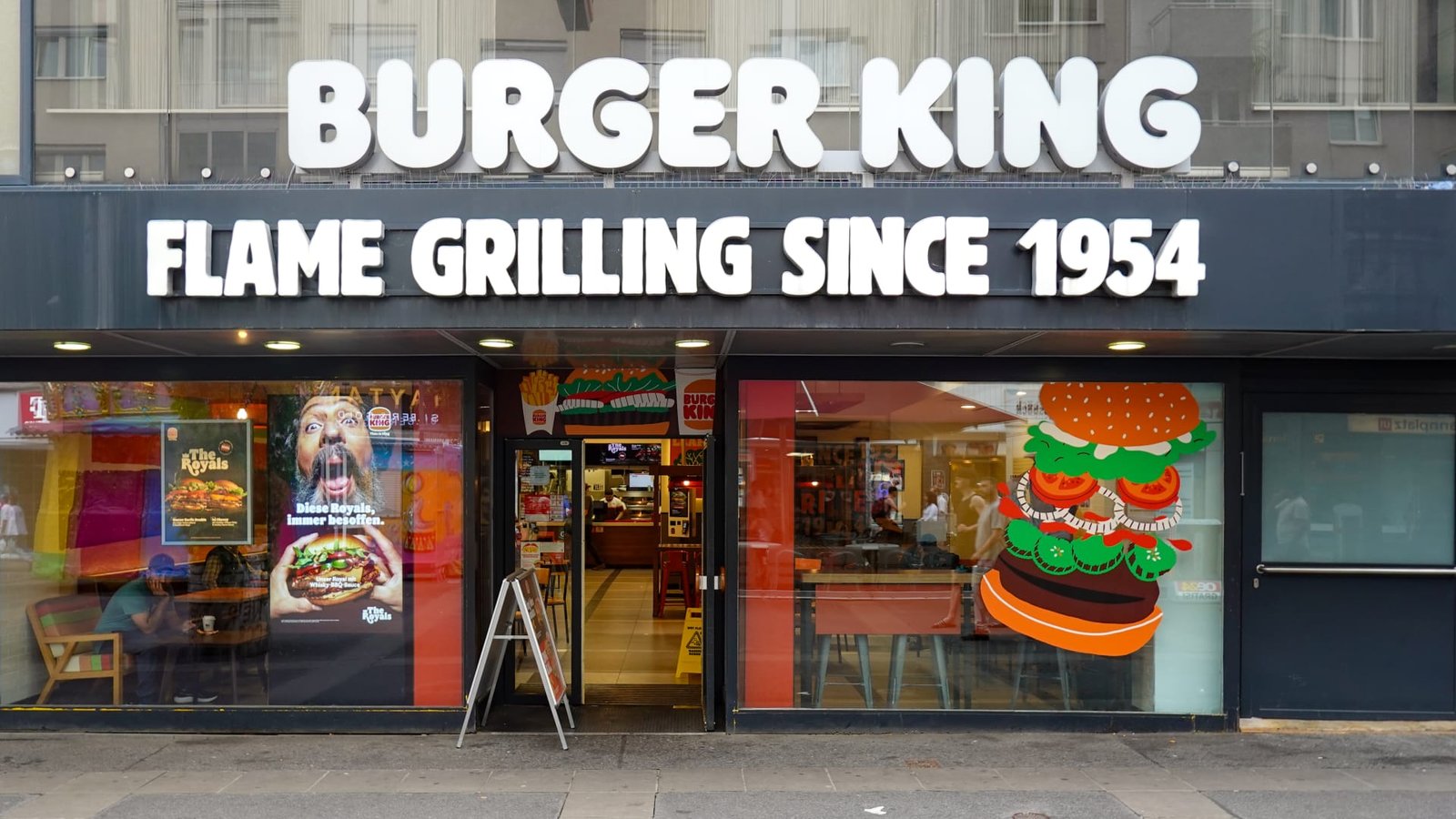
Despite these positive figures, executives acknowledged a slowdown in the remodeling of Burger King locations in the U.S. due to rising costs, indicating that the chain will not meet its target to modernize 85% of its domestic restaurants by 2028. As a result, shares dropped by 6% in afternoon trading. The company’s same-store sales increased by 3.1%, fueled largely by international markets, with the majority of growth coming from outside the U.S. and Canada, where same-store sales rose 6.1%.
Restaurant Brands has announced a joint venture for Burger King China, aimed at accelerating expansion in that market, with a Chinese asset manager holding an 83% stake. Tim Hortons reported a more modest same-store sales increase of 2.9%, falling short of analyst expectations of 3.8%. Burger King performed slightly better with a 2.7% increase in same-store sales, aided by targeted promotions. In contrast, Popeyes saw a 4.8% decline in same-store sales.
To address these challenges, the company has made leadership changes and is focusing on operational improvements, particularly for Popeyes. Plans to outline future growth strategies will be shared at an upcoming investor day in Miami on February 26.
Why this story matters:
- Indicates the challenges facing traditional fast-food chains in the U.S. market.
Key takeaway:
- International growth is pivotal for Restaurant Brands, while domestic performance, particularly for Burger King and Popeyes, remains a concern.
Opposing viewpoint:
- The focus on international expansion could detract from necessary improvements and revitalization efforts for struggling domestic brands.