
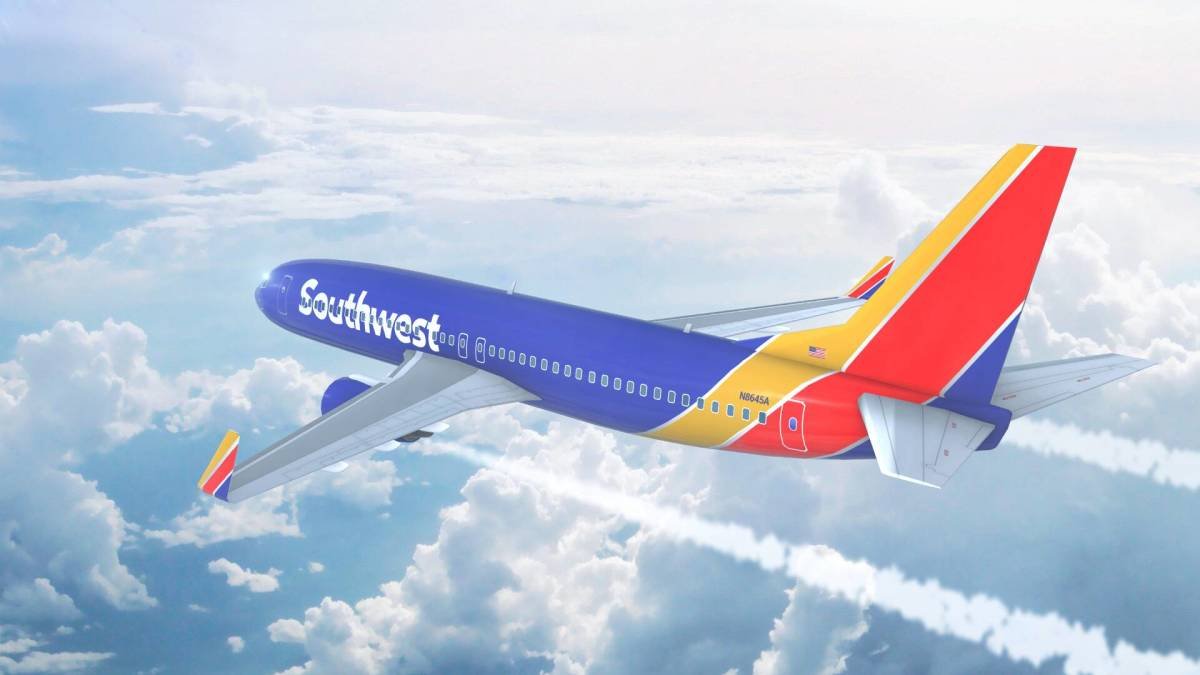
Southwest Airlines is set to implement significant changes to its boarding and seating policies as it transitions to assigned seating starting January 27, 2026. Historically, the airline distinguished itself with no fees for checked bags, a lack of assigned seats, and a unique boarding process using A, B, and C groups. However, this system led to concerns regarding the pre-boarding of passengers claiming to need assistance, alongside issues of seat-saving by early boarders.
Passengers often expressed frustration at seeing individuals who appeared to not require assistance board ahead of them, taking seats they paid extra to access. Southwest’s new assigned seating policy aims to eliminate these practices, ensuring that all passengers board in a structured manner without the opportunity for perceived seat-saving or abuse of boarding privileges.
Financially, the airline’s leadership stated that these changes are designed to bolster revenues. Southwest anticipates generating substantial income from added fees for seat assignments and extra legroom, aiming for over $1 billion in additional earnings by 2026. Despite initial challenges following the introduction of fees for checked bags, Southwest executives remain optimistic, citing profitable quarterly results and reaffirming positive earnings projections.
While some industry experts see these changes as a necessary evolution that could enhance customer experience and broaden the customer base, others voice concerns that they may compromise the airline’s long-established brand identity and customer-centric practices.
Why this story matters: Changes in Southwest Airlines’ policies signal a shift in customer service strategy and revenue generation in the airline industry.
Key takeaway: The shift to assigned seating addresses past issues and is geared towards enhancing profitability amidst competing pressures.
Opposing viewpoint: Critics argue that these changes may undermine Southwest’s unique selling proposition and diminish the overall passenger experience.