



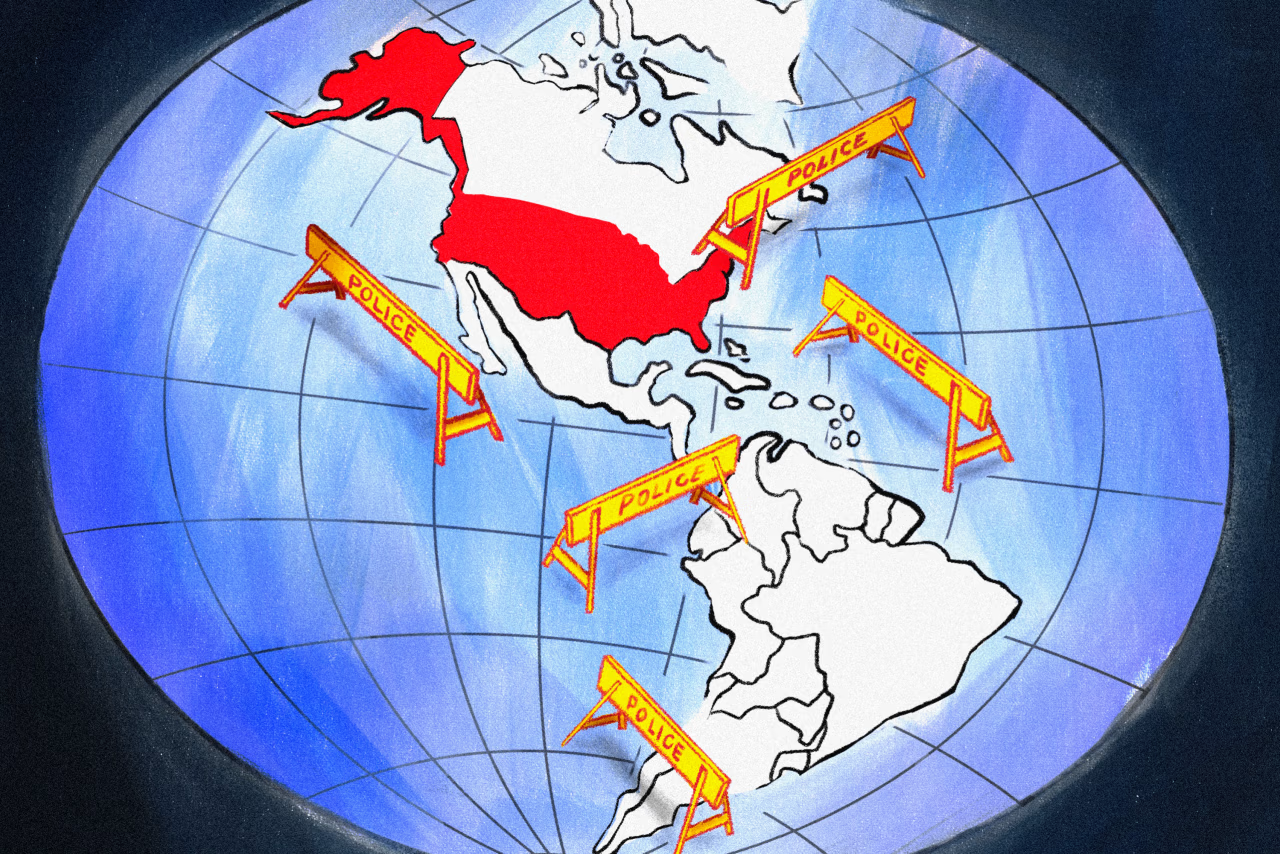
The recent decision to apprehend Venezuelan President Nicolás Maduro marks a significant turning point in U.S. foreign policy in Latin America. This action aligns with a broader strategy aimed at reinforcing U.S. influence within the Western Hemisphere. By targeting Maduro, the U.S. seeks to strengthen its stance against authoritarian regimes in the region, emphasizing a commitment to democratic governance and stability.
The U.S. has expressed its intention to maintain a leading role in Latin America, focusing on combating perceived threats to democracy and countering the influence of rival nations, such as Russia and China. This approach advocates for a proactive stance in diplomatic and economic engagements, aiming to establish lasting partnerships within allied nations.
Critics of this decision raise concerns regarding potential repercussions on regional stability and diplomatic relations. They argue that aggressive measures may exacerbate tensions rather than foster cooperation. This perspective highlights the delicate balance the U.S. must navigate as it pursues its strategic interests while addressing the socio-political complexities of Latin American countries.
The implications of this shift in policy could reshape alliances and alter the dynamics of international relations in the region, as countries respond to the U.S.’s assertive posture.
Why this story matters:
- A significant shift in U.S. foreign policy could influence the balance of power in Latin America.
Key takeaway:
- The U.S. aims to reaffirm its dominance in the Western Hemisphere by targeting authoritarian regimes and promoting democratic values.
Opposing viewpoint:
- Critics argue that these actions may destabilize the region and hinder diplomatic relations.